Emergency HVAC Repair in TacomaWashington
24/7 emergency AC and heating repair from certified local technicians in Tacoma, Washington.
Assess Your HVAC Emergency
Identify the severity of your issue and take the right action
Monitor & Schedule
- Weak or uneven airflow
- Unusual noises (buzzing, rattling)
- Thermostat not responding correctly
- Slight temperature inconsistency
Call Today
- No cooling or heating output
- System short-cycling repeatedly
- Strange smells from vents
- Water leaking from unit
Call Now — Emergency
- Gas smell near furnace
- Electrical burning smell
- Complete system failure
- Carbon monoxide alarm triggered
Why HVAC Emergencies Happen in Tacoma
Tacoma's climate puts extreme stress on HVAC systems. Understanding local conditions helps you prevent failures.

Photo by Lisha Riabinina on Unsplash
High humidity year-round (75-80% average) affects system performance
Mild wet winters require efficient heating without extreme cold capacity
Increasingly warm summers creating higher AC demand during heat events
Best Months
Avoid if Possible
- Heat pumps reduce electricity use for heating by 25-50% vs electric resistance
- Tacoma Power offers generous rebates for heat pump installation
- SEER 15+ recommended for AC efficiency
- Minimum HSPF 9.0 or HSPF2 7.5 for heat pump rebate eligibility
- Dehumidification systems help manage high humidity
The proximity to Puget Sound brings salt-laden air that accelerates corrosion on outdoor equipment. Rust spots, corroded connections, and flaking paint on condenser units are common problems for Tacoma residents, particularly those living in waterfront neighborhoods or the North End area near Commencement Bay. Investing in rust-resistant components and scheduling regular maintenance inspections helps protect equipment from premature deterioration.
Tacoma's high humidity promotes mold and allergen growth in ductwork, making indoor air quality a significant concern. Monthly filter changes during damp seasons, regular condensate drain line maintenance, and annual mold inspections are essential practices for maintaining healthy indoor air. Dehumidification systems integrated with HVAC equipment help manage moisture levels and improve comfort.
While winters are relatively mild compared to much of the country, proper winterization remains important. Fall furnace tune-ups scheduled in September or October prepare systems for the heating season. Carbon monoxide detector testing, thermostat accuracy verification, and weatherstripping assessments should be part of annual maintenance routines.
Summer heat events have become more frequent in recent years, driving increased demand for air conditioning in homes that previously relied only on heating. The climate remains ideal for heat pump systems, which efficiently provide both heating and cooling while qualifying for generous local utility rebates.
How Tacoma's Climate Affects Materials
Heat Pumps
Ideal for Tacoma's mild Pacific Northwest climate; can provide both heating and cooling efficiently
Ductless Mini- Splits
Perfect for older homes without ductwork; many Tacoma homes built before 1960
Central A C
Growing demand due to summer heat events; less critical than in hotter climates
Gas Furnaces
Reliable backup heating option; popular for homes with existing gas lines
Your Home Temperature Risk
When your HVAC fails in Tacoma, indoor temperatures can reach dangerous levels
In Tacoma's heat, a broken AC can push indoor temperatures past 100°F within hours. Heat stroke risk increases significantly — especially for children and elderly residents.
(855) 321-3346 — Get Emergency HelpTacoma's climate makes HVAC emergencies particularly challenging. Wet, cold winter days without heat create uncomfortable and potentially dangerous conditions, especially for elderly residents or young children. Summer heat events, which have become more frequent in recent years, turn homes without working air conditioning into sweltering spaces. The high humidity compounds discomfort and can affect those with respiratory conditions.
Knowing the signs of impending HVAC failure helps prevent some emergencies. But when your system stops working unexpectedly, having a trusted emergency contractor's number ready makes all the difference.
Several Tacoma contractors offer 24/7 emergency availability. Christianson's Heating & Cooling provides round-the-clock emergency repair with same-day service for urgent issues. Mercurio's Heating & Air Conditioning offers emergency HVAC, electrical, and plumbing services 24/7/365. These established companies have the experience and parts inventory to resolve most emergencies quickly.
While waiting for emergency service, take steps to protect your home. If pipes might freeze due to heating failure, open cabinet doors under sinks and let faucets drip slightly. For AC emergencies during heat events, close blinds, use fans, and stay hydrated. Document any visible damage or unusual conditions for the technician.
After emergency repairs, schedule a full system inspection to identify underlying issues. Emergency repairs address immediate problems but may not catch developing issues that could cause future breakdowns. A comprehensive evaluation helps prevent repeat emergencies and extends equipment lifespan.
Preventive maintenance remains the best defense against emergencies. Annual tune-ups catch worn components before they fail completely. Fall heating inspections in September-October and spring cooling checks in March-April keep systems running reliably when you need them most.
HVAC Systems We Repair in Tacoma
Heat pumps stand out as the premier choice for Tacoma's mild climate. These systems transfer heat rather than generating it, reducing electricity consumption for heating by 25-50% compared to electric resistance heating. The technology excels in moderate temperature ranges, making it perfectly suited for the Pacific Northwest where extreme cold is rare. Cold-climate heat pumps maintain reliable heating even during occasional temperature dips below freezing, and variable-speed models adjust output to match demand precisely, maximizing efficiency and comfort.
Ductless mini-split systems are particularly well-suited for Tacoma's housing stock. Many homes, especially historic Craftsman houses in the North End and older bungalows throughout the city, were built before 1960 without central ductwork. These systems eliminate the need for expensive duct installation while providing superior zone control. Each indoor unit operates independently, allowing homeowners to heat or cool only occupied spaces. Modern units operate remarkably quietly at 20-24 decibels, similar to a whisper, and achieve exceptional efficiency ratings.
Gas furnaces remain popular for homes with existing gas infrastructure and larger square footage where high heating capacity matters. High-efficiency models rated 90-95% AFUE or higher capture nearly all the energy from burned fuel, minimizing waste. Premium condensing furnaces extract additional heat from exhaust gases, pushing efficiency even higher. These systems typically last 15-20 years with proper maintenance and provide reliable warmth even during extended cold periods.
Central air conditioning has seen growing adoption as summer heat events become more frequent. For optimal performance in Tacoma's climate, look for systems with SEER ratings of 15-20. Higher efficiency models consume less electricity while providing better humidity control, addressing one of the region's persistent comfort challenges.
HVAC Repair Requirements in Tacoma
Homeowners should apply online through Tacoma's Accela permit portal at tacomapermits.org. The process involves preparing documentation, submitting the application, undergoing plan review, and scheduling inspections. Standard residential permits typically process within one to two weeks. For small-scale mechanical work, same-day review meetings with a plans examiner may be available, allowing permits to be issued more quickly.
All work must be performed by contractors licensed through the Washington State Department of Labor and Industries. Washington requires HVAC contractors to hold specialty electrical licenses, specifically the EL06A for full HVAC/refrigeration systems or EL06B for restricted work on smaller systems. These licenses require documented work experience, classroom instruction, and passing state examinations. Verify any contractor's license status through the L&I online verification tool at lni.wa.gov.
Electrical permits may be required for system upgrades involving panel work or new circuits. Post-installation inspections verify proper installation before final permit approval. Working with a Tacoma Power Participating Contractor streamlines the process, as these professionals understand local requirements and rebate program specifications.
Choosing a HVAC emergency technician in Tacoma
Verify contractor licensing through the Washington State Department of Labor and Industries. All HVAC contractors must hold valid specialty contractor licenses and maintain bonding and insurance. Look for NATE (North American Technician Excellence) certification, which indicates technicians have passed rigorous testing on HVAC systems.
Tacoma Power Participating Contractor designation matters significantly for rebate eligibility. These contractors are trained on utility rebate programs and ensure installations meet technical requirements for incentives. Companies like Kliemann Brothers, Ranger Heating & Cooling, and Christianson's Heating & Cooling hold this designation and understand local rebate processes.
Get at least three bids before committing to any installation. Tacoma contractors like Mercurio's Heating & Air Conditioning and Pacific Heating & Cooling offer free estimates. Compare not just proposals but also warranties, equipment recommendations, and installation timelines. Most furnace or AC installations complete in a single day, while complex systems may require 2-3 days.
Ask about experience with Tacoma neighborhoods. North End historic homes present different challenges than new construction in University Place. Waterfront properties require enhanced corrosion protection. A contractor familiar with your specific area provides better recommendations and installation outcomes.
Local Insights
Waterfront properties along Commencement Bay and Ruston Way face the most aggressive salt air exposure in the region. HVAC equipment in these areas requires premium corrosion-resistant coatings and more frequent maintenance inspections to prevent premature deterioration. Humidity control becomes especially critical in waterfront homes, where the combination of marine air and Puget Sound proximity can drive indoor moisture levels to uncomfortable extremes without proper dehumidification.
The Stadium District and downtown core present unique challenges with space-constrained older buildings, multi-unit coordination requirements, and historic preservation considerations that limit equipment placement options. South Tacoma offers a more straightforward mix of residential and light commercial properties with standard installation requirements, while the University Place area features newer construction built to modern energy codes with systems already designed for contemporary HVAC equipment compatibility.
Don't wait for small problems to become emergencies. Strange noises, inconsistent temperatures, and unusual system behavior often signal developing issues. Scheduling annual maintenance in fall for heating and spring for cooling catches problems before they cause system failures.
Protect your family's comfort by saving emergency contractor numbers now, before you need them. Tacoma's reliable HVAC professionals are ready to respond when systems fail, day or night.
Verified HVAC technicians
Certified emergency technicians serving Tacoma, Washington. Available 24/7 for AC and heating emergencies.
Kliemann Brothers Heating and Air Conditioning
Located in Tacoma area, known for quality installations
Mercurio's Heating & Air Conditioning
4.8 · 250 reviews
Christianson's Heating & Cooling
4.8 · 200 reviews
Ranger Heating & Cooling
4.8 · 165 reviews
Pacific Heating & Cooling
4.7 · 180 reviews
Rainier Heating & Cooling
4.7 · 72 reviews
+ 1 more HVAC technicians
More HVAC technicians in Tacoma
2 Sons Plumbing, Septic, Electric, Heating & Air Tacoma
Full-service home contractor in downtown Tacoma
Ready to Get Started?
Connect with a licensed HVAC emergency technician in Tacoma — available 24/7 for emergencies.
(855) 321-3346 — Emergency ServiceQuick Troubleshooting Guide
Try these steps before calling. If they don't work, we're here 24/7.
Check your thermostat settings
Make sure it's set to the correct mode (heat/cool) and the temperature is set correctly.
If this doesn't work ↓
Inspect your air filter
A clogged filter can restrict airflow and cause your system to overheat or freeze up.
If this doesn't work ↓
Check the circuit breaker
A tripped breaker can cut power to your HVAC system. Reset it and see if the system restarts.
If this doesn't work ↓
Check the outdoor unit
Make sure the outdoor unit is clear of debris and the fan is spinning when the system runs.
Still not working? Call a pro.
(855) 321-3346 — Emergency ServiceComplete Tacoma Emergency HVAC Repair Guide
Everything you need to know about emergency hvac repair in Tacoma. Expand any section for details.
Interior Signs
- Inconsistent temperatures between rooms
- Higher than normal energy bills
- Poor air circulation or weak airflow
- Excessive humidity or dryness
- Strange odors when system runs
- Visible mold around vents or indoor units
- Thermostat malfunctions
Exterior Signs
- Rust spots on outdoor condenser units
- Corroded connections and fittings
- Flaking paint on equipment cabinets
- Water stains indicating seal failures
- Unusual noises from outdoor unit
- Ice buildup on AC unit
25% Rule: Repair may be best for minor issues, but replacement is smarter if your system is over 15 years old, inefficient, facing major component failures, or requiring service more than twice per year. Consider replacement when modern rebates can significantly offset the investment.
Tacoma at a Glance
Local climate conditions and neighborhoods where HVAC emergencies are most common
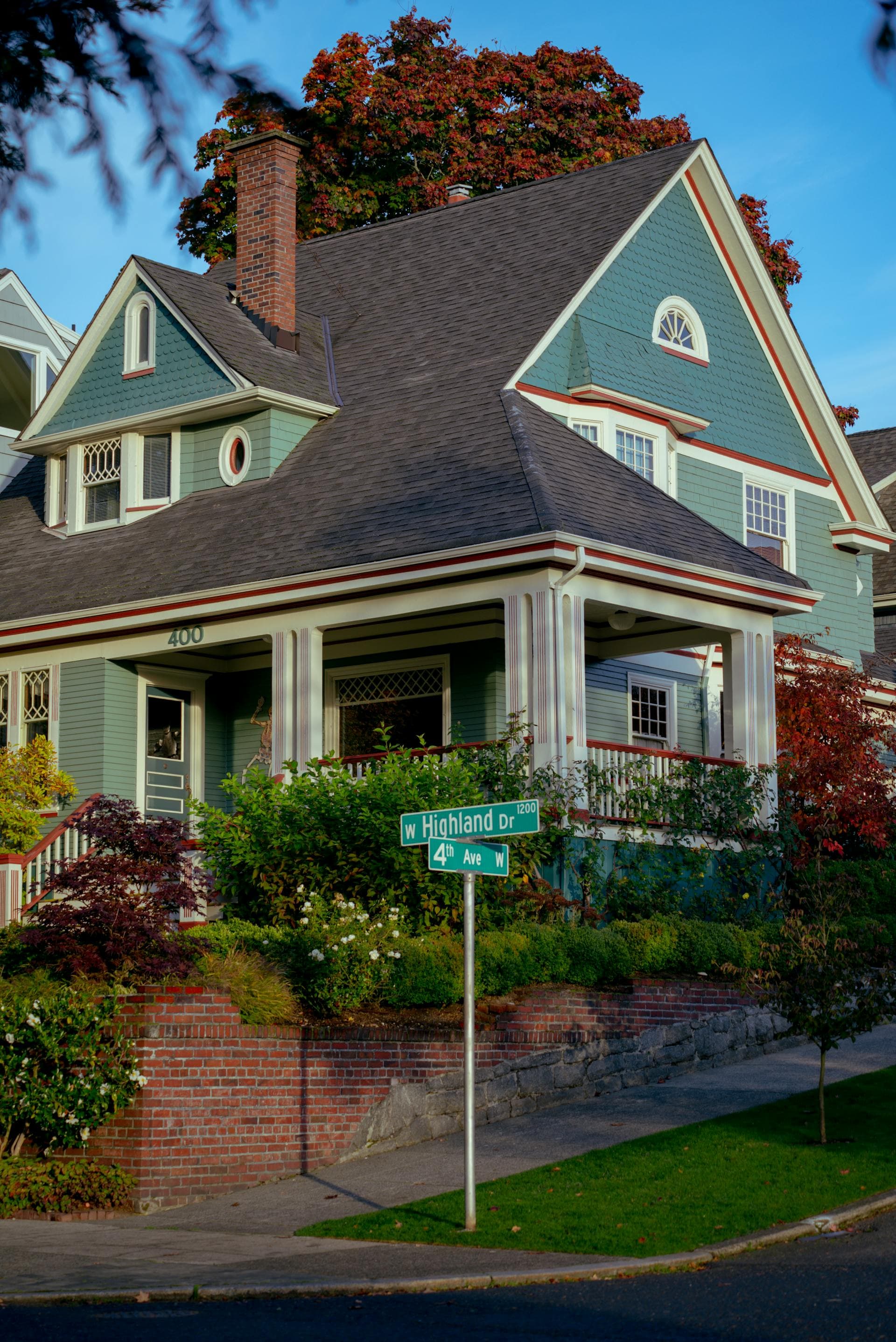
North End
Historic Craftsman style home in Seattle neighborhood with traditional architecture
Photo by Maksim Romashkin on Pexels
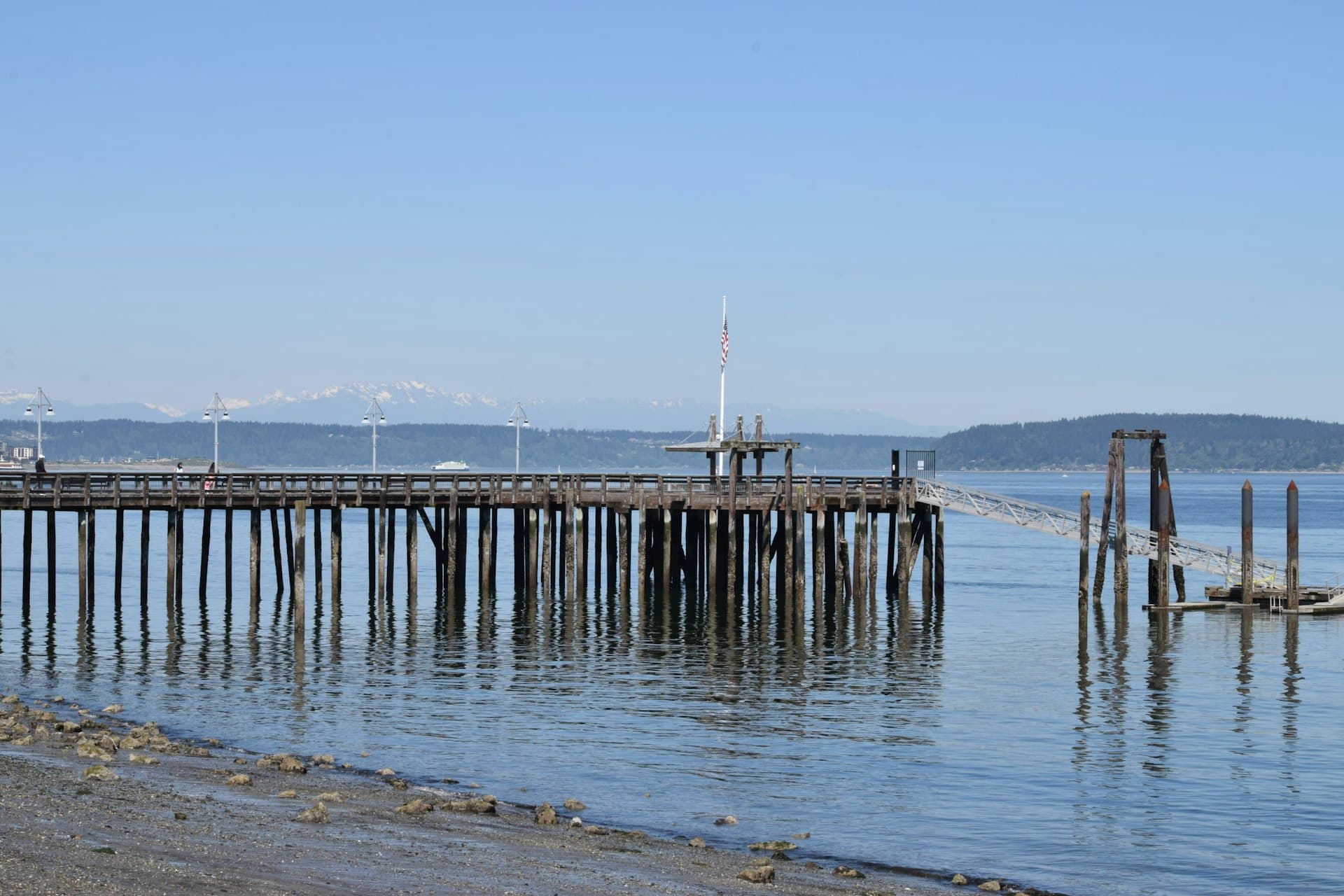
Waterfront Properties
Tacoma waterfront pier on Puget Sound with Olympic Mountains in background
Photo by fr0ggy5 on Unsplash
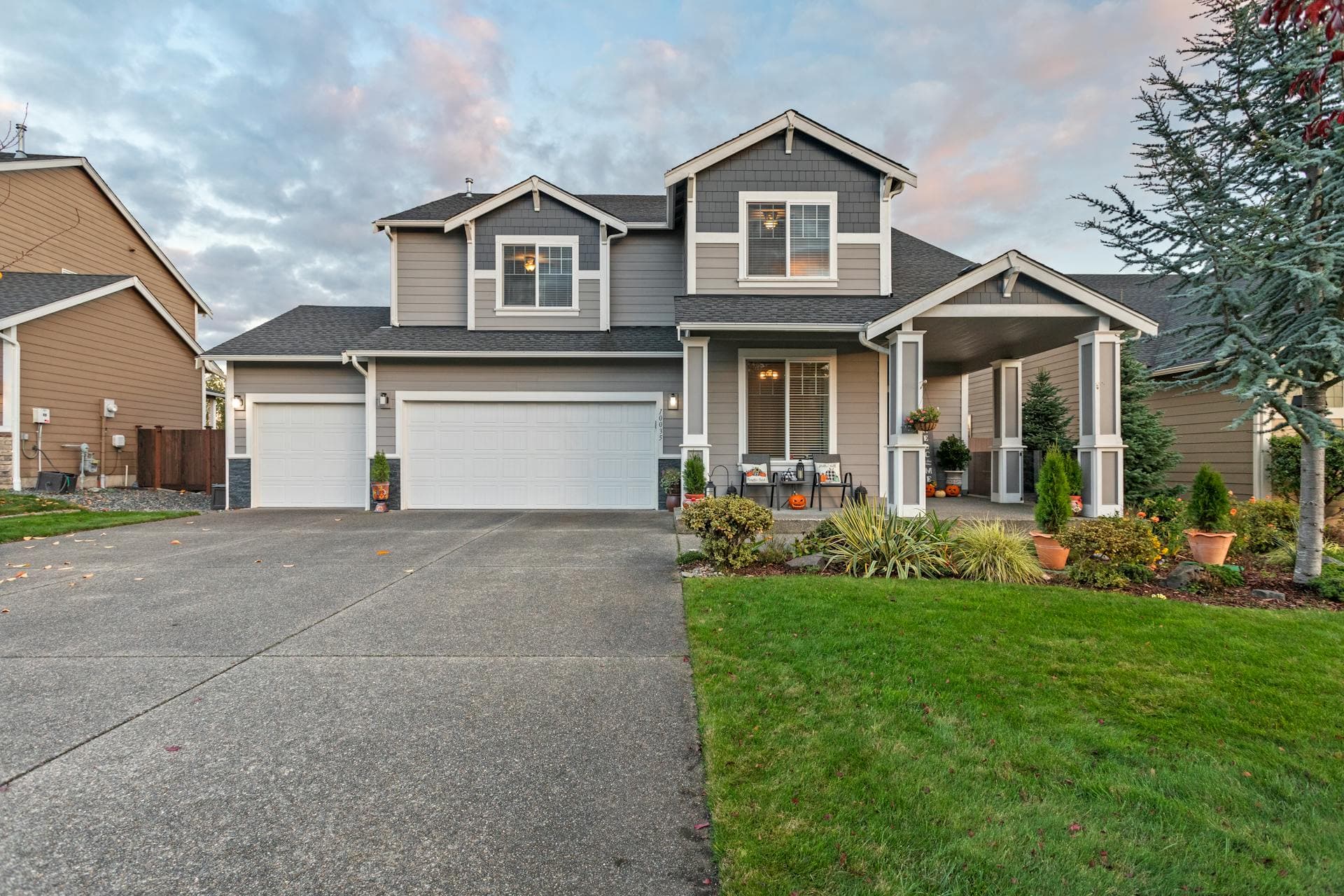
Residential Area
Modern two-story Washington state home with garage and landscaped yard
Photo by Spencer Lee Eiseman on Pexels
Local Climate
Pacific Northwest coastal scene with driftwood beach and evergreen forest under overcast sky
Photo by Lisha Riabinina on Unsplash

Local Landmark
Mount Rainier at sunset with snow-covered peak glowing pink and blue
Photo by Caleb Riston on Unsplash
Frequently Asked Questions
Common questions about emergency HVAC repair in Tacoma, Washington
Still have questions? Call our 24/7 emergency line.
Call (855) 321-3346More Cities in Washington
Emergency HVAC repair in nearby WA cities
Need Emergency HVAC Repair?
Call now for 24/7 emergency AC and heating repair in Tacoma, Washington. Licensed, insured professionals available around the clock.
(855) 321-3346 — Emergency Service