Emergency HVAC Repair in SeattleWashington
24/7 emergency AC and heating repair from certified local technicians in Seattle, Washington.
Assess Your HVAC Emergency
Identify the severity of your issue and take the right action
Monitor & Schedule
- Weak or uneven airflow
- Unusual noises (buzzing, rattling)
- Thermostat not responding correctly
- Slight temperature inconsistency
Call Today
- No cooling or heating output
- System short-cycling repeatedly
- Strange smells from vents
- Water leaking from unit
Call Now — Emergency
- Gas smell near furnace
- Electrical burning smell
- Complete system failure
- Carbon monoxide alarm triggered
Why HVAC Emergencies Happen in Seattle
Seattle's climate puts extreme stress on HVAC systems. Understanding local conditions helps you prevent failures.
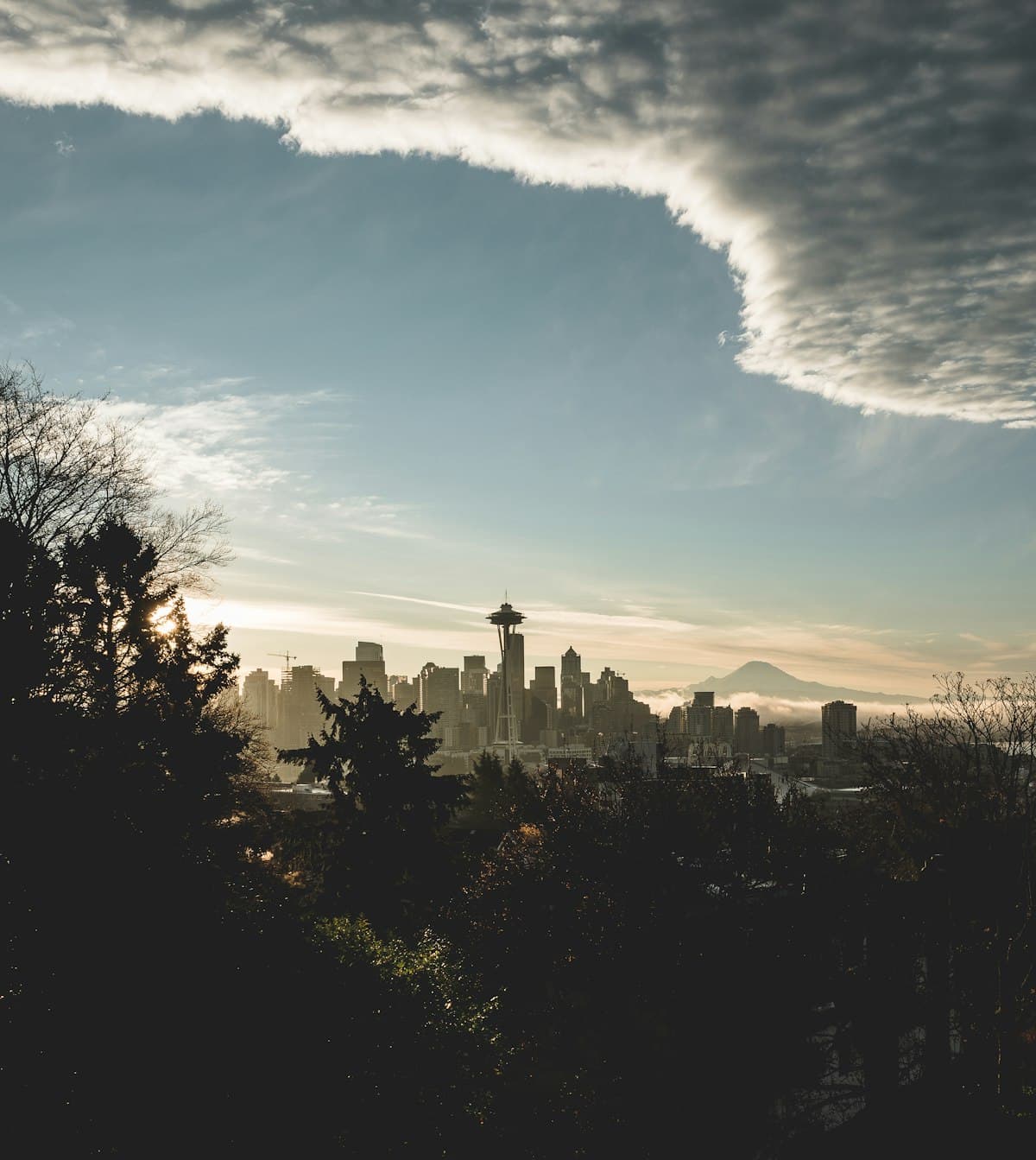
Photo by Alex Gorey on Unsplash
Mild but damp winters requiring consistent heating (November-March)
Cool, rainy weather for 8+ months creating humidity control needs
Occasional heat domes and increasingly warm summers (June-September)
Best Months
Avoid if Possible
- Heat pumps deliver 3x the energy they consume
- Ductless systems avoid 25-30% heat loss from ductwork
- Seattle's mild climate allows heat pumps to operate at peak efficiency
- City pushing electrification - oil phase-out by 2030
- PSE and Seattle City Light offer substantial rebates for efficient systems
The rainy season dominates eight or more months of the year, creating significant indoor humidity that requires proper ventilation and climate control. This persistent moisture can lead to condensation on windows, musty odors, and even mold growth if HVAC systems cannot adequately manage humidity levels. Modern heat pumps and ductless mini-splits excel at dehumidification while heating, making them ideal for Seattle's damp conditions.
Perhaps most significantly, Seattle's summers have changed dramatically in recent years. The infamous 2021 heat dome that sent temperatures soaring above 100 degrees Fahrenheit shocked residents accustomed to mild summers. These extreme heat events are becoming more frequent, transforming air conditioning from a luxury to a necessity for Seattle homeowners. The combination of increasing summer heat and long heating seasons makes dual-function heat pump systems the clear winner for year-round comfort.
For HVAC planning purposes, spring and fall offer the best installation windows. April, May, September, and October provide mild temperatures that allow contractors to work efficiently without emergency backlogs. Avoid scheduling installations during December and January when emergency heating calls surge, or July and August when cooling emergencies spike during heat events.
How Seattle's Climate Affects Materials
Heat Pumps
Ideal for Seattle - efficient in mild temperatures, handles both heating and cooling
Ductless Mini- Splits
Excellent for older homes without ductwork; handles humidity well
Gas Furnaces
Reliable for coldest days but higher operating costs than heat pumps
Central A C
Increasingly necessary due to heat dome events; can be paired with furnace
Your Home Temperature Risk
When your HVAC fails in Seattle, indoor temperatures can reach dangerous levels
In Seattle's heat, a broken AC can push indoor temperatures past 100°F within hours. Heat stroke risk increases significantly — especially for children and elderly residents.
(855) 321-3346 — Get Emergency HelpEmergency HVAC situations demand immediate action. Whether you are dealing with a furnace that will not ignite, a heat pump blowing cold air, strange burning smells from your system, or complete system failure, knowing what to do and who to call can make the difference between a quick fix and an extended ordeal. Seattle has several contractors offering 24/7 emergency service, including Greenwood Heating with over 100 years of local experience.
The key is recognizing when you have a true emergency requiring immediate professional attention versus a situation that can wait for regular business hours. Understanding the warning signs and having a plan in place before emergencies strike puts you in control when your comfort and safety are on the line.
While waiting for a technician, take steps to protect yourself and your home. If heating has failed, close off unused rooms, use space heaters safely (never leave unattended), gather household members in one warm room, and check that your thermostat has power and is set correctly. If your system is making unusual noises or producing strange smells, turn it off at the thermostat and breaker to prevent further damage.
Several Seattle HVAC contractors offer round-the-clock emergency service. Greenwood Heating provides 24-hour emergency response at (206) 784-1818, with on-call technicians responding to after-hours calls. Their Club Membership program guarantees service within 24 hours. Northwest Mechanical, Day & Nite, and other established contractors also maintain emergency service capabilities.
Prevent emergencies through regular maintenance. Annual tune-ups identify worn components before they fail catastrophically. Replace air filters monthly during heavy-use seasons. Keep outdoor heat pump units clear of debris and snow. Consider a maintenance agreement that includes priority emergency service.
For older systems showing signs of decline, emergency breakdown may signal it is time for replacement rather than repair. If your system is over 15 years old or you have faced multiple repair calls in recent years, an emergency failure might be the push needed to invest in a new, reliable heat pump system with full warranty protection.
HVAC Systems We Repair in Seattle
Ductless mini-split systems represent the ideal solution for Seattle's abundant older homes. Many craftsman-era houses, mid-century ranches, and older apartments lack existing ductwork, making traditional central systems impractical without major renovation. Mini-splits require only a small hole for refrigerant lines, avoiding the expense and disruption of ductwork installation. Premium brands like Mitsubishi, Daikin, and LG offer whisper-quiet operation and precise zone control, allowing homeowners to heat or cool individual rooms based on occupancy and preference.
High-efficiency gas furnaces remain relevant as backup heating options, particularly in hybrid configurations paired with heat pumps. Units with 90 percent or higher AFUE ratings ensure minimal energy waste during the coldest periods when supplemental heating provides added comfort. However, Seattle's electrification push and the phase-out of oil heating by 2030 indicate the city's clear preference for electric heat pump technology moving forward.
Oil heating systems should be avoided entirely, and homeowners with existing oil heat should prioritize conversion. The City of Seattle offers substantial rebates through the Clean Heat Program specifically to accelerate oil-to-heat-pump conversions. Electric baseboard heaters, while common in older apartments, are highly inefficient compared to heat pumps and represent strong candidates for replacement with modern ductless systems.
HVAC Repair Requirements in Seattle
You can apply for mechanical permits through the Seattle Services Portal, which handles equipment permits for boilers, refrigeration, and HVAC systems. The online system streamlines the application process and allows tracking of permit status. More complex projects involving structural modifications or new ductwork installations may require additional plan review time of two to four weeks.
Most reputable HVAC contractors handle the entire permit process as part of their service. They coordinate with SDCI, schedule required inspections, and ensure your installation meets all Seattle building codes. When getting quotes, confirm that permit handling is included in the contractor's scope of work. Attempting a permit-free installation risks fines, insurance complications, and problems when selling your home. Professional contractors understand that proper permitting protects both the homeowner and their reputation.
Choosing a HVAC emergency technician in Seattle
Seattle's top-rated HVAC contractors have established strong reputations over decades of service. CM Heating leads with a 4.9-star rating and over 4,600 Google reviews, specializing in American Standard and Daikin systems. Greenwood Heating has served Seattle since 1921, offering 24-hour emergency service and deep expertise with older Seattle homes. Evergreen State Heat & AC, founded in 1968, is a Trane and Mitsubishi Diamond Contractor known for custom system design.
When evaluating contractors, look for NATE certification, authorized dealer status for major brands, and A+ BBB ratings. Request detailed written estimates that itemize equipment, labor, permits, and any additional work. Be wary of quotes significantly below competitors, as this often indicates corner-cutting or bait-and-switch tactics.
Critically, ensure your contractor understands Seattle's rebate programs. Knowledgeable contractors will help you navigate PSE rebates, Seattle City Light incentives, the Clean Heat Program, and federal tax credits to maximize your savings. A good contractor can help you stack multiple rebates for qualifying heat pump installations.
Local Insights
Queen Anne's stately Victorian and Craftsman homes often still run on oil heat, making this neighborhood a prime target for the city's Clean Heat Program that offers substantial rebates for oil-to-electric conversions. The hilly terrain and older infrastructure mean HVAC contractors familiar with historic home challenges are particularly valuable in this area. West Seattle's single-family homes tend to have more conventional full HVAC systems, though the neighborhood's relative isolation means residents prioritize contractors who respond quickly to emergency calls.
On the Eastside, Bellevue's newer construction typically features central heat pump systems designed from the ground up for efficiency. Meanwhile, Fremont and Wallingford remain bastions of classic Seattle Craftsman architecture, where mini-split installations preserve the character of these beloved homes while delivering modern comfort. Throughout all these neighborhoods, Seattle's persistent moisture and increasingly intense summer heat make proper humidity control and dual heating-cooling capability essential considerations for any HVAC project.
Program emergency numbers into your phone now: Greenwood Heating at (206) 784-1818, or your preferred local contractor. If you experience a true emergency with gas odors or suspected carbon monoxide, evacuate first and call 911 or your gas utility. For urgent but non-life-threatening HVAC failures, call for emergency service immediately. Seattle's reputable contractors understand that your comfort cannot wait, and they are prepared to respond when you need them most.
Verified HVAC technicians
Certified emergency technicians serving Seattle, Washington. Available 24/7 for AC and heating emergencies.
CM Heating (CM Air Pros LLC)
Top Snohomish County PUD heat pump sales company. Sold to Air Pros USA in 2022.
Evergreen State Heat & AC
4.9 · 419 reviews
Seatown Electric
4.8 · 4672 reviews
BelRed Heating & Cooling
4.8 · 2941 reviews
Greenwood Heating & Home Services
4.7 · 1289 reviews
Brennan Heating
4.6 · 1834 reviews
+ 2 more HVAC technicians
More HVAC technicians in Seattle
Home Comfort Alliance
Founded 1977. Major Costco dealer. A+ BBB rating with 0 complaints.
Glendale Heating
Founded 1938. A+ BBB with no complaints. Originally coal & oil delivery.
Ready to Get Started?
Connect with a licensed HVAC emergency technician in Seattle — available 24/7 for emergencies.
(855) 321-3346 — Emergency ServiceQuick Troubleshooting Guide
Try these steps before calling. If they don't work, we're here 24/7.
Check your thermostat settings
Make sure it's set to the correct mode (heat/cool) and the temperature is set correctly.
If this doesn't work ↓
Inspect your air filter
A clogged filter can restrict airflow and cause your system to overheat or freeze up.
If this doesn't work ↓
Check the circuit breaker
A tripped breaker can cut power to your HVAC system. Reset it and see if the system restarts.
If this doesn't work ↓
Check the outdoor unit
Make sure the outdoor unit is clear of debris and the fan is spinning when the system runs.
Still not working? Call a pro.
(855) 321-3346 — Emergency ServiceComplete Seattle Emergency HVAC Repair Guide
Everything you need to know about emergency hvac repair in Seattle. Expand any section for details.
Interior Signs
- Uneven temperatures between rooms
- Excessive humidity or condensation on windows
- Strange odors when system runs
- Poor air quality or increased dust
- Rising energy bills despite normal usage
- System runs constantly without reaching set temperature
Exterior Signs
- Unusual noises from outdoor unit (grinding, squealing, banging)
- Ice buildup on heat pump in winter
- Visible rust or corrosion on equipment
- Refrigerant leaks around outdoor unit
- Outdoor unit fan not spinning properly
25% Rule: If your system is over 15 years old or repair frequency is increasing, replacement is typically more practical. For oil systems, conversion to heat pump is strongly recommended given available rebates and the city's 2030 oil phase-out goal.
Seattle at a Glance
Local climate conditions and neighborhoods where HVAC emergencies are most common
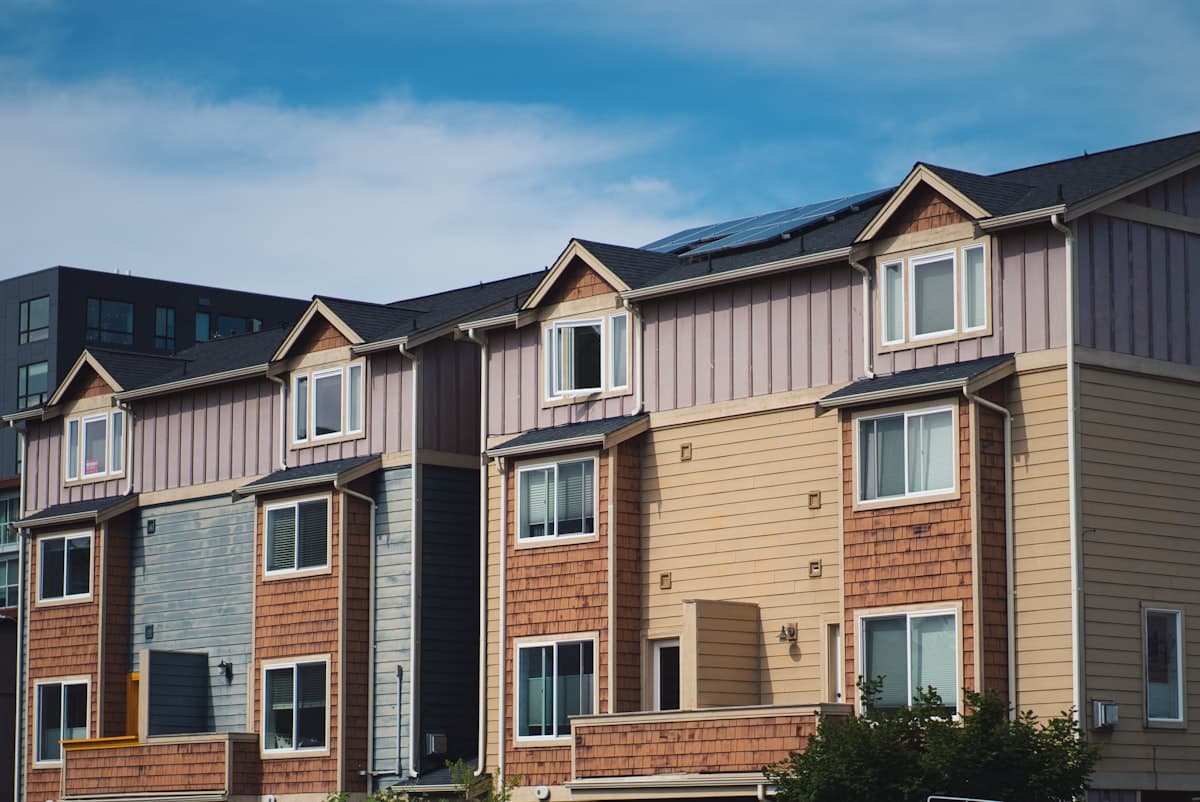
Ballard
Modern townhomes in Seattle Ballard neighborhood with cedar shingle siding
Photo by Doctor Tinieblas on Unsplash
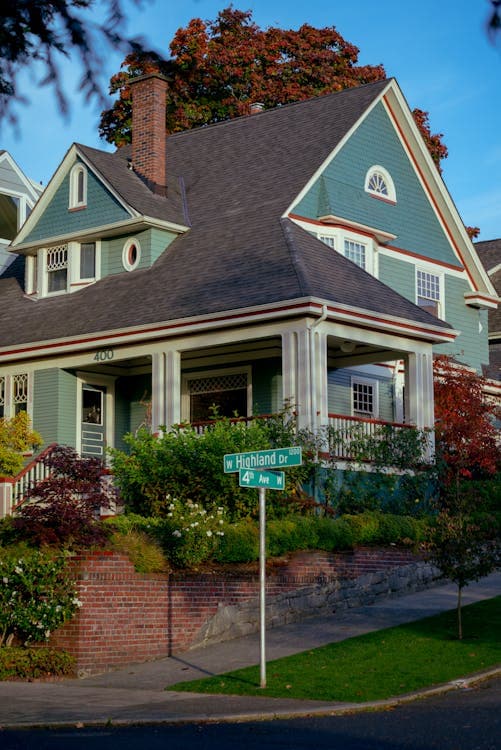
Queen Anne
Classic Seattle Craftsman home on West Highland Drive
Photo by Maksim Romashkin on Pexels
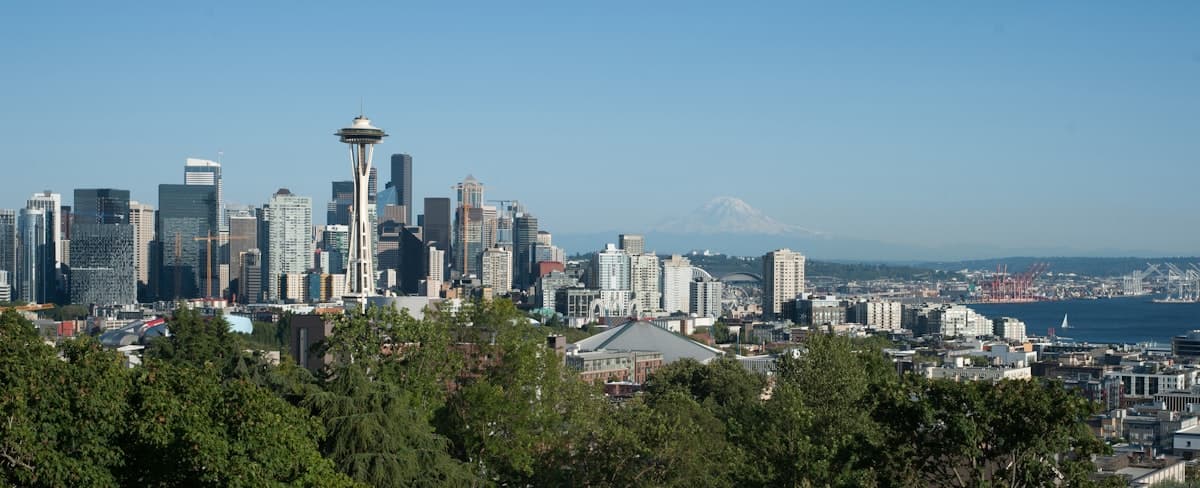
Residential Area
Panoramic view of Seattle skyline with residential neighborhoods and Puget Sound
Photo by bill wegener on Unsplash
Local Climate
Seattle skyline with dramatic Pacific Northwest clouds and Mount Rainier
Photo by Alex Gorey on Unsplash
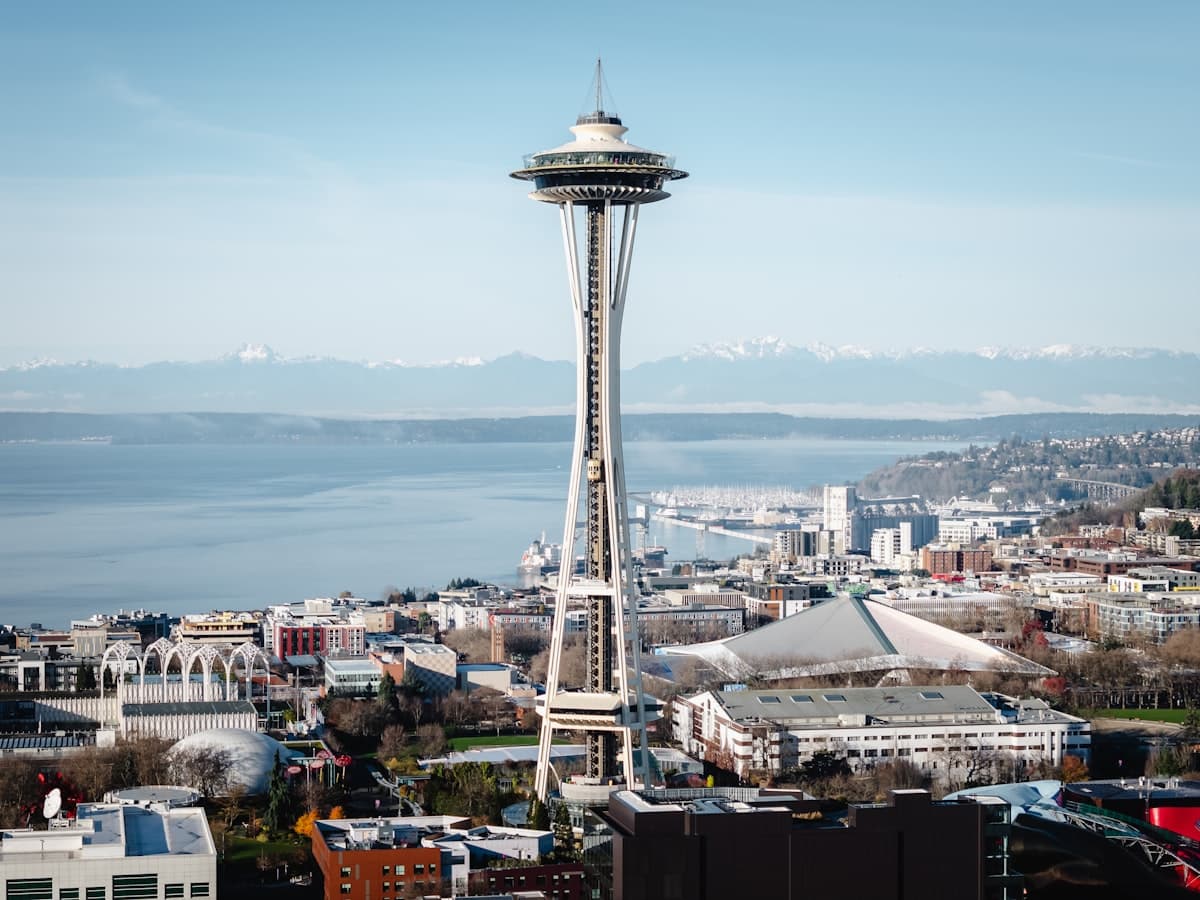
Local Landmark
Space Needle with Puget Sound and Olympic Mountains in background
Photo by Josh Hild on Unsplash
Frequently Asked Questions
Common questions about emergency HVAC repair in Seattle, Washington
Still have questions? Call our 24/7 emergency line.
Call (855) 321-3346More Cities in Washington
Emergency HVAC repair in nearby WA cities
Need Emergency HVAC Repair?
Call now for 24/7 emergency AC and heating repair in Seattle, Washington. Licensed, insured professionals available around the clock.
(855) 321-3346 — Emergency Service