Emergency HVAC Repair in BellevueWashington
24/7 emergency AC and heating repair from certified local technicians in Bellevue, Washington.
Assess Your HVAC Emergency
Identify the severity of your issue and take the right action
Monitor & Schedule
- Weak or uneven airflow
- Unusual noises (buzzing, rattling)
- Thermostat not responding correctly
- Slight temperature inconsistency
Call Today
- No cooling or heating output
- System short-cycling repeatedly
- Strange smells from vents
- Water leaking from unit
Call Now — Emergency
- Gas smell near furnace
- Electrical burning smell
- Complete system failure
- Carbon monoxide alarm triggered
Why HVAC Emergencies Happen in Bellevue
Bellevue's climate puts extreme stress on HVAC systems. Understanding local conditions helps you prevent failures.

Photo by Zoshua Colah on Unsplash
Temperate maritime climate with mild, wet winters and warm, dry summers
High humidity during rainy season makes homes feel colder even at moderate temperatures
Lake Washington's influence creates microclimates varying across neighborhoods
Best Months
Avoid if Possible
- PSE (Puget Sound Energy) offers substantial rebates for heat pump conversions
- High-efficiency systems with SEER2 18+ provide significant energy bill savings
- Variable-speed technology adjusts output to match mild temperature swings
- Zoning systems reduce waste by conditioning only occupied rooms
- Smart thermostats learn patterns and optimize for PNW weather variations
The city's geography creates notable microclimates across different neighborhoods. Properties near Lake Washington experience higher humidity levels, requiring enhanced dehumidification capabilities to maintain comfortable indoor conditions. Meanwhile, elevated areas like Somerset and Cougar Mountain face cooler temperatures and stronger wind exposure, demanding more robust heating systems. Downtown Bellevue's high-rise buildings present entirely different ventilation and cooling challenges compared to the single-family homes that dominate residential neighborhoods.
The rainy season from October through May brings persistent moisture that makes homes feel colder even at moderate temperatures. This dampness can stress HVAC systems and emphasizes the importance of proper humidity control. Modern variable-speed systems excel in Bellevue's climate by adjusting output incrementally rather than cycling between full-on and full-off, maintaining consistent comfort while consuming less energy. The mild shoulder seasons in spring and fall allow economizer controls to use outdoor air for free cooling, significantly reducing mechanical cooling requirements. For Bellevue homeowners, understanding these local climate factors is essential for selecting HVAC equipment that delivers year-round comfort while maximizing energy efficiency.
How Bellevue's Climate Affects Materials
heat Pumps
Ideal for PNW mild winters - rarely drops below freezing, excellent year-round efficiency
dual Fuel
Optimal choice combining heat pump efficiency with gas backup for coldest days
ductless
Popular for older homes without ductwork, handles humidity well
central A C
Increasingly necessary for summer heat waves, though historically optional
Your Home Temperature Risk
When your HVAC fails in Bellevue, indoor temperatures can reach dangerous levels
In Bellevue's heat, a broken AC can push indoor temperatures past 100°F within hours. Heat stroke risk increases significantly — especially for children and elderly residents.
(855) 321-3346 — Get Emergency HelpEmergency HVAC situations in the Pacific Northwest often occur during power fluctuations from winter storms or when aging equipment finally fails under peak summer demand. The good news is that several Bellevue-area contractors offer 24/7 emergency services, and understanding what constitutes a true emergency versus a situation that can wait helps you respond appropriately while maintaining safety.
When facing an HVAC emergency, take immediate steps to protect your household. If you smell gas or suspect carbon monoxide, evacuate immediately and call 911. For electrical issues, turn off power to the HVAC system at the breaker panel. Document the problem with photos if safe to do so. Then contact an emergency HVAC service. All Climate Heating and Air Conditioning offers 24/7 answering service at 425-746-3077. Other local contractors also provide emergency services throughout the Bellevue area.
While waiting for service, take temporary measures to maintain comfort. During heating failures, use safe space heaters away from flammable materials, seal drafts with towels, and gather family in one room to conserve warmth. During cooling emergencies, close blinds on sun-facing windows, use fans, and stay hydrated. For heat pump failures in winter, some systems have emergency heat strips that provide backup warmth at higher operating demand. Know how to activate this mode through your thermostat.
Preventing emergencies through regular maintenance is the best strategy. Annual tune-ups catch potential failures before they become emergencies. Maintenance programs from local contractors typically include priority emergency service, often with same-day response for plan members.
HVAC Systems We Repair in Bellevue
Dual-fuel hybrid systems represent the optimal choice for homeowners seeking maximum efficiency without sacrificing cold-weather performance. These systems pair an electric heat pump with a gas furnace backup, automatically switching between the two based on outdoor temperature and energy demands. When temperatures drop below the heat pump's efficient operating range, the gas furnace takes over seamlessly. This configuration typically reduces heating energy consumption significantly compared to gas-only systems while ensuring reliable comfort during the coldest winter nights.
Ductless mini-split systems have gained tremendous popularity in Bellevue, particularly in older homes that lack existing ductwork or in additions where extending central systems proves impractical. These systems offer zone control, allowing homeowners to heat or cool only occupied rooms, and their high-efficiency ratings make them economical to operate. Multi-zone configurations can serve entire homes while maintaining individual temperature control in each room. For homes with existing ductwork, high-efficiency variable-speed furnaces paired with matching air conditioners provide excellent comfort and efficiency. Variable-speed technology adjusts output to match actual heating or cooling demand, eliminating the temperature swings associated with single-stage equipment. Given Bellevue's energy landscape and environmental consciousness, investing in higher-efficiency equipment typically pays dividends through lower utility bills and available rebates from Puget Sound Energy.
HVAC Repair Requirements in Bellevue
Projects requiring plan review include work in non-residential buildings, multifamily properties with three or more units, and installations that involve penetrating fire-rated construction or modifying smoke control systems. Townhomes designed under the International Residential Code typically do not require plan review. Site plans may be required when work involves exterior intake or exhaust locations to verify distances from property lines. All new equipment must meet current Washington energy codes, which in 2025 require a minimum SEER2 rating of 14 for air conditioning systems. Working with a licensed contractor who handles permitting ensures compliance and protects homeowners from potential issues during resale. Many buildings in Bellevue have smoke control systems, and any mechanical work in these buildings requires applicants to verify impacts to those systems.
Choosing a HVAC emergency technician in Bellevue
Factory authorization from major brands provides another trust signal. Authorized dealers like Bryant, Trane, or Mitsubishi Diamond Contractors receive manufacturer training and can offer enhanced warranties. Before recommending equipment, quality contractors perform detailed load calculations that account for your home's size, insulation, window placement, and occupancy patterns. Be wary of contractors who quote equipment without assessing your specific situation. Given Bellevue's strong rebate programs, choose a contractor experienced with PSE rebate paperwork and federal tax credit documentation. Many local contractors actively help customers maximize available incentives. Check Google reviews, BBB ratings, and ask for local references. The best contractors offer comprehensive maintenance plans with extended parts and labor warranties, protecting your investment for years to come.
Local Insights
Along the Lake Washington waterfront in West Bellevue, luxury homes contend with elevated humidity levels that require enhanced dehumidification capabilities. These properties often feature premium multi-zone systems with smart humidity control to protect both occupant comfort and expensive finishes. The Crossroads and Eastgate neighborhoods contain many of Bellevue's established homes built in the 1960s through 1980s, frequently without central ductwork. Ductless mini-split systems have become the go-to solution here, providing efficient heating and cooling without the expense and disruption of installing new ductwork throughout the home. Many homeowners in these areas are also pursuing energy upgrades to take advantage of PSE rebates and reduce their carbon footprint. Throughout Bellevue, the tech-savvy population expects smart thermostat integration and home automation compatibility, making these features nearly standard for new HVAC installations in this affluent Eastside community.
Verified HVAC technicians
Certified emergency technicians serving Bellevue, Washington. Available 24/7 for AC and heating emergencies.
Evergreen Eastside Heat & AC
Union trained HVAC personnel, purchased Eastside Heating and Air Conditioning of Bellevue in 2018
CM Heating (CM Air Pros LLC)
4.9 · 4613 reviews
WSB HVAC
4.9 · 150 reviews
All Climate Heating & Air Conditioning
4.8 · 450 reviews
BelRed Heating & Cooling
4.8 · 2941 reviews
TemperaturePro Kirkland
4.7 · 200 reviews
+ 2 more HVAC technicians
More HVAC technicians in Bellevue
Bob's Heating & Air Conditioning
Woodinville-based, serves Bellevue area, specializes in 2025 code compliance installations
Home Comfort Alliance (G&S Heating)
Located in Redmond, one of two major Costco dealers in area, 0 BBB complaints in 3 years
Ready to Get Started?
Connect with a licensed HVAC emergency technician in Bellevue — available 24/7 for emergencies.
(855) 321-3346 — Emergency ServiceQuick Troubleshooting Guide
Try these steps before calling. If they don't work, we're here 24/7.
Check your thermostat settings
Make sure it's set to the correct mode (heat/cool) and the temperature is set correctly.
If this doesn't work ↓
Inspect your air filter
A clogged filter can restrict airflow and cause your system to overheat or freeze up.
If this doesn't work ↓
Check the circuit breaker
A tripped breaker can cut power to your HVAC system. Reset it and see if the system restarts.
If this doesn't work ↓
Check the outdoor unit
Make sure the outdoor unit is clear of debris and the fan is spinning when the system runs.
Still not working? Call a pro.
(855) 321-3346 — Emergency ServiceComplete Bellevue Emergency HVAC Repair Guide
Everything you need to know about emergency hvac repair in Bellevue. Expand any section for details.
Interior Signs
- Uneven heating or cooling throughout the house
- Energy bills keep rising despite maintenance
- Humidity issues - too dry or too damp indoors
- Unusual smells from vents
- Excessive dust even after filter changes
- Thermostat constantly needs adjustment
Exterior Signs
- System is 12-20 years old
- Frequent breakdowns or costly repairs
- Loud, unusual noises from equipment
- Visible rust or corrosion on outdoor unit
- Refrigerant leaks
- Short cycling - system turns on/off frequently
25% Rule: If repair needs are frequent and your current system is over 10 years old, replacement is usually the smarter investment. Also consider replacing if system uses R-22 refrigerant (phased out) or doesn't meet current efficiency standards.
Bellevue at a Glance
Local climate conditions and neighborhoods where HVAC emergencies are most common
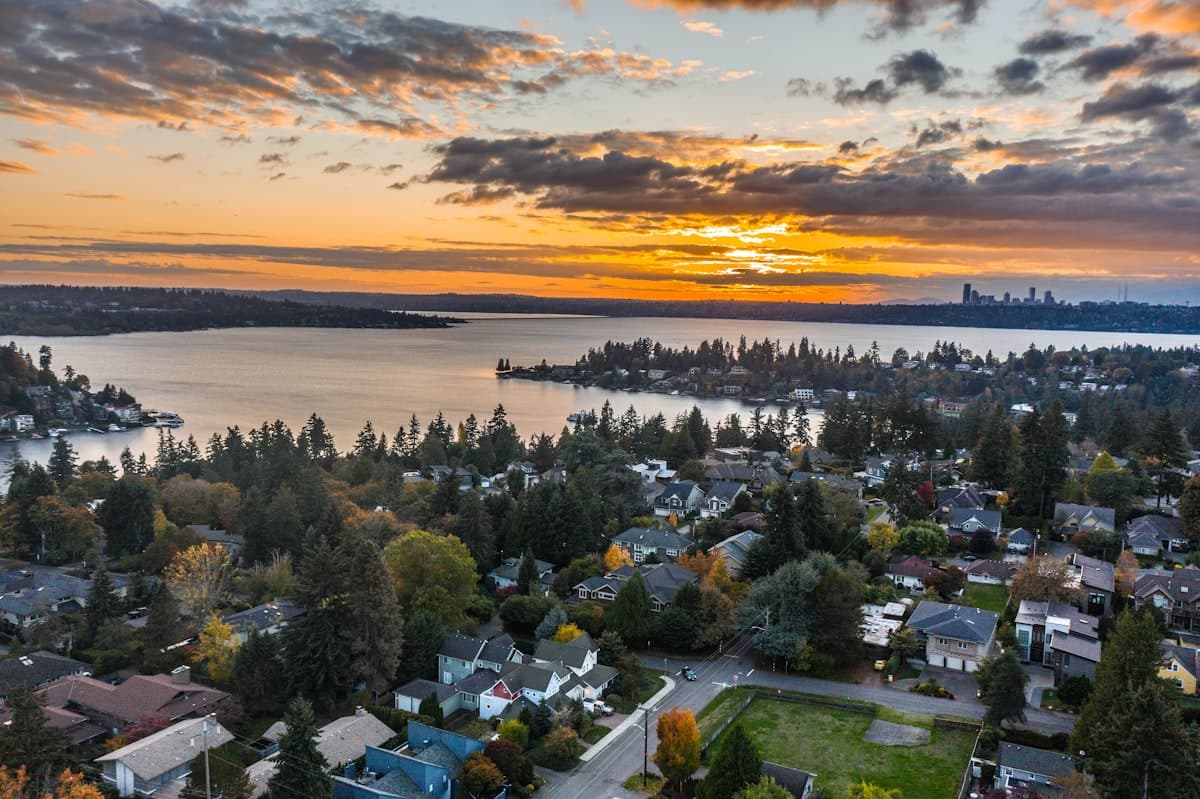
Waterfront/Lake Washington
Aerial view of Lake Washington waterfront homes in Bellevue at sunset
Photo by Zac Gudakov on Unsplash
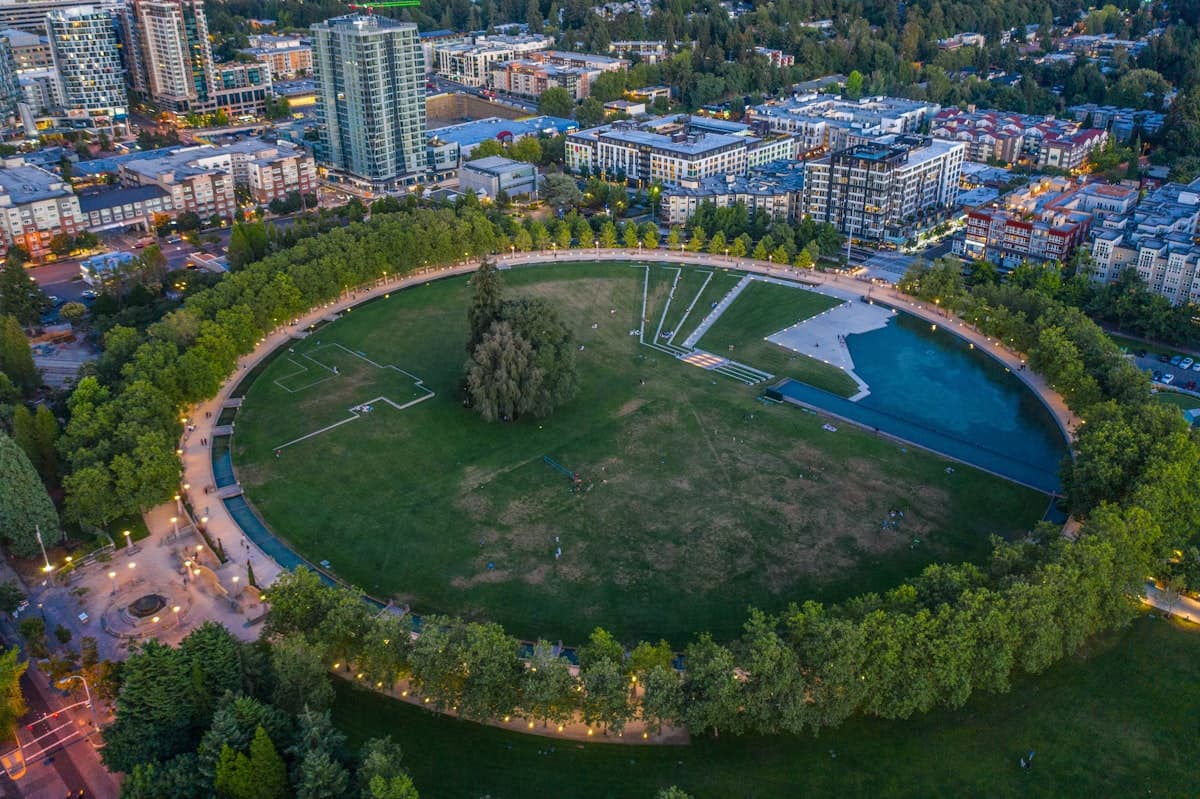
Downtown Bellevue
Aerial view of Bellevue Downtown Park with city buildings and urban landscape
Photo by Zac Gudakov on Unsplash
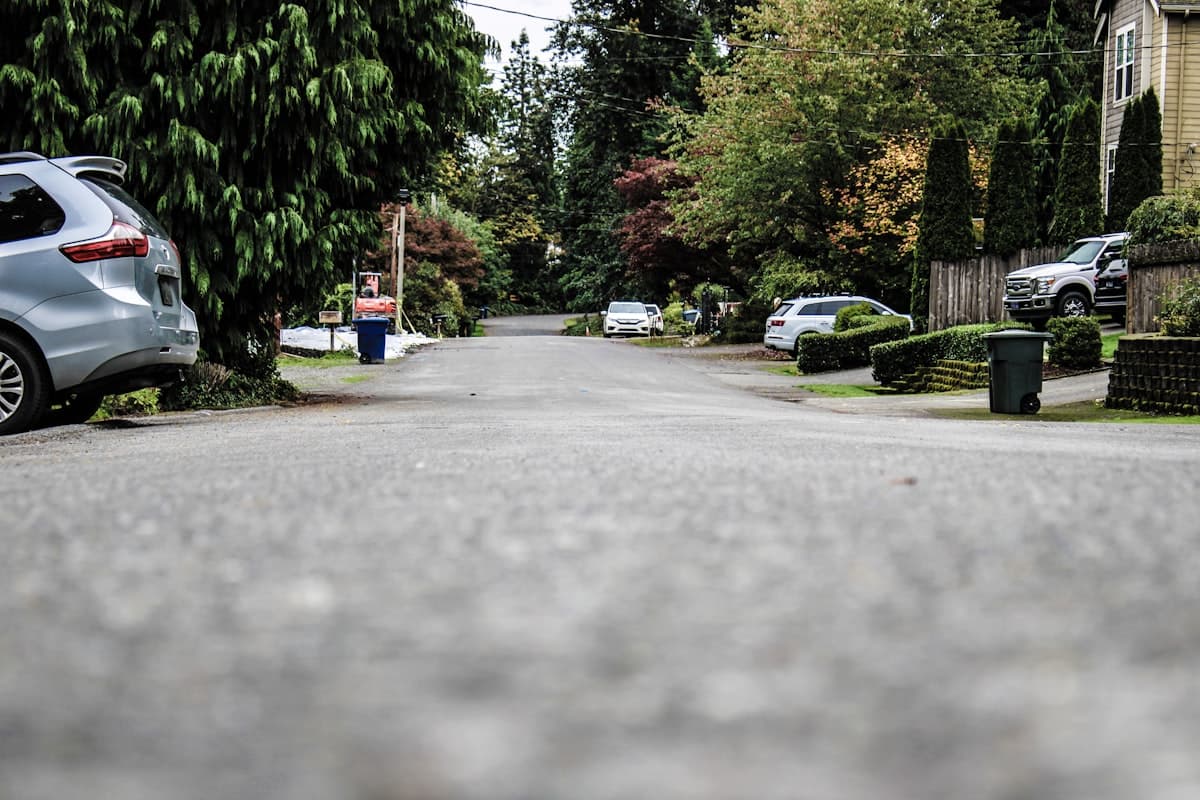
Residential Area
Residential street in Bellevue Washington neighborhood with trees and homes
Photo by Peter Robbins on Unsplash
Local Climate
Foggy Pacific Northwest forest road showing typical wet climate conditions
Photo by Zoshua Colah on Unsplash
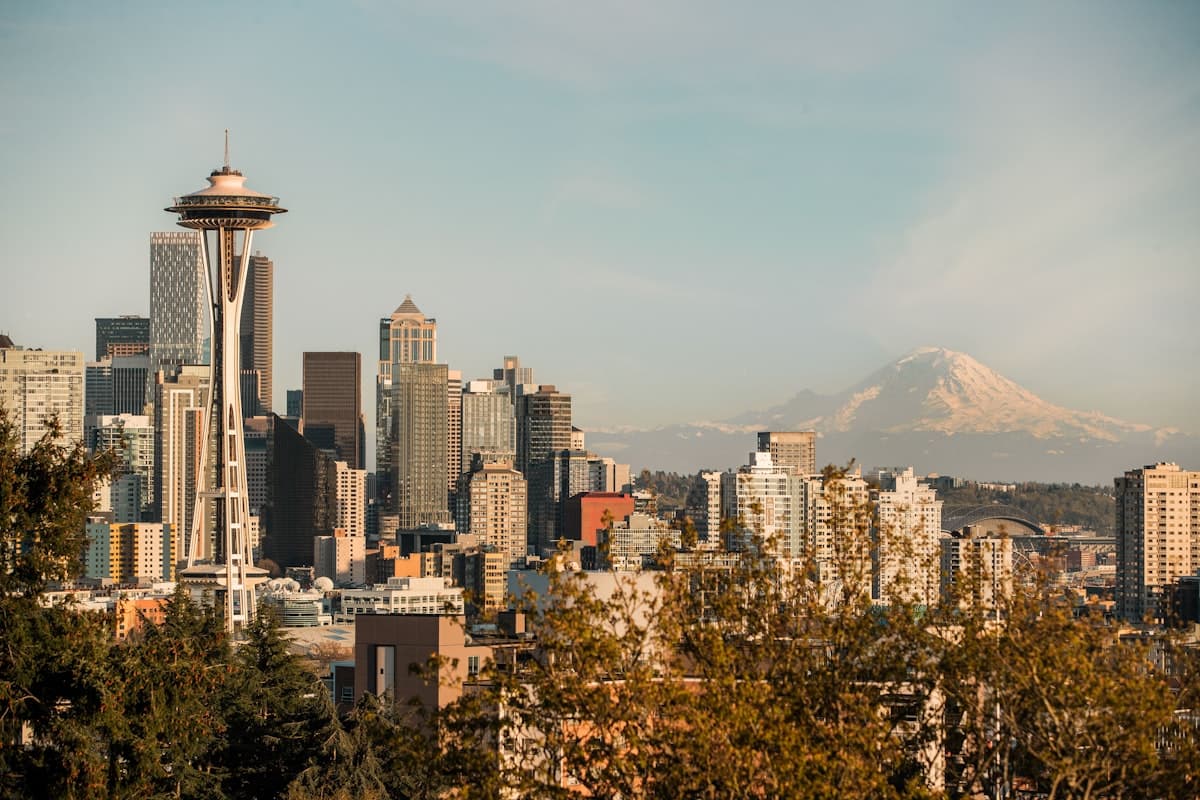
Local Landmark
Seattle skyline with Space Needle and Mount Rainier visible from the greater Bellevue area
Photo by Toan Chu on Unsplash
Frequently Asked Questions
Common questions about emergency HVAC repair in Bellevue, Washington
Still have questions? Call our 24/7 emergency line.
Call (855) 321-3346More Cities in Washington
Emergency HVAC repair in nearby WA cities
Need Emergency HVAC Repair?
Call now for 24/7 emergency AC and heating repair in Bellevue, Washington. Licensed, insured professionals available around the clock.
(855) 321-3346 — Emergency Service