Emergency HVAC Repair in SpokaneWashington
24/7 emergency AC and heating repair from certified local technicians in Spokane, Washington.
Assess Your HVAC Emergency
Identify the severity of your issue and take the right action
Monitor & Schedule
- Weak or uneven airflow
- Unusual noises (buzzing, rattling)
- Thermostat not responding correctly
- Slight temperature inconsistency
Call Today
- No cooling or heating output
- System short-cycling repeatedly
- Strange smells from vents
- Water leaking from unit
Call Now — Emergency
- Gas smell near furnace
- Electrical burning smell
- Complete system failure
- Carbon monoxide alarm triggered
Why HVAC Emergencies Happen in Spokane
Spokane's climate puts extreme stress on HVAC systems. Understanding local conditions helps you prevent failures.
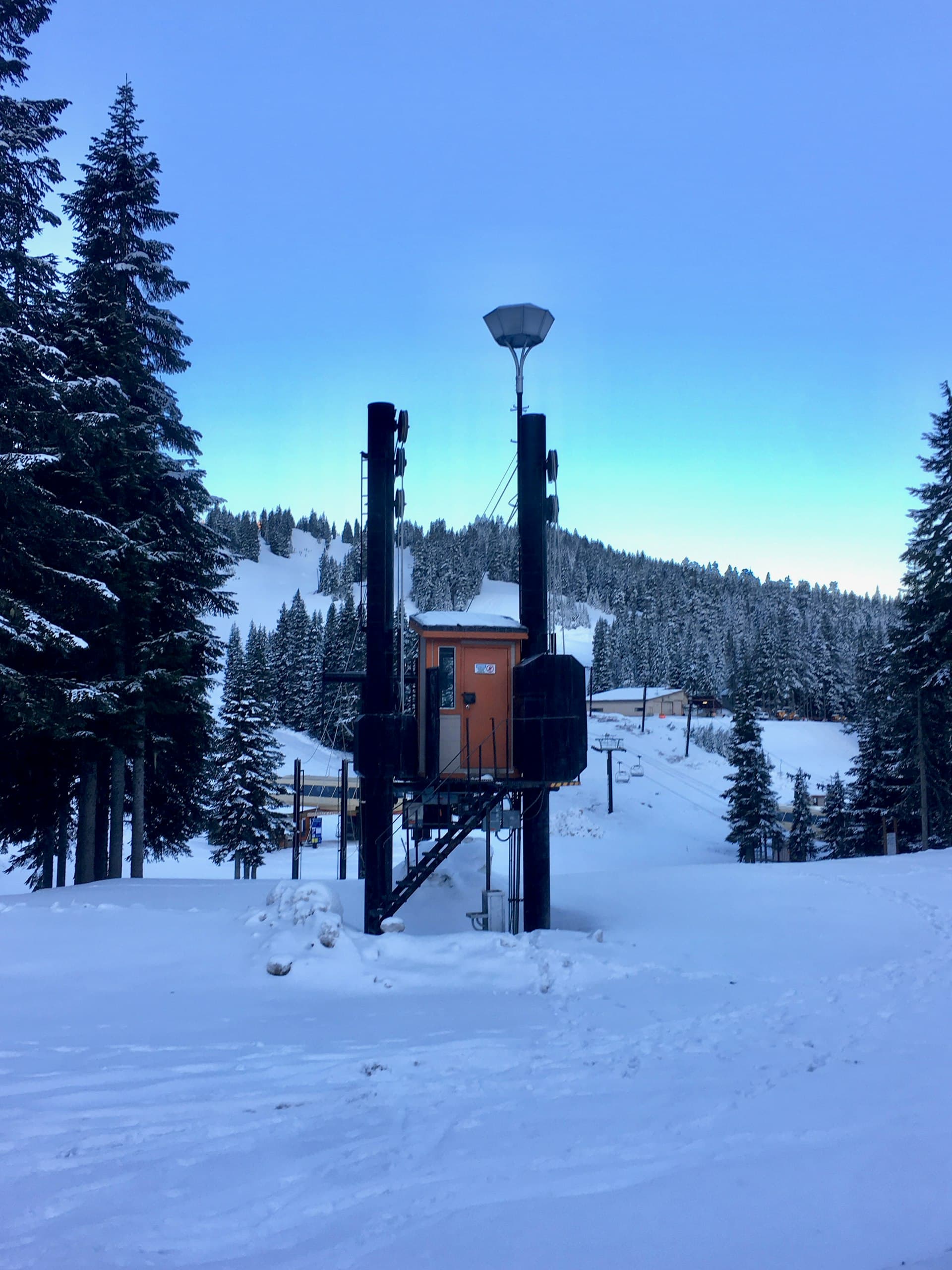
Photo by Zoshua Colah on Unsplash
IECC Climate Zone 5B (Cool-Dry) with extreme temperature swings
Winter design temperature of -7F requires robust heating capacity
Summer design temperature of 91F with dry heat creates cooling demand
Best Months
Avoid if Possible
- Heat pumps can reduce heating bills 30-50% compared to gas furnaces
- Cold-climate heat pumps operate efficiently down to single-digit temperatures
- Dual-fuel systems provide backup for extreme cold snaps
- Smart thermostats can optimize heating/cooling schedules for Spokane's variable weather
- R-49 ceiling insulation and R-20 wall insulation required per IECC 2021
The cold, dry winters are the primary concern for Spokane homeowners. When temperatures plunge into single digits or below, heating systems work overtime to maintain indoor comfort. This is why high-efficiency gas furnaces with 95% AFUE or higher ratings have long been the standard choice. However, advances in cold-climate heat pump technology have changed the equation. Modern variable-speed heat pumps can now operate efficiently down to -15 degrees Fahrenheit, making them a viable year-round solution that many Spokane residents are embracing.
Summer brings its own considerations. While Spokane's dry heat is more tolerable than humid climates, temperatures in the 90s create real cooling demand for 2-3 months. Air conditioning has shifted from luxury to necessity for many families. The good news is that dry conditions mean less stress on AC systems compared to humid regions, and the relatively short cooling season makes operating costs manageable.
Regional wildfire smoke has become an increasing concern during summer months, making indoor air quality a critical consideration when selecting HVAC equipment. High-MERV filtration and air purification systems help Spokane homeowners breathe easier during smoke events. The area's natural dust and pollen also require more frequent filter changes than humid climates. Successful HVAC design in Spokane must account for these temperature extremes, air quality challenges, and the reality that your system will be tested throughout the year.
How Spokane's Climate Affects Materials
Heat Pumps
Cold-climate models with variable-speed inverter technology required; standard heat pumps may struggle below 25F
Gas Furnaces
95%+ AFUE condensing furnaces recommended for efficiency in cold winters
Air Conditioners
13-15 SEER standard; higher SEER beneficial but less critical than in hotter climates
Ductwork
Must be well-insulated to prevent heat loss in winter; older Spokane homes often need upgrades
Your Home Temperature Risk
When your HVAC fails in Spokane, indoor temperatures can reach dangerous levels
In Spokane's heat, a broken AC can push indoor temperatures past 100°F within hours. Heat stroke risk increases significantly — especially for children and elderly residents.
(855) 321-3346 — Get Emergency HelpSpokane's HVAC contractors understand this reality. Several offer 24/7 emergency service specifically because they know how critical heating is during Eastern Washington winters. Holliday Heating promises 60-minute response times on the coldest nights, while Cougar Heating, Sturm, and Bill's Heating all maintain round-the-clock emergency availability.
Knowing the warning signs that signal imminent failure can help you act before a complete breakdown. And understanding what to do when your system does fail, including temporary measures to protect your home, puts you in control during a stressful situation.
When your heating fails in winter, take immediate steps to minimize damage. Close off unused rooms to concentrate heat in living areas. If you have a space heater, use it safely in occupied rooms but never leave it unattended. Open cabinet doors under sinks to let warm air reach pipes and prevent freezing. If temperatures inside drop near freezing, drain pipes to prevent burst lines.
Contact emergency HVAC service immediately. Spokane contractors like Holliday Heating, Cougar Heating, and Sturm offer 24/7 emergency response. When calling, describe your symptoms clearly: is the system completely dead, running without producing heat, or making unusual noises? This helps technicians prepare and potentially bring needed parts.
Common Spokane furnace emergencies include ignitor failures, blower motor problems, and thermostat malfunctions. Many can be repaired on the first visit by experienced technicians. However, if your system is over 15 years old and repair costs exceed half the replacement value, emergency failure might be the signal to upgrade rather than repair.
For air conditioning emergencies during Spokane's hot summer months, the stakes are lower but comfort matters. Signs of AC failure include warm air from vents, unusual sounds, refrigerant leaks visible around the outdoor unit, and systems that run constantly without cooling. While less urgent than winter heating failures, prompt attention prevents compressor damage that turns a simple repair into a costly replacement.
HVAC Systems We Repair in Spokane
High-efficiency gas furnaces remain the workhorse of Spokane heating. Models with 95% AFUE or higher extract maximum heat from every therm of natural gas, crucial when your furnace runs heavily from November through March. These condensing furnaces capture heat that older models waste, delivering superior efficiency during Spokane's long heating season. With proper maintenance, expect 15-20 year lifespans and reliable performance even on the coldest nights.
Cold-climate heat pumps have emerged as the most exciting option for Spokane homeowners. Unlike standard heat pumps that struggle below 25 degrees, cold-climate models with variable-speed inverter technology operate efficiently down to -15 degrees Fahrenheit. The payoff comes in operating efficiency, with heat pumps capable of reducing heating bills by 30-50% compared to gas furnaces while providing air conditioning in summer from the same unit. These systems also qualify for utility rebates and federal tax credits, making them increasingly attractive.
Dual-fuel systems combine a heat pump with a gas furnace backup, automatically switching to gas during extreme cold snaps. This hybrid approach maximizes efficiency most of the time while ensuring reliable heating on the coldest Spokane nights. The combination delivers the best of both technologies, adapting to conditions throughout the season.
Ductless mini-splits work well for Spokane homes without existing ductwork, home additions, or zone-specific heating and cooling needs. These systems avoid ductwork losses that can waste 20-30% of energy in older systems. Many Spokane homeowners use mini-splits to supplement existing heating in problem areas or to add climate control to converted spaces.
For most Spokane homes, the best value today is either a high-efficiency gas furnace paired with central AC, or a cold-climate heat pump system. The heat pump route offers lower operating costs and environmental benefits, while gas provides proven reliability in extreme cold. Your choice should reflect your home's infrastructure, your comfort priorities, and your long-term energy goals.
HVAC Repair Requirements in Spokane
Your contractor should handle the permit application process as part of their service. Processing typically takes 1-5 business days, allowing work to proceed promptly once approved. All HVAC contractors working in Spokane must hold Washington State specialty contractor licenses through the Department of Labor and Industries. Technicians performing refrigerant work need EPA Section 608 certification, which the EPA requires for anyone who maintains, services, repairs, or disposes of equipment containing refrigerants.
Washington State requires HVAC contractors to register as specialty contractors, complete an application with the Department of Labor and Industries, and maintain appropriate bonding and insurance. The state regulates 63 construction specialties including HVAC. Additionally, contractors working on electrical components of HVAC systems may need specialty electrician licensing, either at the trainee level (06b restricted) or journeyman level (06a) depending on the complexity of work.
For homeowners in Spokane Valley or unincorporated areas, separate permits through Spokane County may apply. Regardless of jurisdiction, never skip the permit process. Permitted work includes inspections that verify safe installation, protect your warranty, and avoid problems when selling your home. A reputable contractor will always pull proper permits and welcome inspection of their work.
Choosing a HVAC emergency technician in Spokane
Several contractors have established strong reputations in the Spokane market. Sturm Heating has served the area since 1945, earning BBB A+ accreditation and membership in professional organizations like NADCA and IGSHPA. Their decades of experience mean they understand older Spokane homes and newer construction alike. Cougar Heating and Air Conditioning has accumulated over 2,500 Google reviews with a 4.8-star average, reflecting consistent customer satisfaction. Holliday Heating distinguishes itself with 24/7 emergency service and a 60-minute response guarantee on the coldest nights, critical when your furnace fails during a Spokane cold snap.
When gathering quotes, insist on in-home assessments rather than phone estimates. Proper equipment sizing requires Manual J load calculations specific to your home. Compare not just price but also warranty terms, maintenance plan options, and whether the contractor is familiar with available rebate programs. Request references and check online reviews across multiple platforms.
Watch for red flags including pressure tactics, unusually low bids, reluctance to provide written estimates, or contractors who quote without visiting your home. The lowest price often means corners cut on installation quality or equipment, leading to higher costs over the system's lifetime.
Local Insights
In contrast, Kendall Yards represents Spokane's modern urban revival, featuring newer construction with contemporary HVAC systems already in place. Homes here typically have efficient equipment but owners often seek smart thermostat integration and premium air filtration to complement the upscale lifestyle. The North Side encompasses established neighborhoods with a mix of renovated and original homes, presenting variable HVAC conditions that require individual assessment.
Spokane Valley and Five Mile Prairie offer suburban living with different HVAC profiles. Valley homes span new and older construction, while Five Mile Prairie features newer builds with modern systems on spacious lots. Liberty Lake attracts outdoor enthusiasts to higher-end homes where quiet operation and reliable year-round performance support the active lifestyle residents value.
Across all neighborhoods, Spokane's extreme temperature swings from sub-zero winters to ninety-degree summers demand robust equipment. The region's wildfire smoke seasons have made air quality systems increasingly important, and dusty conditions require more frequent filter changes than Pacific Northwest coastal areas. Whether you live in a century-old South Hill craftsman or a contemporary Liberty Lake home, understanding your neighborhood's specific challenges helps ensure the right HVAC solution for lasting comfort.
After resolving the immediate crisis, consider whether repair or replacement makes more sense for your situation. If your system has been requiring frequent repairs or is over 15 years old, upgrading to modern high-efficiency equipment may prevent future emergencies while reducing your operating costs. Many emergency visits reveal underlying issues that signal it is time for a system upgrade.
Verified HVAC technicians
Certified emergency technicians serving Spokane, Washington. Available 24/7 for AC and heating emergencies.
Holliday Heating + Cooling + Electric
60-minute response time on coldest nights, no overtime charges for club members
Sturm Heating & Air Conditioning
4.8
Cougar Heating and Air Conditioning
4.8 · 2587 reviews
R and R Heating & Air Conditioning
Bill's Heating & A/C
HVAC1 (Semenik HVAC)
+ 1 more HVAC technicians
More HVAC technicians in Spokane
TemperaturePro Inland Northwest
Serves Spokane metro and North Idaho, free quotes available
Ready to Get Started?
Connect with a licensed HVAC emergency technician in Spokane — available 24/7 for emergencies.
(855) 321-3346 — Emergency ServiceQuick Troubleshooting Guide
Try these steps before calling. If they don't work, we're here 24/7.
Check your thermostat settings
Make sure it's set to the correct mode (heat/cool) and the temperature is set correctly.
If this doesn't work ↓
Inspect your air filter
A clogged filter can restrict airflow and cause your system to overheat or freeze up.
If this doesn't work ↓
Check the circuit breaker
A tripped breaker can cut power to your HVAC system. Reset it and see if the system restarts.
If this doesn't work ↓
Check the outdoor unit
Make sure the outdoor unit is clear of debris and the fan is spinning when the system runs.
Still not working? Call a pro.
(855) 321-3346 — Emergency ServiceComplete Spokane Emergency HVAC Repair Guide
Everything you need to know about emergency hvac repair in Spokane. Expand any section for details.
Interior Signs
- Uneven temperatures between rooms or floors
- Increased dust or poor air quality despite filter changes
- Strange odors when system runs
- Excessive humidity or dryness
- Rising energy bills without usage changes
Exterior Signs
- Loud noises, grinding, or banging from outdoor unit
- Rust or corrosion on equipment
- Ice buildup on heat pump in winter
- Refrigerant leaks around outdoor unit
- Unit cycling on and off frequently
25% Rule: If your system is over 15 years old and repair costs exceed 50% of replacement value, or if you're facing multiple repairs in a single season, replacement with a high-efficiency system is typically more economical. Spokane's extreme temperatures make reliable heating especially critical.
Spokane at a Glance
Local climate conditions and neighborhoods where HVAC emergencies are most common
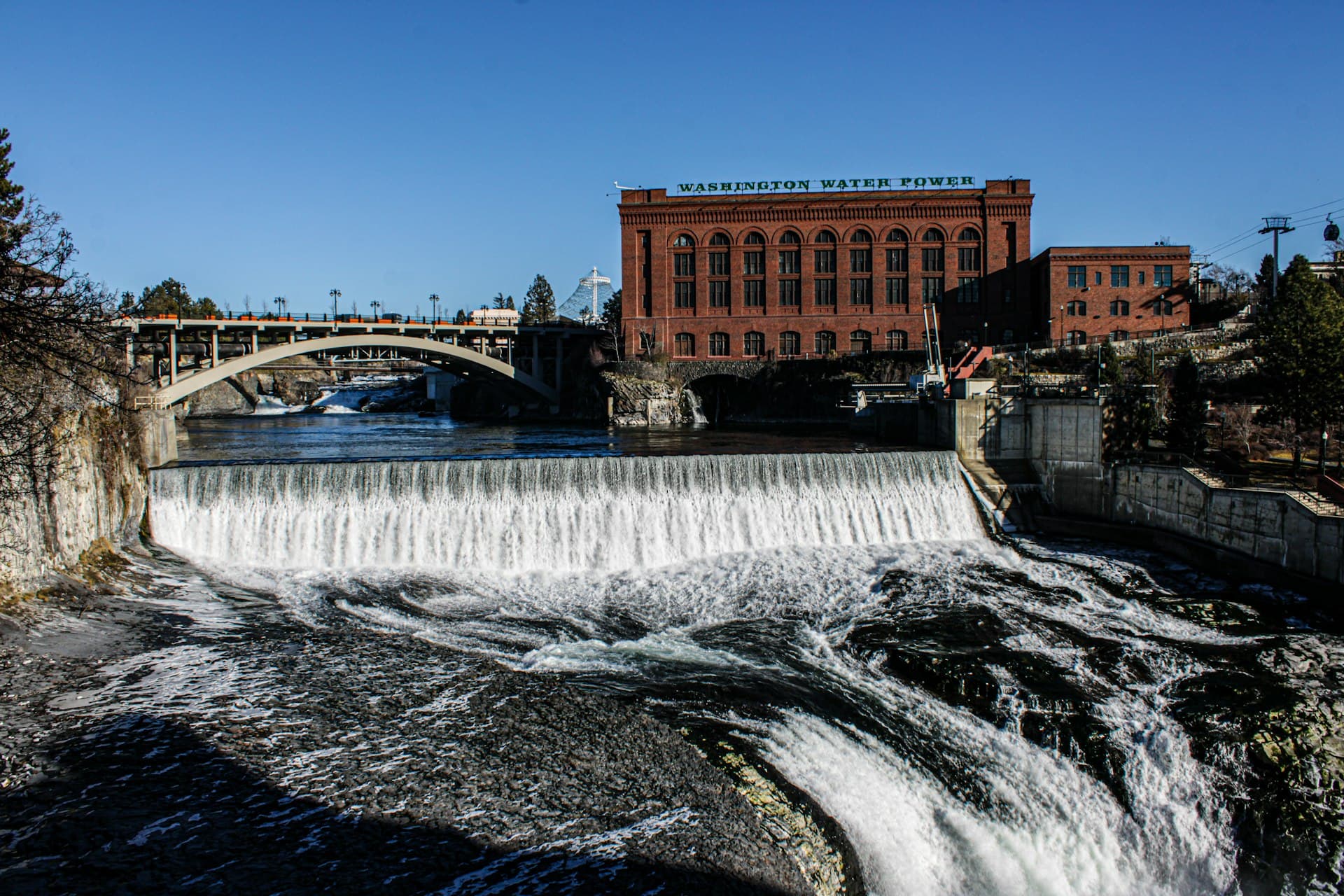
Local Landmark
Spokane Falls waterfall with historic Washington Water Power building in background
Photo by Peter Robbins on Unsplash
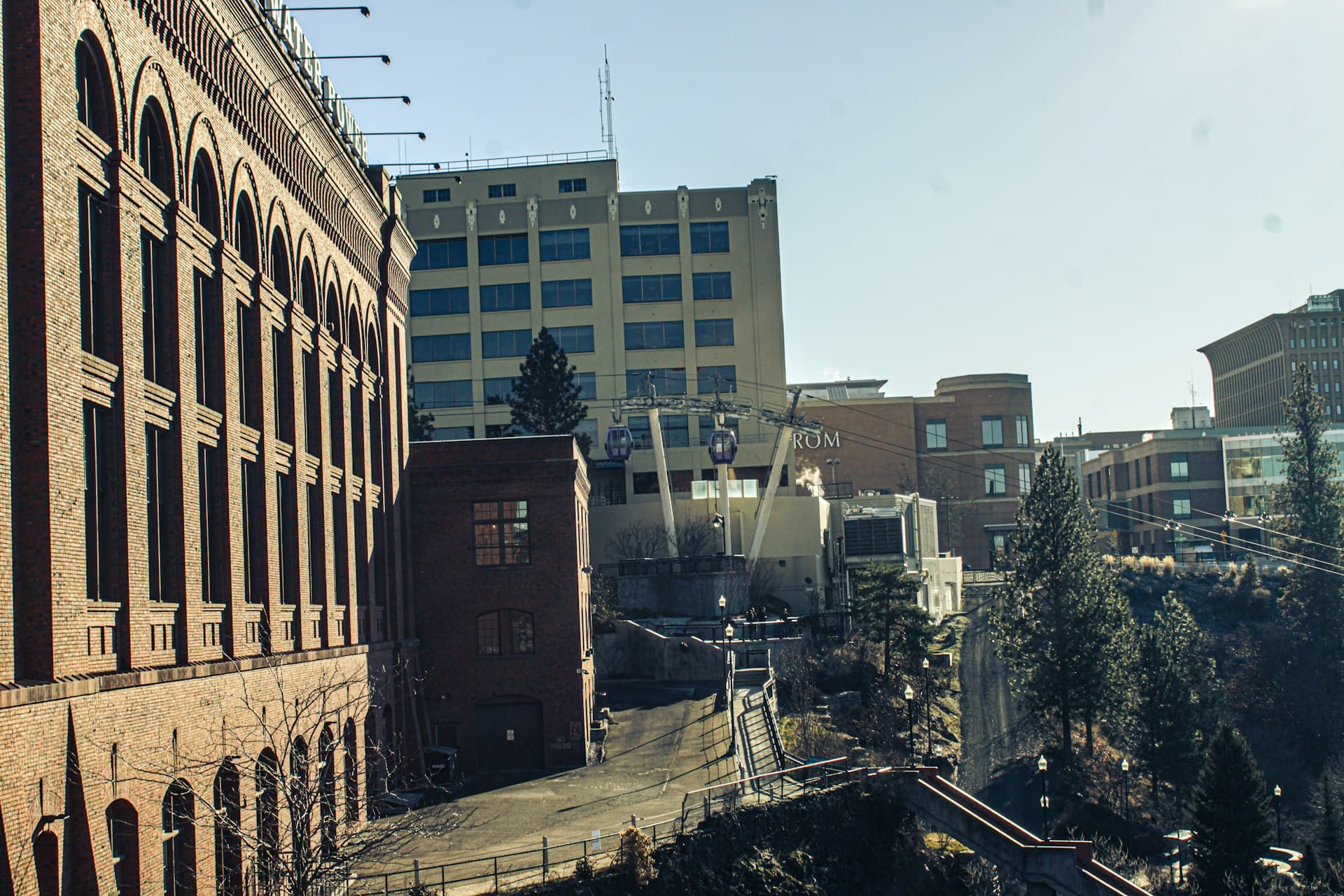
Downtown
Spokane downtown buildings and urban streetscape with clear sky
Photo by Peter Robbins on Unsplash
Local Climate
Washington State winter snow scene at Stevens Pass showing snowy mountain conditions
Photo by Zoshua Colah on Unsplash
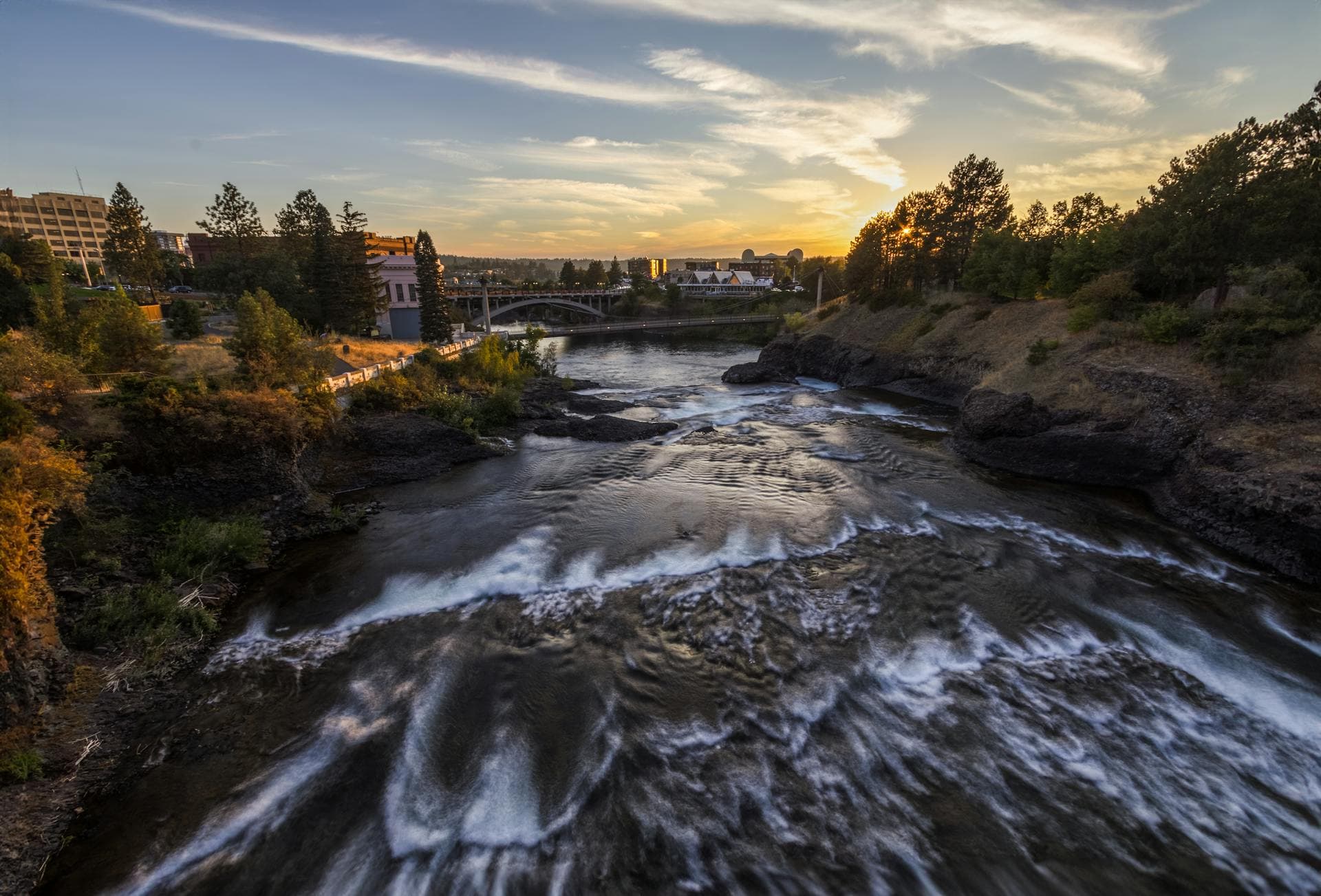
Spokane River flowing through city at sunset with urban landscape and pine trees
Photo by William Jacobs on Pexels
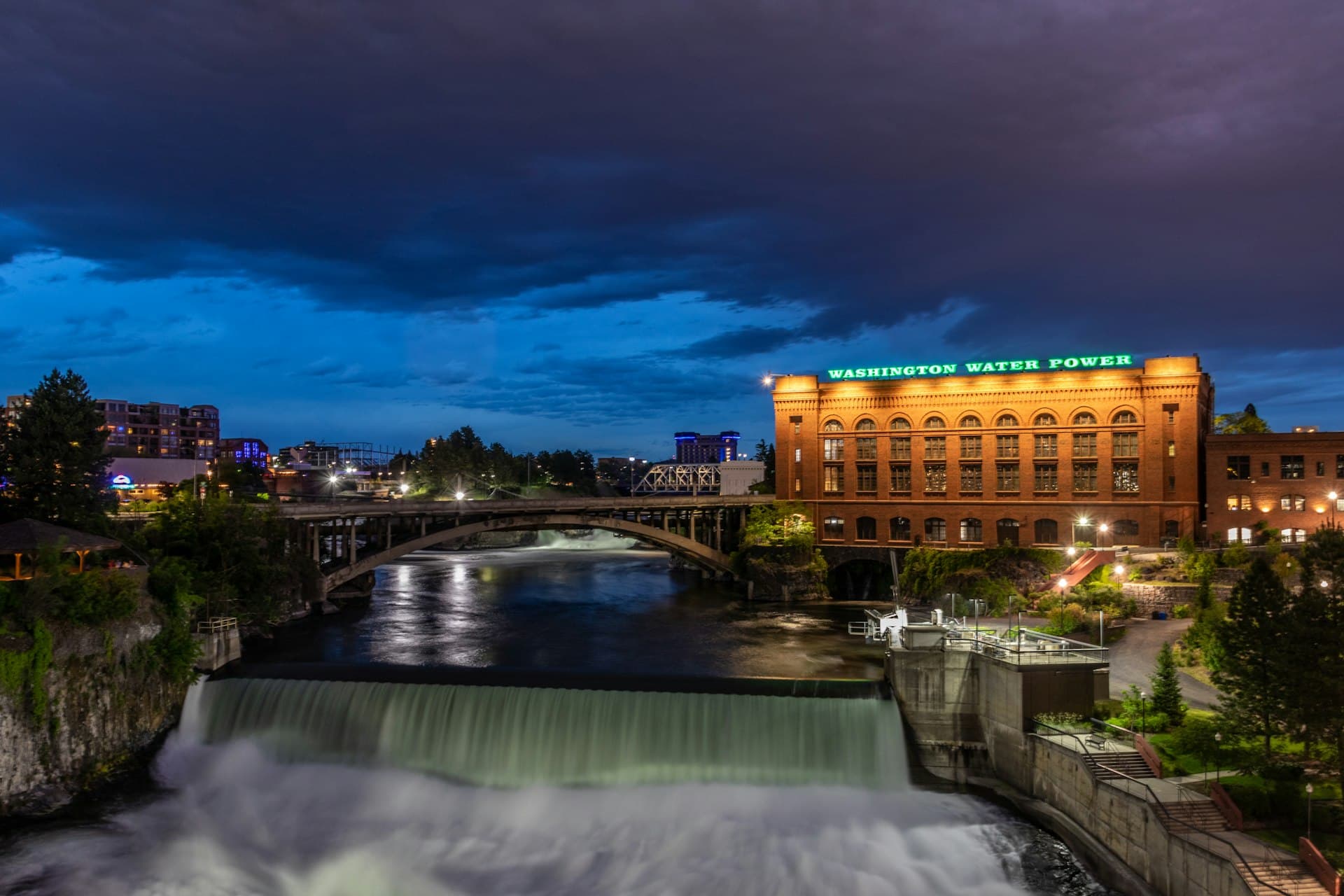
Spokane Falls at night with illuminated Washington Water Power building and city lights
Photo by Clay Elliot on Unsplash
Frequently Asked Questions
Common questions about emergency HVAC repair in Spokane, Washington
Still have questions? Call our 24/7 emergency line.
Call (855) 321-3346More Cities in Washington
Emergency HVAC repair in nearby WA cities
Need Emergency HVAC Repair?
Call now for 24/7 emergency AC and heating repair in Spokane, Washington. Licensed, insured professionals available around the clock.
(855) 321-3346 — Emergency Service