Emergency HVAC Repair in PlanoTexas
24/7 emergency AC and heating repair from certified local technicians in Plano, Texas.
Assess Your HVAC Emergency
Identify the severity of your issue and take the right action
Monitor & Schedule
- Weak or uneven airflow
- Unusual noises (buzzing, rattling)
- Thermostat not responding correctly
- Slight temperature inconsistency
Call Today
- No cooling or heating output
- System short-cycling repeatedly
- Strange smells from vents
- Water leaking from unit
Call Now — Emergency
- Gas smell near furnace
- Electrical burning smell
- Complete system failure
- Carbon monoxide alarm triggered
Why HVAC Emergencies Happen in Plano
Plano's climate puts extreme stress on HVAC systems. Understanding local conditions helps you prevent failures.

Photo by engin akyurt on Unsplash
Extreme summer heat with average highs of 95°F and heat index regularly exceeding 110°F
Extended cooling season requiring AC operation 6-8 months per year
30+ consecutive days over 100°F during peak summer stressing HVAC systems
Best Months
Avoid if Possible
- Higher SEER ratings pay back faster in Plano due to 6-8 month cooling season
- Variable-speed compressors provide better humidity control in humid summers
- Smart thermostats can reduce energy use through optimized scheduling
- Peak demand management important during ERCOT grid stress periods
- Oncor offers rebates for high-efficiency equipment
The extended cooling season means HVAC systems in Plano work harder and longer than those in more temperate climates. During peak summer, many Plano homes experience 30 or more consecutive days above 100 degrees, a stress test that pushes systems to their operational limits. This intense usage pattern accelerates wear on compressors, fan motors, and electrical components, making proper sizing and regular maintenance essential rather than optional.
Humidity compounds the challenge during summer months. The Dallas-Fort Worth metroplex experiences significant humidity that increases cooling loads beyond what temperature alone would suggest. Variable-speed systems have become increasingly popular in Plano precisely because they manage humidity more effectively than single-stage units, running longer at lower speeds to remove moisture while maintaining consistent temperatures.
Winter brings its own complications despite the region's generally mild temperatures. While Plano averages winter lows around 35 degrees, the city periodically experiences severe cold snaps that can drop temperatures well below freezing. The 2021 winter storm demonstrated how quickly conditions can become dangerous when heating systems fail. Heat pumps, excellent for most Plano weather, struggle to extract heat from outdoor air when temperatures fall below 40 degrees. This reality has made dual fuel systems combining heat pumps with gas furnace backup increasingly popular among Plano homeowners seeking both efficiency and reliability.
How Plano's Climate Affects Materials
Central A C
Essential for Plano summers; 16+ SEER recommended for energy savings during extended use
Heat Pump
Excellent for most of the year; may need backup heat for temperatures below 40°F
Dual Fuel System
Ideal for Plano climate - heat pump for efficiency most days, gas furnace for rare cold snaps
Gas Furnace
Only needed 2-3 months but critical during ice storms and winter events
Your Home Temperature Risk
When your HVAC fails in Plano, indoor temperatures can reach dangerous levels
In Plano's heat, a broken AC can push indoor temperatures past 100°F within hours. Heat stroke risk increases significantly — especially for children and elderly residents.
(855) 321-3346 — Get Emergency HelpPlano homeowners facing sudden AC failure need fast, reliable service from contractors equipped to diagnose and resolve problems quickly. The good news is that several local companies maintain 24/7 emergency response capabilities, with some guaranteeing two-hour arrival times even on weekends and holidays. Understanding what constitutes a true emergency, knowing which contractors provide after-hours service, and having a plan before problems arise can make the difference between a brief disruption and a dangerous situation.
This guide covers emergency HVAC scenarios specific to Plano's climate, what to do while waiting for service, and how to connect with contractors who prioritize rapid response when you need help most urgently.
Plano's climate creates unique emergency scenarios beyond simple equipment failure. The severe spring storm season brings hail and high winds capable of damaging outdoor units, sometimes destroying condenser coils or fan assemblies. Winter ice storms can coat equipment and cause extended power outages that freeze pipes when heating fails. The 2021 winter freeze demonstrated how quickly conditions can become life-threatening when heating systems cannot operate.
While awaiting emergency service, Plano homeowners can take steps to minimize heat buildup and prevent equipment damage. Close blinds and curtains on sun-facing windows to reduce solar heat gain. Avoid using ovens or other heat-generating appliances. If safe to do so, turn off the system to prevent potential damage from running a malfunctioning unit. For winter heating emergencies, gather family members in one room and use safe supplemental heat sources while monitoring for carbon monoxide if using any combustion devices.
Several Plano HVAC contractors maintain true 24/7 emergency capabilities. Jupitair HVAC, headquartered on Legacy Drive, guarantees two-hour response times for emergency calls at any hour. K&S Heating and Air explicitly states availability on holidays including Christmas Eve and for middle-of-night calls. Having these numbers readily accessible before emergencies arise enables faster response when problems occur.
HVAC Systems We Repair in Plano
Central air conditioning remains the foundation of Plano home comfort. Entry-level systems meeting minimum efficiency requirements provide basic cooling, but stepping up to 16 SEER or higher units delivers meaningful benefits for North Texas climates. Higher-efficiency systems provide superior humidity control and quieter operation, with the efficiency difference translating to noticeable monthly savings throughout long Plano summers. Variable-speed compressors represent the premium tier, modulating output to match cooling demands precisely while maintaining optimal humidity levels.
Heat pumps have gained significant traction in the Plano market. These systems provide both cooling and heating from a single unit, operating with remarkable efficiency during the mild temperatures that characterize most Plano days. High-efficiency heat pumps meeting CEE highest efficiency tier qualify for federal tax credits, substantially offsetting their premium positioning. However, heat pump performance diminishes as outdoor temperatures drop below 40 degrees, making backup heating essential for North Texas winters.
Dual fuel systems represent the optimal solution for Plano's variable climate. These configurations pair an electric heat pump with a gas furnace, automatically switching between power sources based on outdoor conditions. When temperatures remain above 40 degrees, the heat pump provides efficient heating and cooling. During cold snaps or ice storms, the gas furnace takes over, ensuring reliable warmth regardless of outdoor conditions. Dual fuel systems deliver the lowest operating expenses across all seasons while providing peace of mind during extreme weather events that occasionally affect the region.
Ductless mini-split systems serve specific niches in the Plano market. Ideal for room additions, converted garages, or homes without existing ductwork, these systems offer zone-by-zone temperature control and exceptional efficiency. Several Plano contractors specialize in mini-splits, with Mitsubishi Diamond Contractors offering factory-certified installation. Multi-zone configurations can serve entire homes, though traditional ducted systems remain more common for new whole-home installations.
HVAC Repair Requirements in Plano
Plano offers an online permit application system that streamlines the process for licensed contractors. Most straightforward replacements receive same-day or next-day approval, though complex installations involving electrical upgrades or ductwork modifications may require additional review time. Inspections occur at multiple installation phases, verifying proper equipment sizing, electrical connections, and refrigerant line installation.
Homeowners should always confirm their contractor pulls required permits. Work performed without permits can void homeowner insurance claims if problems arise, complicate future home sales during disclosure, and indicate the contractor may lack proper licensing. Texas law requires HVAC contractors to hold a valid TACL license from the Texas Department of Licensing and Regulation. TDLR issues Class A licenses for work on any size unit and Class B licenses for limited capacity work. Verify any contractor's license at tdlr.texas.gov before signing contracts, and request the permit number before work begins to confirm proper compliance.
Choosing a HVAC emergency technician in Plano
Start by verifying licensing through the Texas Department of Licensing and Regulation website. Every legitimate HVAC contractor in Texas must hold a TACL license, and verification takes only minutes online. Beyond state licensing, look for EPA 608 certification confirming proper refrigerant handling training, and consider NATE certification as evidence of technician competency.
Local contractors with established Plano presence offer advantages worth considering. Companies like Jupitair HVAC maintain headquarters on Legacy Drive and have completed thousands of service calls throughout Plano neighborhoods, building familiarity with local housing stock, common issues, and permit requirements. Efficient Home Solutions has served the Dallas area since 1989, demonstrating long-term commitment to the community. Berkeys brings nearly 50 years of regional experience, while Aire Texas has specialized in Plano-area service since 2010.
Obtain multiple written estimates before making decisions, typically three to four quotes for major installations. Be cautious of estimates significantly lower than competitors, as they may indicate corner-cutting on permits, equipment quality, or installation practices. Conversely, the highest quote does not guarantee the best work. Look for detailed proposals explaining equipment specifications, warranty terms, and included services such as permit pulling and old equipment disposal.
Ask specifically about experience with Oncor rebate programs and federal tax credit documentation. Contractors familiar with these programs can help maximize available incentives on high-efficiency installations. Finally, verify the contractor offers ongoing maintenance plans, as regular service extends equipment life and maintains efficiency throughout Plano's demanding climate.
Local Insights
Central Plano presents different challenges, with the majority of homes built during the 1980s through early 2000s now reaching the point where original HVAC equipment requires replacement. Many of these properties have ductwork that has settled over decades in North Texas clay soil, creating air leaks and efficiency losses that compound the demands of summer cooling. Contractors working in Central Plano neighborhoods frequently recommend duct sealing or replacement alongside new equipment installation to maximize system performance.
East Plano's family-focused communities tend toward budget-conscious solutions, where value-oriented equipment and cost-effective maintenance programs resonate with homeowners balancing quality against budget. Meanwhile, Legacy West has introduced high-rise residential living to Plano, creating demand for compact urban HVAC systems coordinated through building management rather than individual homeowner decisions.
The corporate presence in Plano also shapes the local HVAC market significantly. With Toyota North America, JCPenney headquarters, Dell Technologies, and Frito-Lay all calling Plano home, commercial HVAC expertise runs deep among local contractors who serve both business and residential clients. This corporate foundation has driven sophistication in building automation, energy management, and the expectation of reliable 24/7 service that extends to residential customers seeking premium support during North Texas summers when failure simply is not an option.
Call emergency HVAC service immediately when experiencing complete system failure, refrigerant leaks, electrical burning smells, or any situation where indoor conditions threaten health or safety. Plano contractors offering 24/7 service understand the urgency and maintain response protocols to address emergencies rapidly regardless of time or day.
For immediate emergency HVAC service in Plano, contact a licensed 24/7 contractor now. Do not let a broken system become a dangerous situation for your family.
Verified HVAC technicians
Certified emergency technicians serving Plano, Texas. Available 24/7 for AC and heating emergencies.
Aire Texas Heating and Air Conditioning
Serving Plano since 2010, dual fuel system experts
Jupitair HVAC
4.9 · 150 reviews
Efficient Home Solutions
4.9 · 680 reviews
Team Enoch HVAC
4.8 · 420 reviews
K & S Heating and Air
4.8
Truficient
4.8 · 145 reviews
+ 2 more HVAC technicians
More HVAC technicians in Plano
All City Air Conditioning & Heating
25+ years serving Plano, family-owned
Berkeys
Since 1975, nearly 50 years in business, large professional team
Ready to Get Started?
Connect with a licensed HVAC emergency technician in Plano — available 24/7 for emergencies.
(855) 321-3346 — Emergency ServiceQuick Troubleshooting Guide
Try these steps before calling. If they don't work, we're here 24/7.
Check your thermostat settings
Make sure it's set to the correct mode (heat/cool) and the temperature is set correctly.
If this doesn't work ↓
Inspect your air filter
A clogged filter can restrict airflow and cause your system to overheat or freeze up.
If this doesn't work ↓
Check the circuit breaker
A tripped breaker can cut power to your HVAC system. Reset it and see if the system restarts.
If this doesn't work ↓
Check the outdoor unit
Make sure the outdoor unit is clear of debris and the fan is spinning when the system runs.
Still not working? Call a pro.
(855) 321-3346 — Emergency ServiceComplete Plano Emergency HVAC Repair Guide
Everything you need to know about emergency hvac repair in Plano. Expand any section for details.
Interior Signs
- Uneven temperatures throughout the home (hot spots)
- Excessive humidity despite AC running
- Musty or burning odors from vents
- Increased dust and poor air quality
- Thermostat not reaching set temperature
- Rising energy bills without increased usage
Exterior Signs
- Unusual noises (grinding, squealing, banging)
- Refrigerant leaks or hissing sounds
- Frozen coils on outdoor unit
- Visible rust or corrosion on unit
- System running constantly without cooling
- Short-cycling (turning on and off frequently)
25% Rule: If your HVAC system is over 15 years old and requires frequent repairs, replacement is typically more economical. Also consider replacement if you've had multiple repairs in the past 2 years or if the system uses R-22 refrigerant (being phased out).
Plano at a Glance
Local climate conditions and neighborhoods where HVAC emergencies are most common
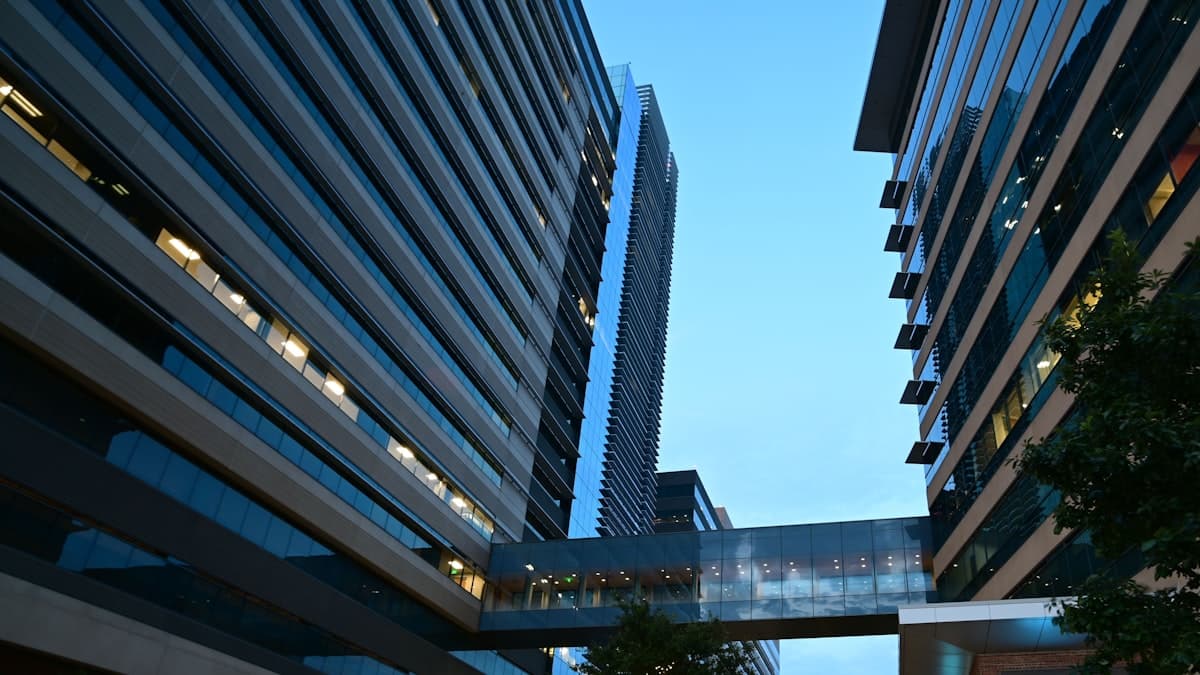
West Plano (Legacy)
Modern corporate office towers with skywalk in CityLine business district near Plano
Photo by Bryan Dickerson on Unsplash
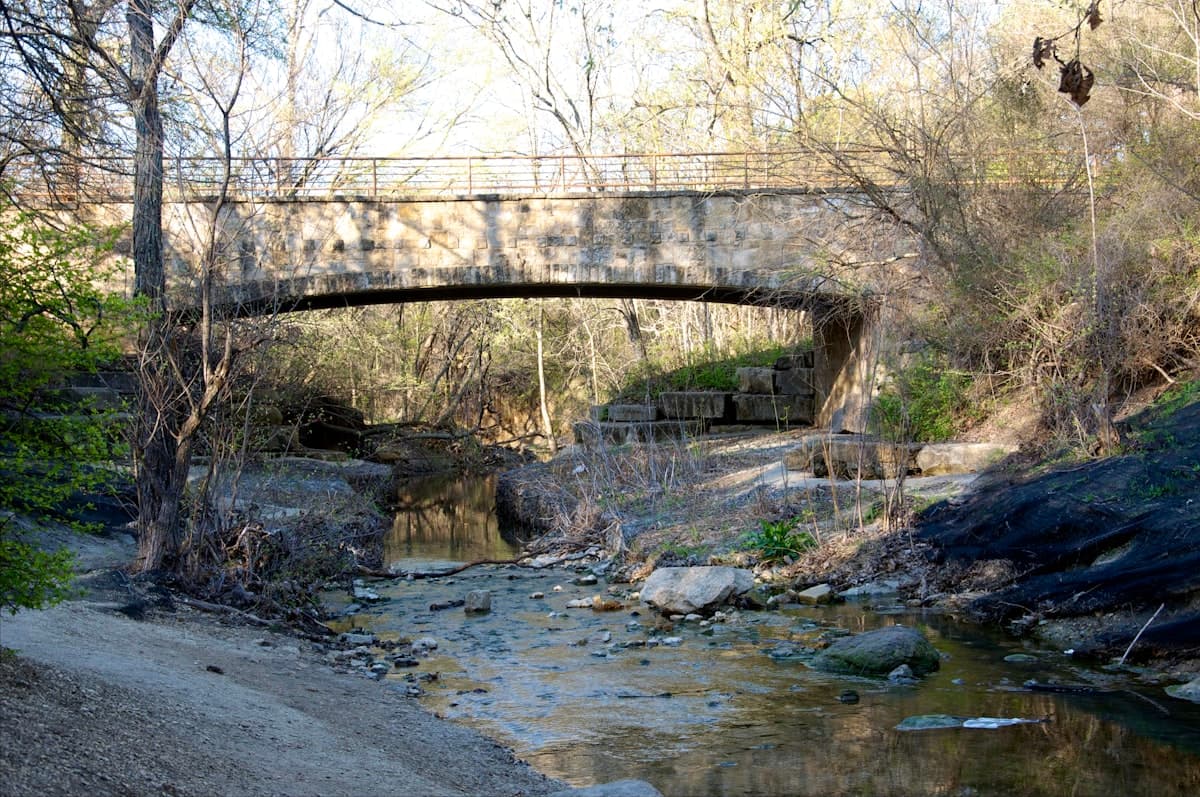
Arbor Hills Nature Preserve
Bridge over creek at Arbor Hills Trail in Plano Texas
Photo by Dan Dennis on Unsplash
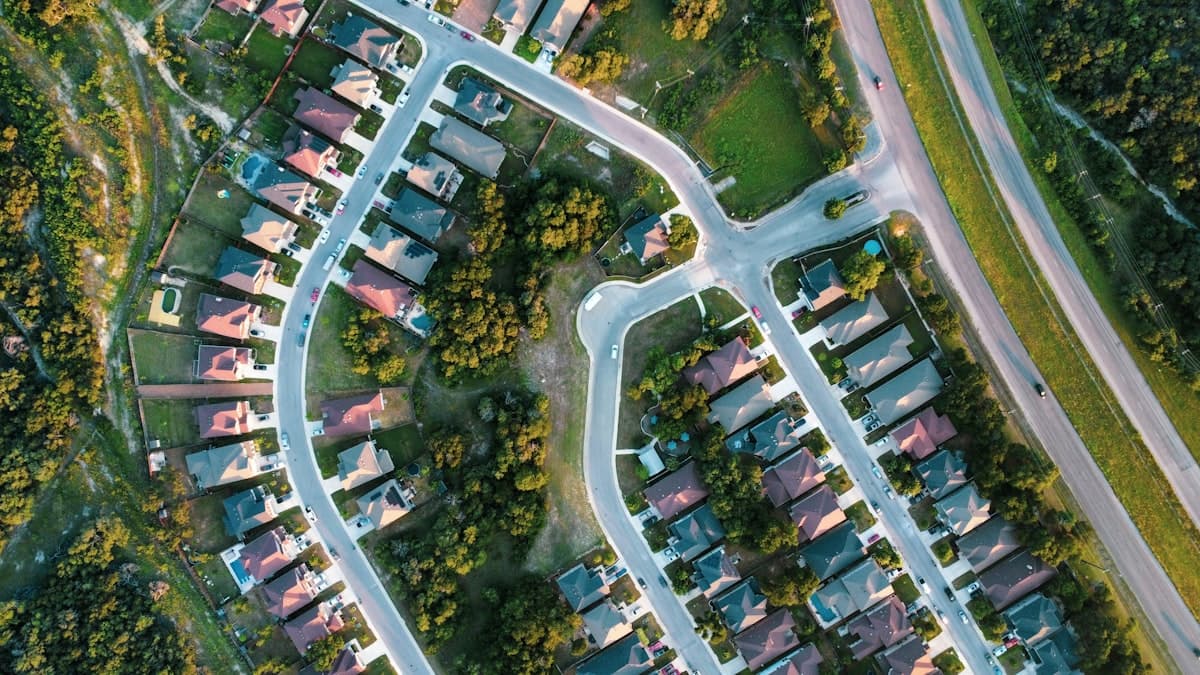
Residential Area
Aerial view of suburban Texas neighborhood with winding streets and residential homes
Photo by Ahnaf Tahsin on Unsplash
Local Climate
Bright sunny Texas sky with sun and white clouds representing summer heat
Photo by engin akyurt on Unsplash
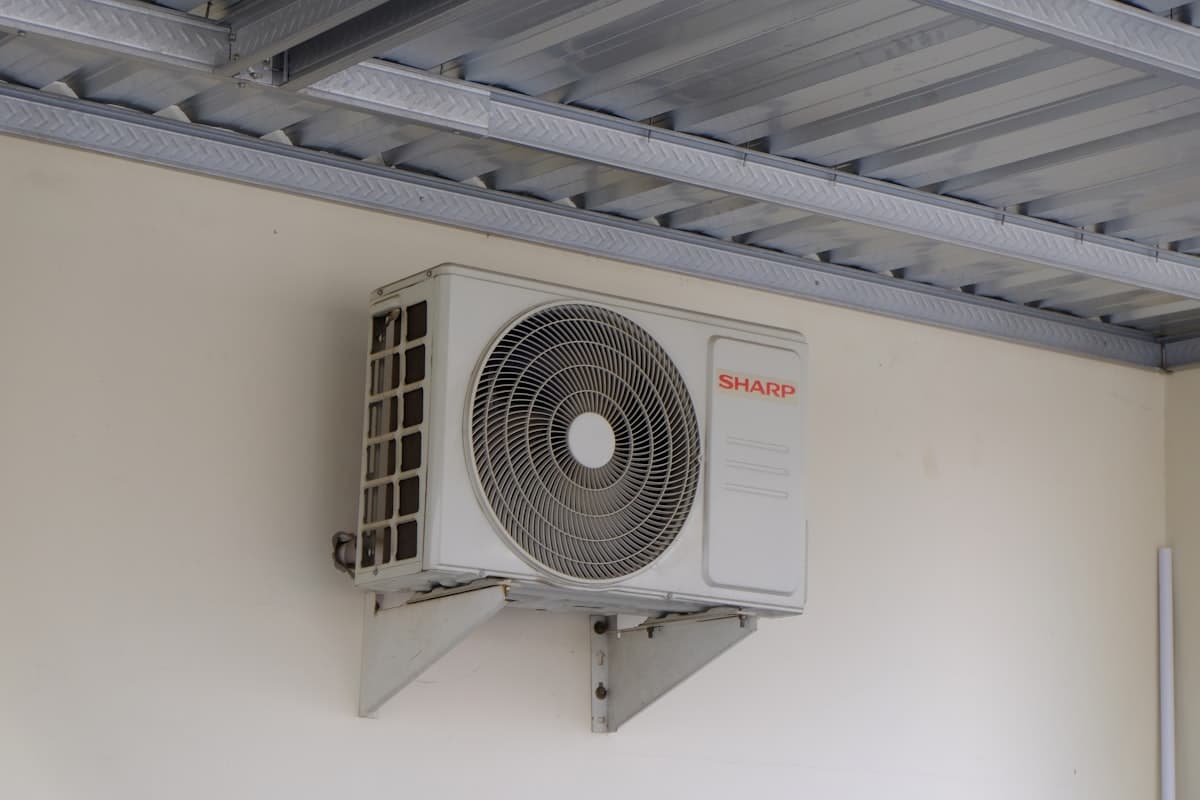
Outdoor air conditioning unit mounted on wall for residential cooling
Photo by Andrianto Cahyono Putro on Unsplash
Frequently Asked Questions
Common questions about emergency HVAC repair in Plano, Texas
Still have questions? Call our 24/7 emergency line.
Call (855) 321-3346More Cities in Texas
Emergency HVAC repair in nearby TX cities
Need Emergency HVAC Repair?
Call now for 24/7 emergency AC and heating repair in Plano, Texas. Licensed, insured professionals available around the clock.
(855) 321-3346 — Emergency Service