Emergency HVAC Repair in San AntonioTexas
24/7 emergency AC and heating repair from certified local technicians in San Antonio, Texas.
Assess Your HVAC Emergency
Identify the severity of your issue and take the right action
Monitor & Schedule
- Weak or uneven airflow
- Unusual noises (buzzing, rattling)
- Thermostat not responding correctly
- Slight temperature inconsistency
Call Today
- No cooling or heating output
- System short-cycling repeatedly
- Strange smells from vents
- Water leaking from unit
Call Now — Emergency
- Gas smell near furnace
- Electrical burning smell
- Complete system failure
- Carbon monoxide alarm triggered
Why HVAC Emergencies Happen in San Antonio
San Antonio's climate puts extreme stress on HVAC systems. Understanding local conditions helps you prevent failures.
Hot, humid summers with temperatures regularly exceeding 100F for extended periods
Triple-digit heat index days common from June through September
AC systems designed to cool only 20 degrees below outdoor temperature struggle above 100F
Best Months
Avoid if Possible
- Texas/South minimum SEER2 is 14.3 for central AC under 45,000 BTUh
- Systems 15.2 SEER2 or higher qualify for higher CPS Energy rebate tiers
- Heat pumps must meet minimum HSPF2 of 7.5 for heating efficiency
- Higher SEER2 ratings (17+) save significant money over 7-8 month cooling season
- Smart thermostats can save 8-15% annually on HVAC energy costs
- CPS Energy offers tiered rebates based on efficiency ratings for qualifying installations
The extended cooling season puts significant strain on HVAC equipment, accelerating wear on compressors, fan motors, and other critical components. AC units are designed to cool homes about 20 degrees below outdoor temperature, so when San Antonio hits 100 degrees or higher, even properly functioning systems struggle to maintain temperatures below 80 degrees inside. Systems in San Antonio typically experience shorter lifespans of 10 to 15 years compared to the national average, making regular maintenance essential rather than optional.
The humidity factor adds another layer of complexity to HVAC performance in San Antonio. Standard air conditioners may cool the air without adequately removing moisture, leaving homes feeling clammy even when the thermostat reads a comfortable temperature. Oversized units compound this problem by cooling quickly without running long enough to properly dehumidify, resulting in short cycling and persistent humidity issues.
While San Antonio winters are generally mild with temperatures typically dropping to around 40 degrees, the city occasionally experiences freezing conditions that require reliable heating capability. Heat pumps have become increasingly popular because they efficiently handle both cooling and heating needs, though dual fuel systems pairing a heat pump with a gas furnace provide added security for those rare but potentially dangerous freezes.
How San Antonio's Climate Affects Materials
Standard A C
Works adequately but may struggle with humidity removal during peak summer
High- S E E R A C
Variable-speed units provide better humidity control for San Antonio climate
Heat Pump
Excellent choice for San Antonio's mild winters; provides year-round comfort efficiently
Dual Fuel System
Best option for handling both extreme summer heat and occasional winter freezes
Your Home Temperature Risk
When your HVAC fails in San Antonio, indoor temperatures can reach dangerous levels
In San Antonio's heat, a broken AC can push indoor temperatures past 100°F within hours. Heat stroke risk increases significantly — especially for children and elderly residents.
(855) 321-3346 — Get Emergency HelpSan Antonio's extreme heat puts HVAC systems under tremendous stress, and breakdowns often happen at the worst possible times during peak summer afternoons when every contractor in the city is fielding emergency calls. AC units working at maximum capacity when outdoor temperatures hit triple digits can fail without warning. Knowing what to do when your system fails, which warning signs indicate serious problems, and how to find reliable 24/7 help can mean the difference between a few hours of discomfort and dangerous heat exposure.
The good news is that San Antonio has numerous reputable HVAC companies offering genuine 24/7 emergency service. Being prepared before an emergency strikes helps you respond quickly and avoid issues with less reputable operators who take advantage of desperate homeowners.
Common signs your AC is struggling include longer cooling cycles where the system runs constantly, inconsistent temperatures from room to room, warmer air blowing from vents, and higher electricity bills because the system is overworking. In San Antonio's heat, these symptoms indicate developing problems that will likely become emergencies if not addressed.
When your AC stops working in extreme heat, take immediate steps to protect your household. Close blinds and curtains to block solar heat gain. Use fans to circulate air and create a wind chill effect. Move to the lowest level of your home where temperatures stay cooler. Stay hydrated and watch for signs of heat exhaustion.
Several San Antonio HVAC companies provide reliable emergency service. Cowboys Air Conditioning and Heating offers 24/7 emergency repairs with fast dispatch and over 20 years of experience. Their response times in the San Antonio area are among the best in the region. Bravo Heating and Air Conditioning provides responsive service with technicians ready to diagnose and repair issues same-day. Air Authority brings NATE-certified technicians and over 22 years of local experience to emergency situations.
Common emergency repairs include capacitor replacement, contactor replacement, refrigerant recharge, and blower motor replacement. Having a trusted contractor relationship established before emergencies occur means faster response when you need help most.
HVAC Systems We Repair in San Antonio
Central air conditioning remains the dominant choice for San Antonio homes, with efficiency ratings playing a critical role in long-term satisfaction. Standard systems meeting minimum SEER2 requirements handle basic cooling needs but may struggle with humidity removal during peak summer months. Higher-efficiency units rated 16 SEER2 and above provide superior humidity control through variable-speed operation, running longer at lower capacity to extract more moisture from the air. These premium systems reduce annual energy consumption by up to 30 percent over an 8-month cooling season while delivering noticeably more comfortable indoor conditions.
Heat pumps have gained significant popularity in San Antonio due to the mild winter climate. Unlike traditional AC and furnace combinations, heat pumps provide both cooling and heating by transferring heat rather than generating it. This makes them remarkably efficient, operating at up to 400 percent efficiency under optimal conditions. For San Antonio's climate where heating needs are minimal and cooling demands are extensive, heat pumps represent an excellent value proposition while qualifying for CPS Energy rebates.
Dual fuel systems combine a heat pump with a gas furnace, offering the best of both worlds for San Antonio's variable weather. The heat pump handles all cooling and most heating needs efficiently, while the gas furnace takes over during occasional freezes when temperatures drop below the heat pump's efficient operating range. These systems provide optimal flexibility and peace of mind for homeowners who experienced the February 2021 freeze.
Ductless mini-split systems offer flexibility for homes without existing ductwork, room additions, or areas needing independent temperature control. These systems provide efficient cooling without ductwork energy losses and allow zone-by-zone temperature management. For any system choice, San Antonio homeowners should prioritize humidity control features and high SEER2 ratings to maximize comfort during the long, hot summers.
HVAC Repair Requirements in San Antonio
Reputable HVAC contractors handle the permitting process as part of their service, pulling necessary permits before work begins and scheduling required inspections upon completion. Processing time varies from same-day for minor repairs to approximately 26 days for more complex projects requiring multi-departmental review. The LSR permit program allows licensed HVAC contractors to complete certain minor projects prior to obtaining the associated permit, streamlining the process for straightforward replacements.
Permit numbers must be provided for all HVAC projects completed within San Antonio city limits, and this documentation is required for CPS Energy rebate eligibility. Most building permits remain valid for 180 days from issuance, providing adequate time for project completion. All HVAC equipment must be installed by contractors holding valid TACLA or TACLB licenses issued by the Texas Department of Licensing and Regulation. Homeowners can verify contractor licensing status online through the TDLR license verification portal at tdlr.texas.gov.
Choosing a HVAC emergency technician in San Antonio
Start by verifying state licensure through the Texas Department of Licensing and Regulation. All HVAC contractors must hold a valid TACLA or TACLB license, and reputable companies readily provide their license number. The TDLR requires contractors to complete 48 months of supervised practical experience and pass a licensing examination before obtaining their license. Look for NATE-certified technicians, which indicates advanced training and competency in HVAC installation and service. Companies like Kidd Mechanical, Bravo Heating and Air Conditioning, Cowboys Air Conditioning, and Air Authority have earned strong reputations in the San Antonio market through consistent quality work and customer service.
Transparent practices distinguish trustworthy contractors from those likely to surprise you with issues. Quality companies provide detailed written estimates after conducting an in-home assessment, not over the phone. They should perform a Manual J load calculation to properly size your system rather than simply recommending the same size unit you currently have. Ask specifically about CPS Energy rebate participation, as registered contractors know the efficiency requirements and handle rebate applications on your behalf.
Check Google reviews focusing on recent feedback with detailed experiences rather than just star ratings. Contractors with 4.5 or higher stars and hundreds of reviews have proven track records. Look for multi-year labor warranties beyond manufacturer equipment warranties, as this demonstrates confidence in installation quality. Finally, confirm 24/7 emergency service availability, which is critical during San Antonio's extreme summer heat when AC failures become urgent safety concerns.
Local Insights
Downtown San Antonio blends commercial HVAC demands with residential lofts and apartments in converted historic buildings, where older systems often need complete modernization to handle the intense summer heat efficiently. The Southside neighborhoods feature diverse housing stock predominantly built between the 1970s and 1990s, meaning many homes are reaching the point where original HVAC equipment needs replacement rather than continued repairs. North San Antonio and Helotes represent the city's growth corridors, where newer construction typically includes modern efficient systems but may feature builder-grade equipment worth upgrading for better humidity control and lower operating costs.
The military community surrounding Lackland Air Force Base, Fort Sam Houston, and Randolph Air Force Base creates a substantial rental market where both property owners and tenants need responsive HVAC service. Service members and their families often face unique scheduling constraints that require contractors offering flexible appointment times and rapid emergency response. Throughout all San Antonio neighborhoods, the combination of extreme summer heat reaching well over 100 degrees and occasional winter freezes demands HVAC systems capable of handling both extremes while controlling the persistent humidity that makes even mild temperatures feel oppressive without proper dehumidification.
If you are experiencing any warning signs of HVAC trouble, schedule service now before the problem becomes an emergency. The best time to discover your system needs repair is during a routine maintenance visit, not at 2 AM during a heat wave. For immediate emergencies, call a licensed contractor offering 24/7 service and confirm their approach before authorizing work. Your comfort and safety during San Antonio's brutal summers should not wait.
Verified HVAC technicians
Certified emergency technicians serving San Antonio, Texas. Available 24/7 for AC and heating emergencies.
Beluga Air
Top-rated on Yelp with consistent 5-star reviews for responsive service
Texas Air Repair
4.9 · 198 reviews
Kidd Mechanical
4.9
Bravo Heating and Air Conditioning
4.9 · 256 reviews
Champion Home Services
4.8
Cowboys Air Conditioning & Heating
4.8
+ 2 more HVAC technicians
More HVAC technicians in San Antonio
Air Authority LLC
Locally owned with NATE-certified technicians; specializes in heat pump conversions
EZ Air Conditioning and Heating
San Antonio HVAC company with transparent policies and prompt service delivery
Ready to Get Started?
Connect with a licensed HVAC emergency technician in San Antonio — available 24/7 for emergencies.
(855) 321-3346 — Emergency ServiceQuick Troubleshooting Guide
Try these steps before calling. If they don't work, we're here 24/7.
Check your thermostat settings
Make sure it's set to the correct mode (heat/cool) and the temperature is set correctly.
If this doesn't work ↓
Inspect your air filter
A clogged filter can restrict airflow and cause your system to overheat or freeze up.
If this doesn't work ↓
Check the circuit breaker
A tripped breaker can cut power to your HVAC system. Reset it and see if the system restarts.
If this doesn't work ↓
Check the outdoor unit
Make sure the outdoor unit is clear of debris and the fan is spinning when the system runs.
Still not working? Call a pro.
(855) 321-3346 — Emergency ServiceComplete San Antonio Emergency HVAC Repair Guide
Everything you need to know about emergency hvac repair in San Antonio. Expand any section for details.
Interior Signs
- Uneven cooling or hot spots throughout the home
- Humidity feels high even when AC is running (clammy feeling)
- Unusual odors when system runs (musty smell indicates mold)
- Weak airflow from vents
- Thermostat not responding or inaccurate readings
- Frequent cycling on and off without maintaining temperature (short cycling)
Exterior Signs
- Strange noises: rattling, banging, screeching, or hissing
- Ice forming on refrigerant lines or evaporator coil
- Water leaking around indoor unit
- Outdoor unit running constantly
- Visible damage or corrosion on outdoor unit
- Rising energy bills without usage changes
- System over 10-15 years old with frequent repairs
25% Rule: Consider replacement if repair frequency increases significantly, if the system is over 10-12 years old with recurring issues, or if major component failures occur on aging equipment. A qualified technician can help assess whether repair or replacement offers better long-term value.
San Antonio at a Glance
Local climate conditions and neighborhoods where HVAC emergencies are most common

Local Landmark
The Alamo historic mission in San Antonio Texas at night
Photo by Gabriel Tovar on Unsplash
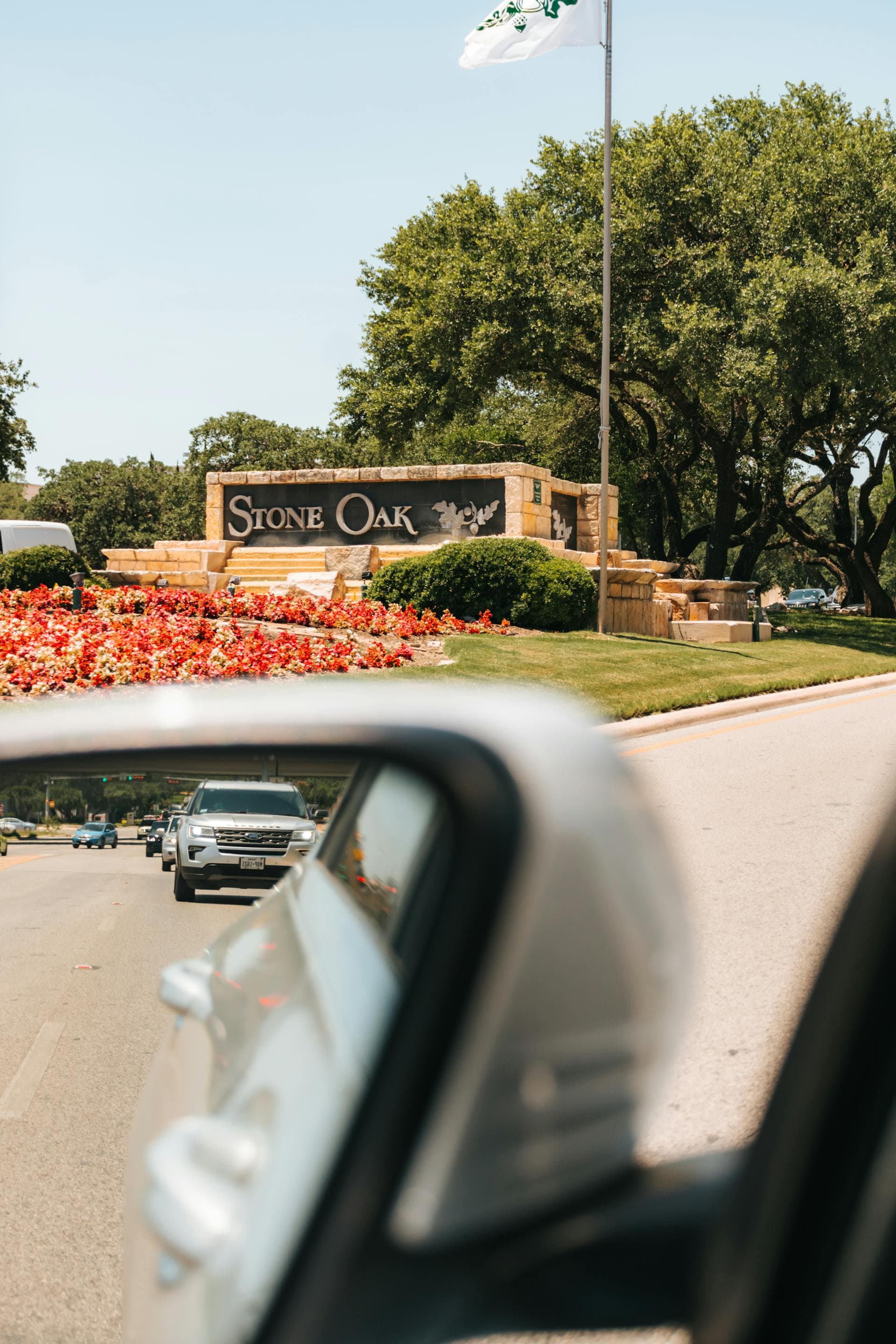
Stone Oak
Stone Oak neighborhood entrance sign in San Antonio Texas
Photo by Henry Becerra on Pexels

Local Landmark
Tower of the Americas in San Antonio Texas at sunset with city skyline
Photo by Judah Estrada on Unsplash
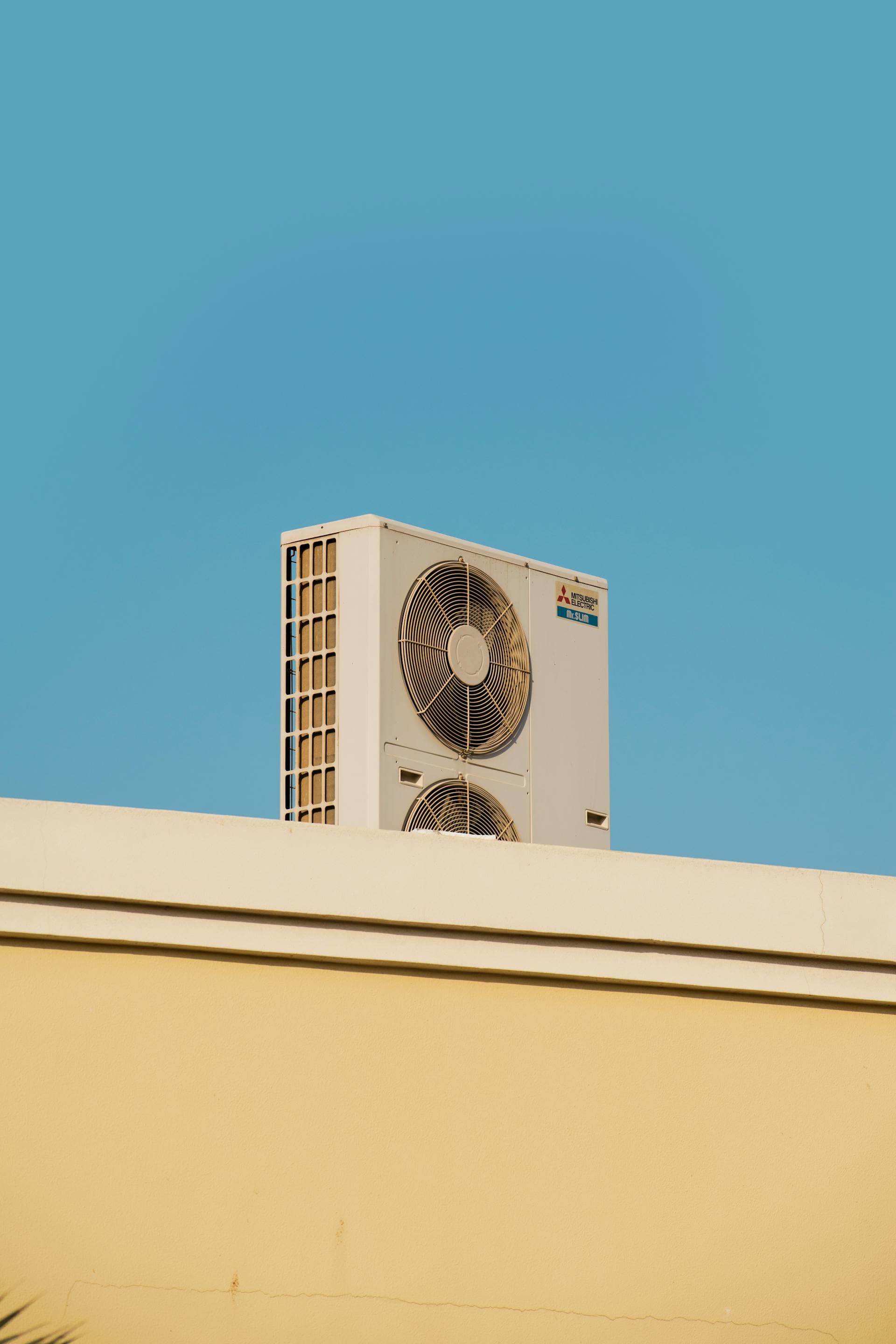
Outdoor air conditioning condenser unit on rooftop against blue sky
Photo by Aboodi on Pexels
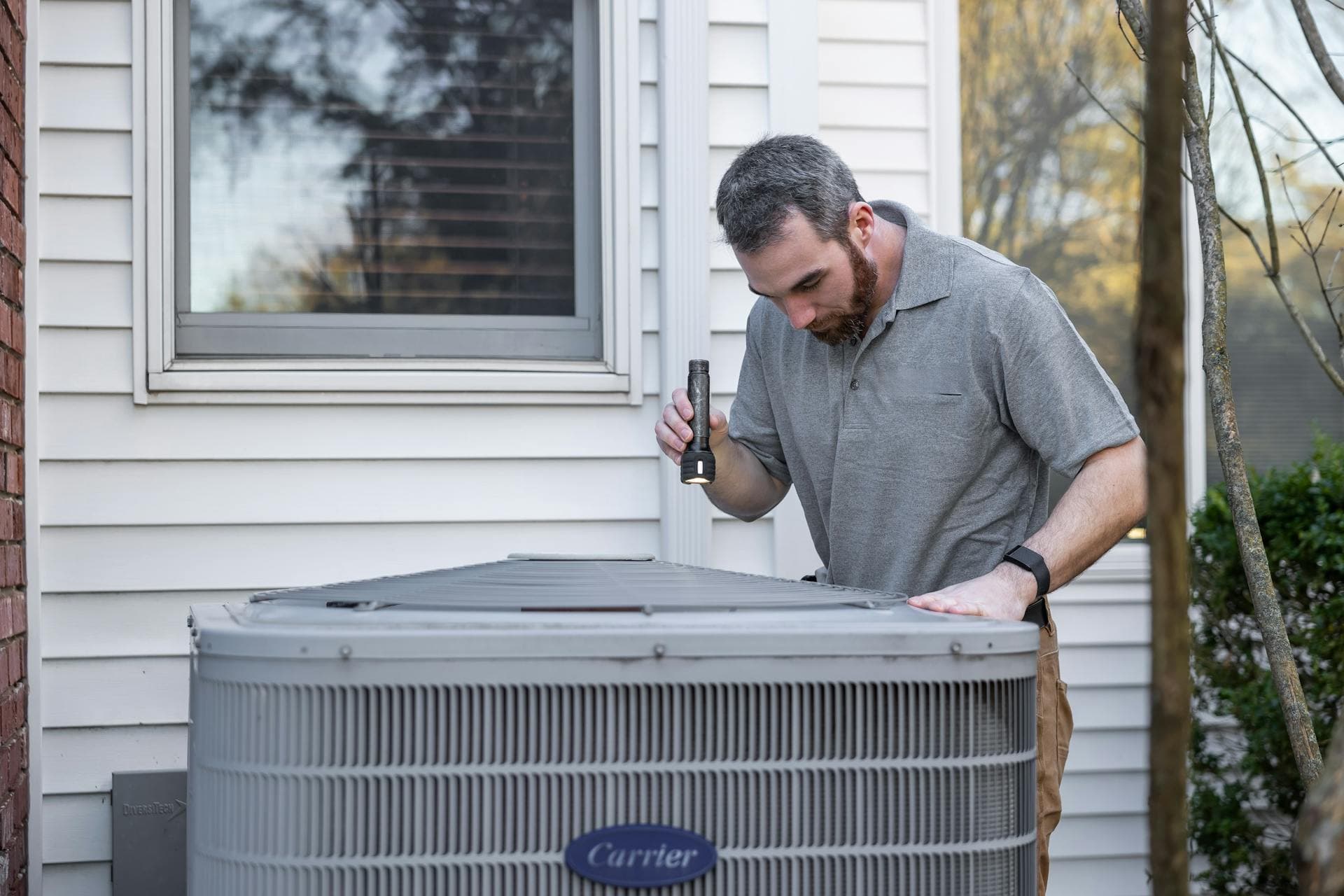
HVAC technician inspecting residential outdoor air conditioning unit
Photo by Kathleen Austin-Kuhn on Pexels
Frequently Asked Questions
Common questions about emergency HVAC repair in San Antonio, Texas
Still have questions? Call our 24/7 emergency line.
Call (855) 321-3346More Cities in Texas
Emergency HVAC repair in nearby TX cities
Need Emergency HVAC Repair?
Call now for 24/7 emergency AC and heating repair in San Antonio, Texas. Licensed, insured professionals available around the clock.
(855) 321-3346 — Emergency Service