Emergency HVAC Repair in Fort WorthTexas
24/7 emergency AC and heating repair from certified local technicians in Fort Worth, Texas.
Assess Your HVAC Emergency
Identify the severity of your issue and take the right action
Monitor & Schedule
- Weak or uneven airflow
- Unusual noises (buzzing, rattling)
- Thermostat not responding correctly
- Slight temperature inconsistency
Call Today
- No cooling or heating output
- System short-cycling repeatedly
- Strange smells from vents
- Water leaking from unit
Call Now — Emergency
- Gas smell near furnace
- Electrical burning smell
- Complete system failure
- Carbon monoxide alarm triggered
Why HVAC Emergencies Happen in Fort Worth
Fort Worth's climate puts extreme stress on HVAC systems. Understanding local conditions helps you prevent failures.
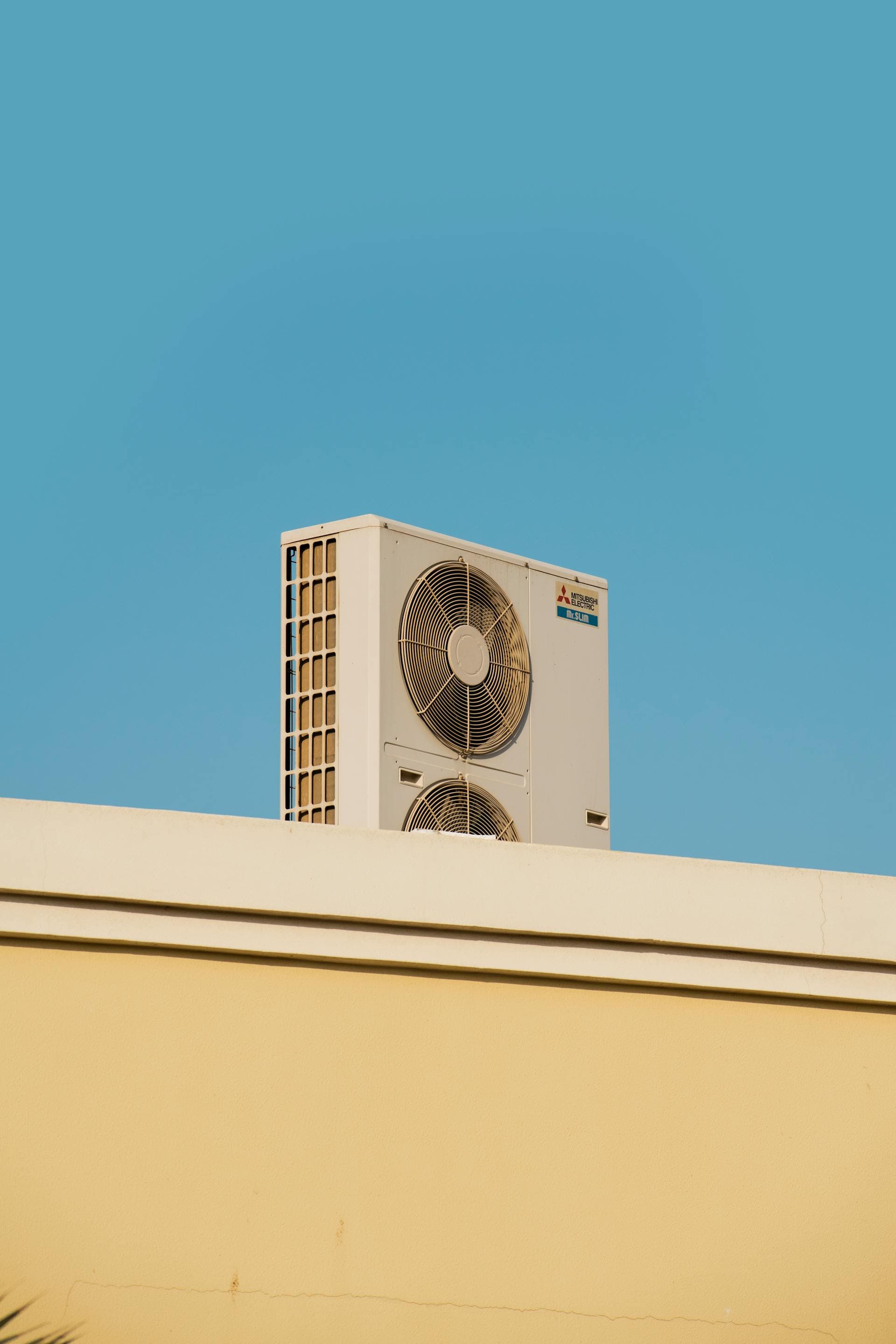
Photo by aboodi vesakaran on Pexels
Extreme summer heat with 58+ days above 95°F annually
2,756 cooling degree days (2.3x national average)
HVAC systems run 2,200+ hours per year vs 1,000-1,400 nationally
Best Months
Avoid if Possible
- SEER2 16+ recommended for Fort Worth's extended cooling season
- Variable-speed systems reduce humidity and save 20-40% on energy
- Proper insulation critical for efficiency in extreme heat
- Smart thermostats eligible for Oncor rebates and help manage peak demand
This extended runtime takes a measurable toll on HVAC equipment. While the national average lifespan for a central air conditioning system is 15-20 years, Fort Worth systems typically last only 10-15 years due to the demanding conditions. Your AC unit accumulates approximately 2,200 operating hours per year compared to just 1,000-1,400 hours in more moderate climates. This accelerated wear affects compressors, motors, and electrical components alike.
Humidity adds another layer of complexity to Fort Worth HVAC performance. During spring and fall, relative humidity levels often reach 55-70%, requiring your system to work harder on dehumidification. This latent cooling load means more energy goes toward moisture removal rather than temperature reduction. An oversized system that short-cycles cannot adequately remove humidity, leaving homes feeling clammy even at comfortable temperature settings.
Winter brings its own considerations for Fort Worth homeowners. While most winter days are mild enough for heat pumps to operate efficiently, the region occasionally experiences Arctic cold fronts that push temperatures well below freezing. The February 2021 winter storm demonstrated the importance of reliable heating backup. This climate variability makes dual fuel systems, which combine heat pump efficiency with gas furnace reliability, an increasingly popular choice for Fort Worth homes seeking year-round comfort without compromise.
How Fort Worth's Climate Affects Materials
central A C
Works hard in Texas heat, expect 25-33% shorter lifespan than national average
heat Pump
Excellent for 90% of Fort Worth weather, may need backup for rare extreme cold
dual Fuel
Ideal for Fort Worth's variable climate, switches between electric and gas as needed
ductwork
Should be inspected regularly; degrades 15-20% faster in Texas heat
Your Home Temperature Risk
When your HVAC fails in Fort Worth, indoor temperatures can reach dangerous levels
In Fort Worth's heat, a broken AC can push indoor temperatures past 100°F within hours. Heat stroke risk increases significantly — especially for children and elderly residents.
(855) 321-3346 — Get Emergency HelpFort Worth's climate makes AC failures more than an inconvenience. With temperatures regularly exceeding 100 degrees from June through August and humidity levels that can make 95 degrees feel like 110, a non-functioning air conditioner constitutes a real emergency. The same applies to heating failures during the occasional Arctic cold snaps that hit North Texas, when temperatures can plunge into the teens or single digits with little warning.
Several reputable Fort Worth HVAC companies offer 24/7 emergency service. Comfort Experts, a family-owned company operating since 1962, maintains technicians on call around the clock and has earned a 4.8-star rating from over 6,000 customer reviews. One Hour Air Conditioning and Texas Total Comfort Systems also provide after-hours emergency response throughout the Fort Worth area. When calling for emergency service, clearly describe your situation so dispatchers can prioritize appropriately.
While waiting for emergency technicians, take steps to protect yourself and minimize damage. If cooling has failed, close blinds to block sunlight, move to the lowest level of your home where it's cooler, and use fans to circulate air. Stay hydrated and consider relocating temporarily if temperatures become dangerous. If you notice water leaking from your system, turn it off at the thermostat and place towels or buckets to prevent floor damage.
Common emergency repairs include failed capacitors, blown contactors, refrigerant leaks, and frozen evaporator coils. Many of these issues can be repaired same-day once a technician arrives with the right parts. However, if your emergency reveals a failed compressor or other major component in an older system, you may face a repair-versus-replace decision. For systems over 10 years old with major component failures, emergency situations often accelerate the timeline for planned system replacement.
HVAC Systems We Repair in Fort Worth
Heat pumps have gained significant popularity in Fort Worth over the past decade, and for good reason. Modern air-source heat pumps operate efficiently in temperatures as low as negative thirteen degrees Fahrenheit, easily handling typical Fort Worth winters. A quality heat pump provides both heating and cooling from a single unit, reducing equipment complexity. The efficiency advantage is substantial: heat pumps operate at three hundred to four hundred percent efficiency during mild weather, compared to even the most efficient gas furnaces at ninety-seven percent AFUE. For the ninety percent of Fort Worth winter days when temperatures stay above freezing, heat pumps deliver significant energy savings.
Dual fuel systems represent the optimal choice for many Fort Worth homeowners seeking the best of both worlds. These systems pair a heat pump with a gas furnace backup, automatically switching between them based on outdoor temperature. The heat pump handles efficient cooling and most heating needs, while the gas furnace activates during the rare extreme cold snaps that occasionally hit North Texas. Dual fuel systems provide unmatched versatility for Fort Worth's variable climate, ensuring comfort regardless of weather conditions.
Ductless mini-split systems serve specific needs exceptionally well in the Fort Worth market. Historic homes in neighborhoods like the Southside, room additions, converted garages, and spaces without existing ductwork all benefit from mini-splits. These systems offer precise temperature control with high efficiency and are excellent for addressing hot spots in homes where the main HVAC system struggles to maintain consistent temperatures, such as bonus rooms over garages or sun-exposed master bedrooms. Variable refrigerant flow technology allows mini-splits to modulate output precisely, reducing energy waste while maintaining optimal comfort levels throughout the day.
HVAC Repair Requirements in Fort Worth
Your licensed HVAC contractor should handle the permit application as part of their standard service. The process is generally straightforward for standard residential replacements, often approved within one to two business days for simple projects. More complex installations or commercial projects may require plan review, extending the timeline to one to two weeks. Permits remain valid for 180 days after issuance, and work must begin within that window. If work stops, the permit expires 180 days after the last inspection.
Inspections are scheduled through the city's online portal or by calling the Development Services Department at (817) 392-6370. Expect inspections at key milestones including rough-in for new ductwork and final inspection for system commissioning. The city has adopted the 2021 International Code Council codes, ensuring installations meet current safety and efficiency standards. Never allow a contractor to skip permits or inspections; this protects your investment and ensures the installation meets safety codes. Unpermitted work can cause problems when selling your home and may void manufacturer warranties.
Choosing a HVAC emergency technician in Fort Worth
Look for contractors with NATE-certified technicians, indicating advanced training in system installation and service. Companies like Comfort Experts, with over 60 years serving Fort Worth and nearly 6,000 reviews, have demonstrated long-term commitment to the community. R10 Heat and Air and Williamson's AC Contracting are other established local options with strong reputations for quality work.
A reputable contractor will perform a Manual J load calculation before providing a quote, properly sizing equipment for your specific home rather than using rules of thumb. They should offer multiple equipment options at different efficiency levels, explain the benefits of each, and help you understand available Oncor rebates and federal tax credits that can significantly reduce your investment.
Be wary of contractors who quote without visiting your home, pressure you with limited-time offers, suggest skipping permits, or quote significantly below competitors. Request written contracts detailing equipment models, warranty terms, and scope of work before authorizing any installation.
Local Insights
North toward the Alliance corridor, newer master-planned communities feature larger homes with modern construction standards, but these properties demand properly sized systems to handle their increased square footage. Many Alliance-area homes exceed 3,000 square feet and benefit from zoned HVAC systems that allow different temperature settings throughout the house. The TCU area presents a mix of circumstances, with renovated bungalows sitting alongside student rentals, each requiring reliable systems that can handle the demands of Texas summers whether occupied by families or college students.
Westover Hills represents Fort Worth's premium residential market, where homeowners typically invest in high-efficiency zoned systems, variable-speed equipment, and smart home integration. These upscale properties often feature multiple HVAC zones and premium brands like Trane or Carrier. Meanwhile, the mid-century homes of Ridglea present excellent opportunities for dual fuel conversions, as their existing ductwork often needs updating anyway, making it an ideal time to upgrade from traditional furnace-only systems to more efficient heat pump combinations.
Throughout Fort Worth, HOA regulations in newer subdivisions may restrict outdoor unit placement and require architectural approval before installation. Understanding your specific neighborhood's requirements before selecting equipment helps avoid delays and ensures your new system meets both comfort needs and community standards.
If you're frequently experiencing emergency repairs, consider whether your system has reached the end of its reliable lifespan. Fort Worth's demanding climate shortens equipment life to 10-15 years. Proactive replacement during mild weather lets you choose equipment carefully rather than making rushed decisions during a crisis. Either way, the key is acting quickly when emergencies occur and relying on licensed professionals who can restore your comfort safely.
Verified HVAC technicians
Certified emergency technicians serving Fort Worth, Texas. Available 24/7 for AC and heating emergencies.
R10 Heat and Air
Offers VIP membership program
Comfort Experts
4.8 · 6073 reviews
Williamson's AC Contracting
4.8
One Hour Heating & Air Conditioning of Fort Worth
4.7
Willard AC & Plumbing
4.7
Texas Total Comfort Systems
4.6
Ready to Get Started?
Connect with a licensed HVAC emergency technician in Fort Worth — available 24/7 for emergencies.
(855) 321-3346 — Emergency ServiceQuick Troubleshooting Guide
Try these steps before calling. If they don't work, we're here 24/7.
Check your thermostat settings
Make sure it's set to the correct mode (heat/cool) and the temperature is set correctly.
If this doesn't work ↓
Inspect your air filter
A clogged filter can restrict airflow and cause your system to overheat or freeze up.
If this doesn't work ↓
Check the circuit breaker
A tripped breaker can cut power to your HVAC system. Reset it and see if the system restarts.
If this doesn't work ↓
Check the outdoor unit
Make sure the outdoor unit is clear of debris and the fan is spinning when the system runs.
Still not working? Call a pro.
(855) 321-3346 — Emergency ServiceComplete Fort Worth Emergency HVAC Repair Guide
Everything you need to know about emergency hvac repair in Fort Worth. Expand any section for details.
Interior Signs
- Inconsistent temperatures between rooms
- Excessive humidity despite AC running
- Strange odors when system operates
- Unusual noises from vents or indoor unit
- Visible dust or debris blowing from vents
- Thermostat readings don't match actual comfort
Exterior Signs
- Outdoor unit making grinding or squealing noises
- Ice forming on refrigerant lines or outdoor coil
- Rust or corrosion on outdoor unit
- Refrigerant leaks (oily residue around connections)
- Unit running constantly without cycling off
- Visible damage from hail or storm debris
25% Rule: If your system is over 10 years old and repair costs exceed 50% of replacement cost, replacement is typically more economical. Also consider replacement if you're facing major component failures like compressor or evaporator coil issues, or if your system uses R-22 refrigerant which is being phased out.
Fort Worth at a Glance
Local climate conditions and neighborhoods where HVAC emergencies are most common

Downtown Fort Worth skyscrapers at twilight
Photo by Talena Reese on Pexels

Local Landmark
Fort Worth Stockyards historic district with Howdy Y'all sign
Photo by Yash Mannepalli on Unsplash
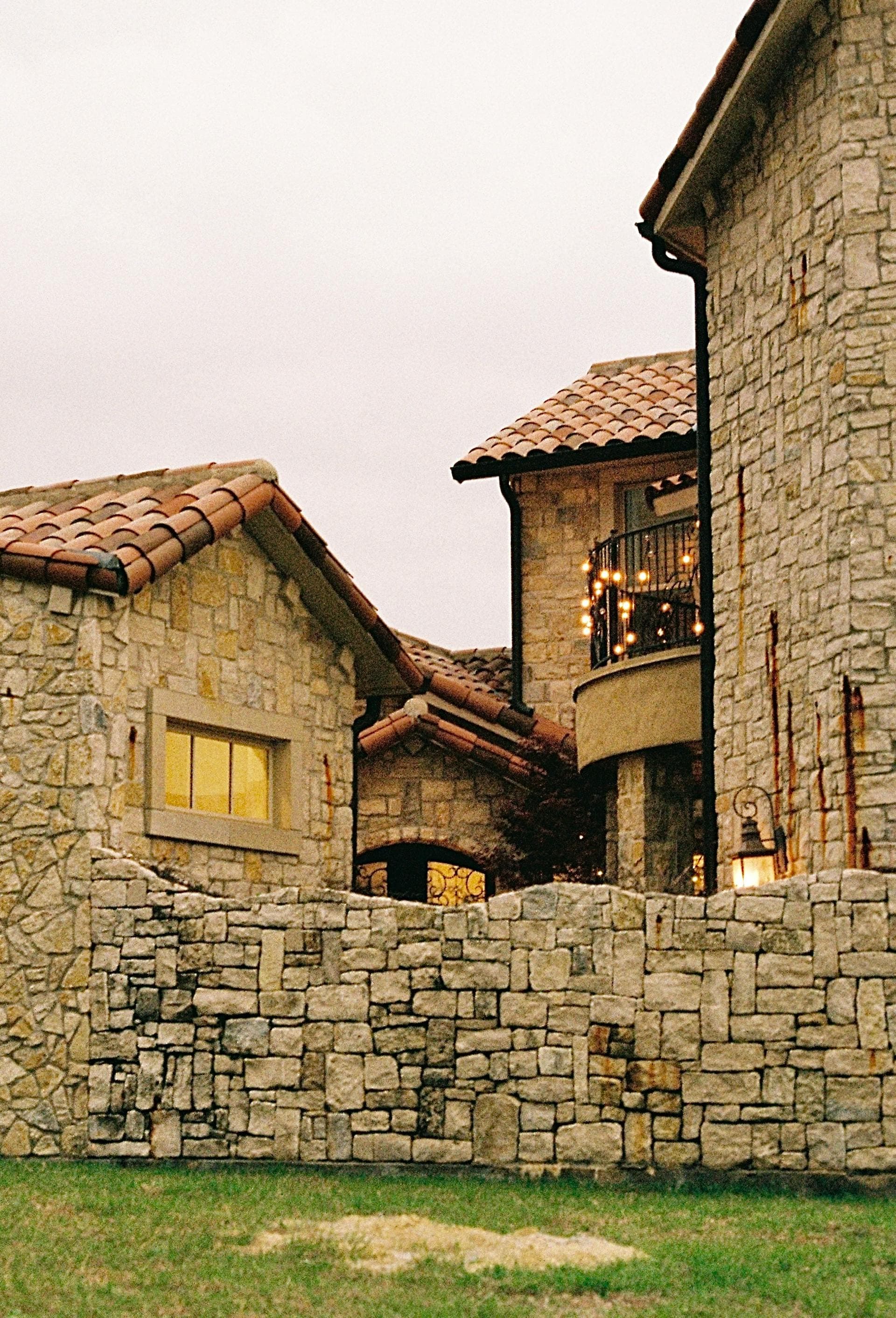
Westover Hills
Luxury stone mansion with tile roof in Dallas-Fort Worth area
Photo by Nuray on Pexels
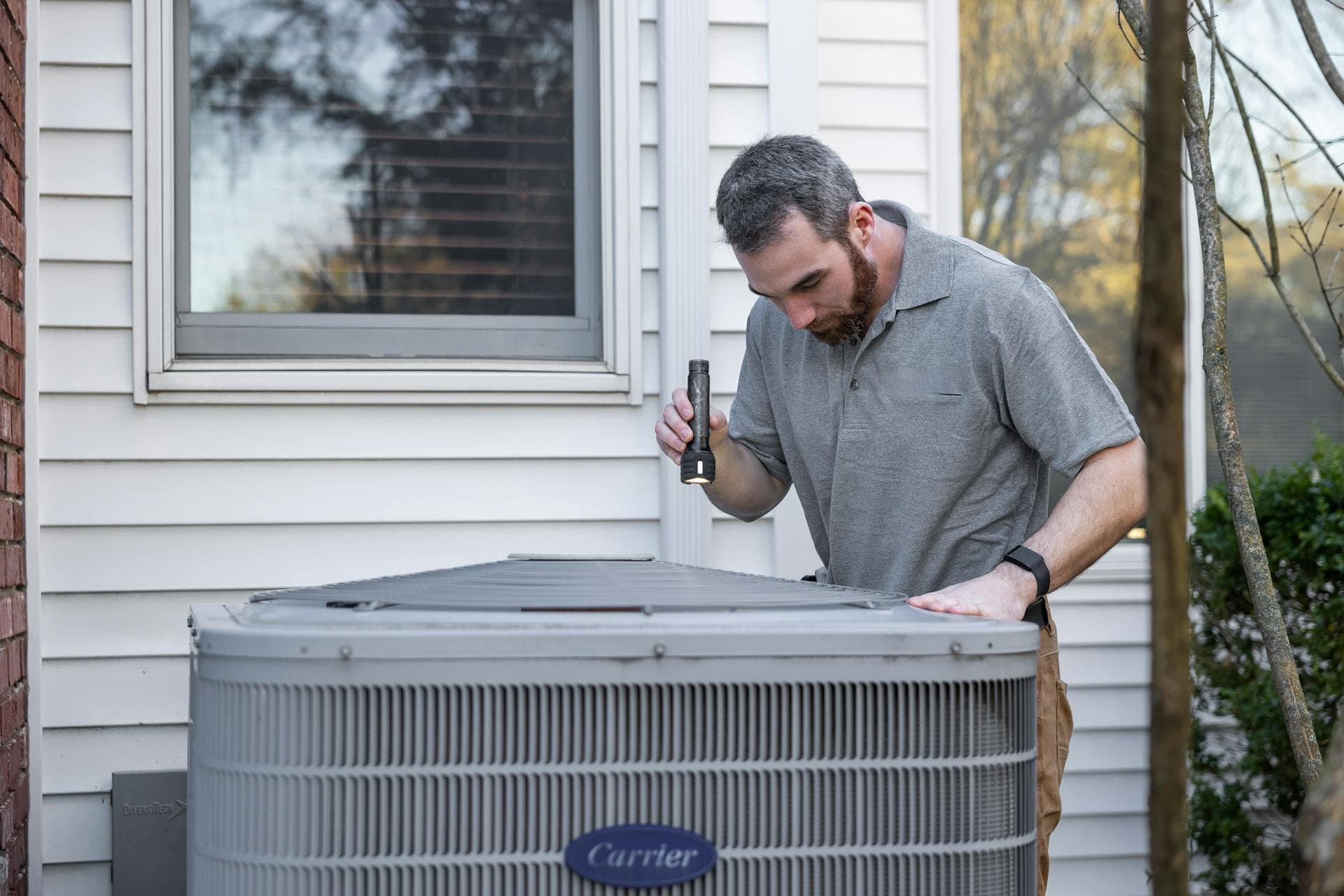
HVAC technician inspecting outdoor Carrier air conditioning unit
Photo by Kathleen Austin Kuhn on Pexels
Local Climate
Modern air conditioning condenser unit on rooftop against blue sky
Photo by aboodi vesakaran on Pexels
Frequently Asked Questions
Common questions about emergency HVAC repair in Fort Worth, Texas
Still have questions? Call our 24/7 emergency line.
Call (855) 321-3346More Cities in Texas
Emergency HVAC repair in nearby TX cities
Need Emergency HVAC Repair?
Call now for 24/7 emergency AC and heating repair in Fort Worth, Texas. Licensed, insured professionals available around the clock.
(855) 321-3346 — Emergency Service