Emergency HVAC Repair in IrvingTexas
24/7 emergency AC and heating repair from certified local technicians in Irving, Texas.
Assess Your HVAC Emergency
Identify the severity of your issue and take the right action
Monitor & Schedule
- Weak or uneven airflow
- Unusual noises (buzzing, rattling)
- Thermostat not responding correctly
- Slight temperature inconsistency
Call Today
- No cooling or heating output
- System short-cycling repeatedly
- Strange smells from vents
- Water leaking from unit
Call Now — Emergency
- Gas smell near furnace
- Electrical burning smell
- Complete system failure
- Carbon monoxide alarm triggered
Why HVAC Emergencies Happen in Irving
Irving's climate puts extreme stress on HVAC systems. Understanding local conditions helps you prevent failures.

Photo by K. Mitch Hodge on Unsplash
Extreme summer heat with temperatures often exceeding 100°F
High humidity levels reducing AC efficiency and causing indoor air quality issues
Unpredictable winter cold snaps straining heating systems
Best Months
Avoid if Possible
- SEER2 rating of 16+ recommended for Irving's hot summers
- Variable-speed technology provides better humidity control
- Smart thermostats help manage energy during peak demand
- Proper insulation and duct sealing maximize HVAC efficiency
- Oncor rebates available for high-efficiency installations
High humidity compounds the summer heat challenge. Dallas-Fort Worth area humidity levels can make indoor environments uncomfortable even when thermostats are set at reasonable temperatures. This moisture in the air forces AC systems to work harder to remove humidity while cooling, reducing overall efficiency and potentially leading to mold growth if systems cannot adequately dehumidify. Variable-speed compressors and properly sized equipment help address this challenge by running longer at lower speeds to remove more moisture.
While Irving's winters are generally mild, the region experiences occasional cold snaps that can drop temperatures into the teens or single digits, as residents experienced during the February 2021 winter storm. These events strain heating systems that may not be designed for extreme cold, making dual-fuel systems an increasingly popular choice. A dual-fuel configuration pairs an efficient heat pump for typical mild winters with a gas furnace backup for the coldest days, providing both efficiency and reliability.
The transitional months of spring and fall offer ideal windows for HVAC installation and maintenance. March, April, October, and November provide moderate temperatures that allow contractors to work efficiently while testing both heating and cooling functions. Scheduling major work during these periods often means better availability compared to emergency summer replacements when demand peaks.
How Irving's Climate Affects Materials
Central A C
Essential for 6-7 months; high SEER2 ratings critical for managing cooling demands
Heat Pumps
Excellent choice for mild winters; dual-fuel systems recommended for cold snaps
Gas Furnace
Good backup for extreme cold but less efficient for typical mild winters
Ductless Mini- Split
Energy-efficient for zoned cooling in larger homes
Your Home Temperature Risk
When your HVAC fails in Irving, indoor temperatures can reach dangerous levels
In Irving's heat, a broken AC can push indoor temperatures past 100°F within hours. Heat stroke risk increases significantly — especially for children and elderly residents.
(855) 321-3346 — Get Emergency HelpRecognizing the signs of impending HVAC failure can sometimes prevent emergencies, but when breakdowns happen without warning, knowing which Irving contractors offer 24/7 emergency service and understanding what to expect can reduce stress during an already difficult situation. Several reputable local companies, including Spencer Air Conditioning & Heating, provide round-the-clock emergency response throughout the Irving area.
While waiting for emergency service, take steps to protect your family and minimize system damage. Turn off the system at the thermostat if it's making unusual noises or producing strange smells. Close blinds and curtains to reduce solar heat gain. If the system stopped cooling, open windows during cooler evening hours. Move family members, especially vulnerable individuals, to the coolest area of your home or consider temporary relocation if temperatures become dangerous.
For sudden failures after storms or extreme weather, document any visible damage before technicians arrive, as this information helps with insurance claims and diagnosis. Check that the outdoor unit has power and that breakers haven't tripped. Sometimes a simple breaker reset resolves the issue, but if breakers trip repeatedly, stop resetting them and call for professional help, as this indicates an electrical problem.
Emergency service rates typically include after-hours premiums compared to standard service calls. However, reputable Irving contractors like Spencer Air Conditioning provide transparent emergency service and focus on getting your system running as quickly as possible. When calling for emergency service, clearly describe the symptoms, when the problem started, and any unusual circumstances like recent storms or power outages.
HVAC Systems We Repair in Irving
Heat pumps have gained significant popularity throughout the Dallas-Fort Worth area because they excel in the region's predominantly mild climate. Modern heat pumps efficiently provide both cooling and heating by transferring heat rather than generating it through combustion. In Irving's climate where heating demands are minimal, heat pumps deliver excellent year-round efficiency. These systems work like an air conditioner in summer and reverse the process in winter, making them versatile single-system solutions. Heat pumps also qualify for federal tax credits, adding value beyond their operational efficiency.
Dual-fuel systems represent the optimal configuration for Irving homeowners concerned about extreme cold snaps like the February 2021 winter storm. These setups combine a heat pump for primary heating and cooling with a gas furnace that activates only when temperatures drop below the heat pump's efficient operating range, typically around 30-35 degrees Fahrenheit. While dual-fuel systems require a larger initial investment, they provide peace of mind during rare but significant cold weather events while maintaining superior efficiency during typical mild winters.
Central air conditioning paired with a gas furnace remains the traditional HVAC configuration in many Texas homes. This setup offers straightforward operation and reliable performance, particularly appealing to homeowners comfortable with conventional technology. For Irving homes where the furnace sees limited use, this configuration delivers dependable cooling through the long summer months.
Ductless mini-splits serve specialized needs in Irving homes, providing targeted climate control for additions, converted garages, home offices, or rooms where the main system struggles to maintain consistent temperatures. These units are highly efficient and allow individual zone control, making them excellent supplements to whole-home systems. For areas with humidity concerns, mini-splits also help manage moisture in problem rooms.
Efficiency ratings directly impact operating performance and utility rebate eligibility. The minimum SEER2 rating in Texas is now 15, but upgrading to 16 SEER2 or higher unlocks Oncor rebates. Premium systems rated at 20+ SEER2 deliver the best efficiency and can reduce cooling demands significantly compared to minimum efficiency equipment. Given Irving's extended seven-month cooling season, higher efficiency investments typically provide substantial long-term value through reduced energy consumption.
HVAC Repair Requirements in Irving
The City of Irving uses the MGO Connect online portal for permit applications and inspection scheduling. Contractors typically handle permit filing as part of their installation service, streamlining the process for homeowners. Once a permit is issued, inspections can be scheduled through the same MGO portal, with a 6 AM cutoff for same-day inspection requests. Most residential HVAC installations require a final inspection to verify proper installation and code compliance. Processing times typically range from same-day approval to three to five business days depending on project complexity.
All HVAC contractors in Texas must be licensed through the Texas Department of Licensing and Regulation (TDLR). Before hiring, verify your contractor's TACL license number through the TDLR website at tdlr.texas.gov. The TDLR requires contractors who install, repair, or maintain air conditioning, refrigeration, or heating systems to hold proper licensing. Licensed contractors carry insurance and are accountable for meeting installation standards, protecting homeowners from liability and ensuring manufacturer warranty coverage remains valid. Commercial installations may require additional engineering review and documentation.
Choosing a HVAC emergency technician in Irving
Request multiple quotes and ensure each contractor performs an in-home assessment rather than quoting over the phone. Proper sizing requires a Manual J load calculation that accounts for your home's square footage, insulation, windows, and orientation. Be wary of contractors who significantly underbid competitors, as they may cut corners on installation quality or use inferior equipment.
Warranty terms reveal contractor confidence in their work. Reputable installers offer 10-year parts and labor warranties, while less reliable companies may provide only one-year labor coverage. Ask specifically about labor warranty duration and what it covers. Also confirm the contractor will assist with Oncor rebate applications and provide necessary documentation for federal tax credits. Companies like Bridges Air offer extended warranties and financing options.
Review recent customer feedback on Angi, Google, and the Better Business Bureau before making a decision. Pay attention to how contractors respond to negative reviews, as this indicates their commitment to resolving issues. Finally, get all quotes in writing with itemized breakdowns of equipment, labor, permits, and any additional work such as ductwork modifications.
Local Insights
Valley Ranch, one of the Dallas-Fort Worth area's original master-planned communities, presents a different set of considerations. This established neighborhood features homes ranging from the 1980s to recent construction, creating varied HVAC needs from aging system replacements to modern high-efficiency upgrades. Valley Ranch homeowners should note that their HOA may have specific guidelines regarding outdoor unit placement and screening, making it important to verify requirements before installation. The mix of home ages means contractors frequently encounter older ductwork that may need sealing or replacement to maximize new equipment efficiency.
North Irving's established neighborhoods contain many of the city's traditional single-family homes, often built in the 1960s through 1980s. These properties frequently need comprehensive duct evaluation as part of any HVAC replacement, since original ductwork may be undersized for modern high-efficiency systems or show decades of wear. South Irving offers more affordable housing options with a mix of residential and light commercial or industrial zones, where practical, budget-conscious HVAC solutions often make the most sense. Throughout all neighborhoods, the February 2021 winter storm experience has made dual-fuel systems and backup heating options increasingly popular as homeowners seek protection against future extreme weather events.
When emergencies do occur, Irving homeowners have access to experienced 24/7 HVAC professionals. Keep the contact information for a trusted contractor like Spencer Air Conditioning or Rescue Air readily available. Fast response can mean the difference between a quick repair and extensive damage, protecting both your comfort and your investment in your home's HVAC system.
Verified HVAC technicians
Certified emergency technicians serving Irving, Texas. Available 24/7 for AC and heating emergencies.
4 Seasons AC and Heating Group, LLC
Family-owned, built on honesty and integrity, free onsite estimates
Rescue Air, LLC
4.92 · 209 reviews
Bridges Air, LLC
4.87 · 138 reviews
American Air-Customs, Inc.
4.81 · 261 reviews
Team Enoch HVAC DFW
4.81 · 511 reviews
Spencer Air Conditioning & Heating
4.8 · 13000 reviews
+ 2 more HVAC technicians
More HVAC technicians in Irving
The Right Choice Texas
Specializes in commercial HVAC for Irving businesses, offers same-day emergency repair
Express Mechanical AC & Heating
Serves Irving and DFW area, comprehensive FAQ resources for homeowners
Ready to Get Started?
Connect with a licensed HVAC emergency technician in Irving — available 24/7 for emergencies.
(855) 321-3346 — Emergency ServiceQuick Troubleshooting Guide
Try these steps before calling. If they don't work, we're here 24/7.
Check your thermostat settings
Make sure it's set to the correct mode (heat/cool) and the temperature is set correctly.
If this doesn't work ↓
Inspect your air filter
A clogged filter can restrict airflow and cause your system to overheat or freeze up.
If this doesn't work ↓
Check the circuit breaker
A tripped breaker can cut power to your HVAC system. Reset it and see if the system restarts.
If this doesn't work ↓
Check the outdoor unit
Make sure the outdoor unit is clear of debris and the fan is spinning when the system runs.
Still not working? Call a pro.
(855) 321-3346 — Emergency ServiceComplete Irving Emergency HVAC Repair Guide
Everything you need to know about emergency hvac repair in Irving. Expand any section for details.
Interior Signs
- Inconsistent temperatures between rooms
- Excessive humidity even when AC is running
- Unusual musty or burning odors from vents
- Frequent thermostat adjustments needed
- Visible dust or debris blowing from vents
- Increased allergy symptoms indoors
Exterior Signs
- Outdoor unit making loud or unusual noises
- Ice forming on refrigerant lines
- Visible rust or corrosion on equipment
- Refrigerant leaks (oily residue around unit)
- Outdoor unit running constantly
- Tripped breakers or blown fuses
25% Rule: Consider replacement if your system is 10+ years old and repairs represent a significant portion of a new system's value. Also consider replacement if you're using R-22 refrigerant (phased out), experiencing frequent breakdowns, or your energy bills have increased significantly despite maintenance.
Irving at a Glance
Local climate conditions and neighborhoods where HVAC emergencies are most common
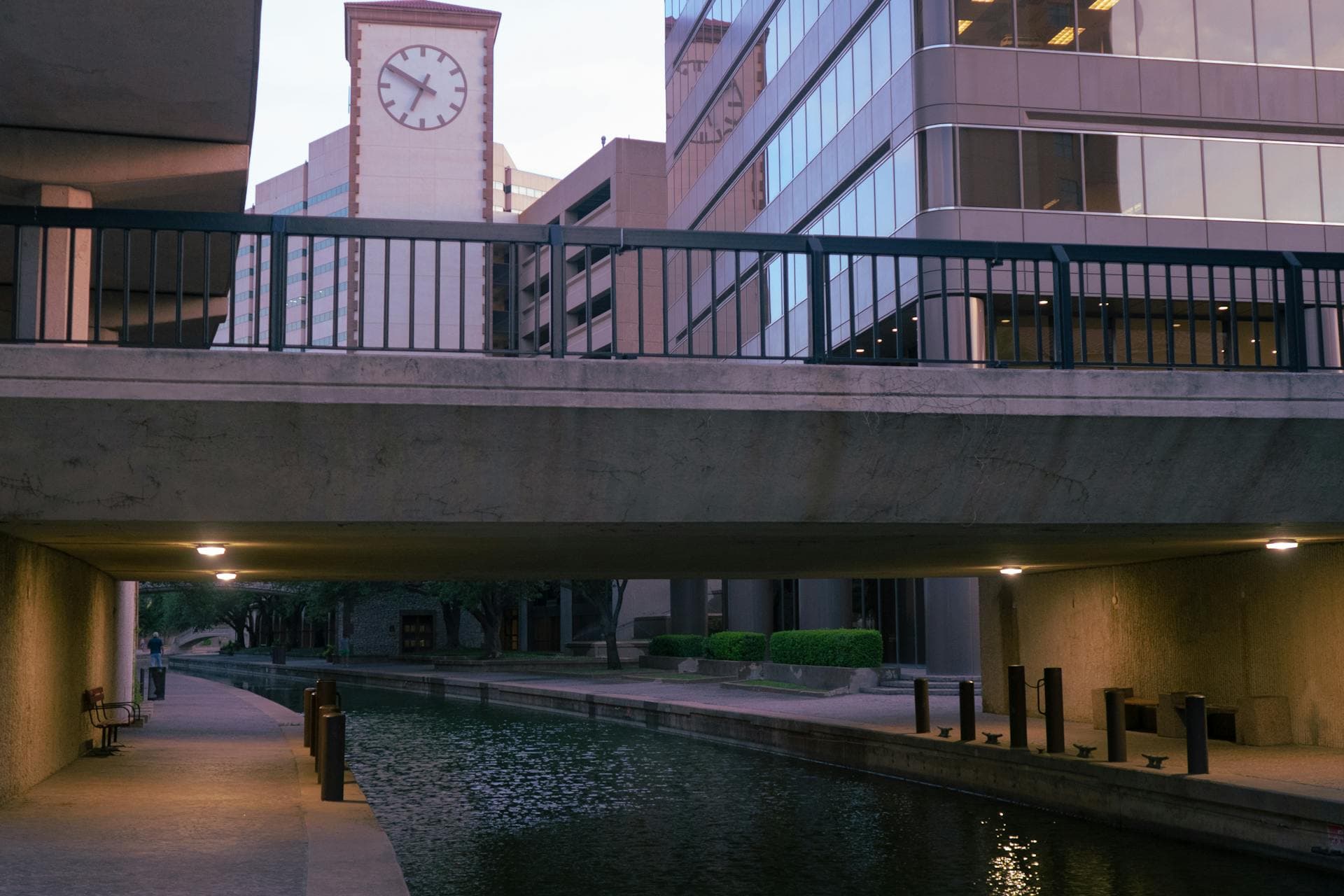
Las Colinas
Las Colinas canal with clock tower and modern office buildings in Irving, Texas
Photo by roshan thapa on Pexels
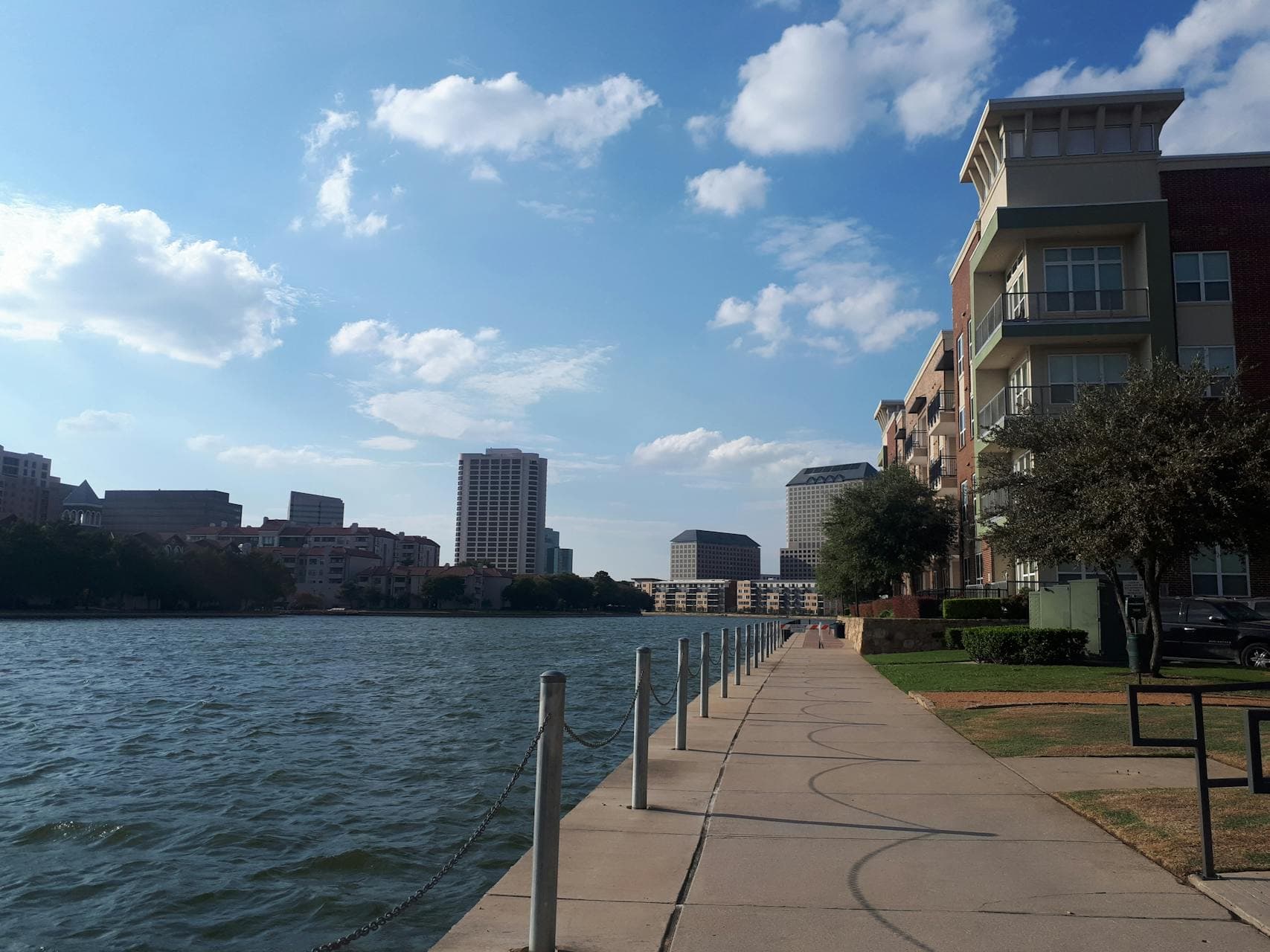
Valley Ranch
Riverside urban pathway with cityscape view in Irving, Texas
Photo by Akshata Rajesh Ram on Pexels

Residential Area
Aerial view of suburban residential neighborhood with winding streets
Photo by Ahnaf Tahsin on Unsplash
Local Climate
Texas ranch house with dry grass showing hot summer conditions near Dallas
Photo by K. Mitch Hodge on Unsplash

Local Landmark
Aerial view of downtown Dallas skyline at sunset
Photo by Mark Patterson on Unsplash
Frequently Asked Questions
Common questions about emergency HVAC repair in Irving, Texas
Still have questions? Call our 24/7 emergency line.
Call (855) 321-3346More Cities in Texas
Emergency HVAC repair in nearby TX cities
Need Emergency HVAC Repair?
Call now for 24/7 emergency AC and heating repair in Irving, Texas. Licensed, insured professionals available around the clock.
(855) 321-3346 — Emergency Service