Emergency HVAC Repair in TampaFlorida
24/7 emergency AC and heating repair from certified local technicians in Tampa, Florida.
Assess Your HVAC Emergency
Identify the severity of your issue and take the right action
Monitor & Schedule
- Weak or uneven airflow
- Unusual noises (buzzing, rattling)
- Thermostat not responding correctly
- Slight temperature inconsistency
Call Today
- No cooling or heating output
- System short-cycling repeatedly
- Strange smells from vents
- Water leaking from unit
Call Now — Emergency
- Gas smell near furnace
- Electrical burning smell
- Complete system failure
- Carbon monoxide alarm triggered
Why HVAC Emergencies Happen in Tampa
Tampa's climate puts extreme stress on HVAC systems. Understanding local conditions helps you prevent failures.

Photo by Forrest Moreland on Unsplash
Year-round humidity averaging 70-80% forces AC systems to work overtime
Hot summers with temperatures often exceeding 90°F for months
10+ month cooling season with AC running nearly year-round
Best Months
Avoid if Possible
- Florida minimum SEER requirement is 15 (SEER2 14.3)
- TECO rebates available for 16+ SEER systems
- Recommended thermostat setting: 78°F when home in summer
- Energy Star estimates 20% savings with high-efficiency systems
- Variable-speed systems save energy by adjusting to demand
The relentless humidity does more than make things feel sticky - it forces your HVAC system to perform double duty. Your air conditioner must not only lower the temperature but also extract moisture from the air to achieve true comfort. This constant demand accelerates wear on system components and makes proper sizing absolutely critical. An oversized unit will cool quickly but fail to run long enough to adequately dehumidify, leaving your home feeling clammy despite a lower thermostat reading.
Tampa's proximity to the Gulf of Mexico adds another consideration: salt air. Homes within a few miles of the coast experience accelerated corrosion on outdoor HVAC components. Units in these areas benefit from corrosion-resistant coatings and more frequent maintenance to prevent premature failure. Hurricane season from June through November also impacts HVAC planning, as power outages and potential storm damage make reliable equipment and emergency service relationships essential.
Winter in Tampa is mild, with average temperatures around 64 degrees, meaning heating needs are minimal but not nonexistent. This makes heat pumps an ideal choice for the region since they efficiently handle both cooling and occasional heating. The consistent ground temperatures in Florida also make geothermal systems viable, though their higher upfront investment and limited installer availability keep them less common than conventional options.
How Tampa's Climate Affects Materials
standard A C
Must handle continuous operation; humidity control critical
heat Pump
Ideal choice - provides both cooling and minimal heating needs
ductless Mini Split
Excellent humidity control with zoned cooling capability
geothermal
Limited availability but extremely efficient in Florida's stable ground temperatures
Your Home Temperature Risk
When your HVAC fails in Tampa, indoor temperatures can reach dangerous levels
In Tampa's heat, a broken AC can push indoor temperatures past 100°F within hours. Heat stroke risk increases significantly — especially for children and elderly residents.
(855) 321-3346 — Get Emergency HelpEmergency HVAC situations demand immediate action, whether you are dealing with a complete system failure, refrigerant leak, or electrical issue that poses safety risks. Understanding what constitutes a true emergency, how to protect your home while waiting for service, and which Tampa contractors offer reliable around-the-clock response helps you act decisively when problems strike.
While waiting for emergency service in Tampa's heat, take immediate steps to protect your household. Close blinds and curtains to block solar heat gain. Use fans to circulate air and create a wind-chill cooling effect. Move to the lowest level of your home where temperatures are naturally cooler. Stay hydrated and watch for signs of heat exhaustion. If you have vulnerable family members, consider temporarily relocating to a friend's home or a cooling center.
Tampa offers several options for emergency HVAC service. Companies like Fairway Heating and Cooling provide around-the-clock emergency response, while established contractors like Northside Services and Guardian Heating and Air maintain emergency service capabilities. Emergency service calls carry premium rates compared to standard appointments, but the premium buys immediate response when you need it most. Keep your preferred contractor's emergency number saved in your phone before problems occur.
Many emergency situations trace back to preventable causes. Refrigerant leaks often develop gradually before causing complete failure. Capacitors and contactors wear out over time and can be replaced during routine maintenance. Clogged condensate drains are extremely common in Tampa's humidity and can trigger safety shutoffs. Regular maintenance catches these issues before they strand you without cooling on the hottest day of the year.
HVAC Systems We Repair in Tampa
Central air conditioning remains the most common choice for Tampa homes, providing whole-house cooling through existing ductwork. Modern central AC units with SEER ratings of 16 or higher deliver efficient cooling while meeting Florida's minimum efficiency requirements. The key to success with central AC in Tampa lies in proper sizing and ensuring your ductwork is well-sealed since leaky ducts in hot attic spaces can waste a significant portion of cooled air. Variable-speed compressors offer superior humidity management compared to single-stage units, running longer at lower speeds to extract more moisture from indoor air.
Heat pumps represent the optimal choice for many Tampa homeowners because they excel at both cooling and the occasional heating needed during mild winters. Variable-speed heat pumps are particularly well-suited to Tampa's climate as they modulate output to match demand, running longer at lower speeds to better control humidity. Heat pumps eliminate the need for separate heating equipment and deliver superior moisture management compared to cooling-only systems. Their dual functionality makes them exceptionally practical for Florida's climate profile.
Ductless mini-split systems offer excellent flexibility for homes without existing ductwork, room additions, or areas needing independent temperature control. These systems avoid duct losses entirely and allow zone-by-zone temperature management, enabling different comfort settings throughout your home. Their superior humidity control makes them particularly effective in Tampa's muggy climate, and they operate quietly with minimal visual impact when properly installed.
Geothermal systems, while less common in Tampa, offer the highest efficiency by using stable underground temperatures for heat exchange. Florida's consistent ground temperatures make geothermal particularly effective, with operating energy requirements substantially lower than conventional systems. Limited installer availability in the Tampa market means homeowners interested in geothermal should plan well ahead and expect a longer installation timeline, but the long-term efficiency benefits can be substantial for those willing to invest.
HVAC Repair Requirements in Tampa
Your licensed HVAC contractor will typically handle the entire permit process, including application submission and scheduling required inspections. Permits generally process within one to three business days in Tampa, making the timeline relatively quick compared to more complex building projects. The contractor should include all permit-related activities in your project timeline and coordinate the required mechanical final inspection upon completion.
Skipping permits might seem like a shortcut, but the risks far outweigh any perceived convenience. Unpermitted work can result in city fines and stop-work orders, denial of future insurance claims related to HVAC issues, and complications when selling your home. Florida does allow an owner-builder exemption for homeowners who want to pull their own permits, but this transfers full legal and financial liability to you and comes with restrictions on selling the property within one year. For most homeowners, working with a licensed contractor who handles permitting is the safest and most practical approach.
Choosing a HVAC emergency technician in Tampa
Get multiple quotes from at least three contractors, but be wary of quotes significantly below market rates. A proper quote should include a detailed load calculation to determine correct system sizing, not just a quick square footage estimate. Reputable Tampa contractors like ExcelsiAir AC and Heat or OEL Heating and Cooling will walk you through options without high-pressure tactics.
Verify that your contractor will pull all required permits and schedule inspections - this protects both your investment and your warranty coverage. Ask about warranties on both equipment and labor, and get everything in writing. Quality contractors offer maintenance plans that help prevent the humidity-related issues common in Tampa, such as condensate drain clogs and mold growth in ductwork. Finally, check for manufacturer certifications like Carrier or Trane dealer status, which indicate advanced training and access to better warranty support.
Local Insights
New Tampa represents the opposite end of the spectrum, featuring newer construction with modern HVAC infrastructure already in place. However, the area's rapid growth means high demand for HVAC services, so scheduling installations during off-peak seasons becomes especially important. Brandon maintains a suburban single-family focus with standard residential systems being the norm, making it relatively straightforward for contractors to provide accurate quotes and efficient service.
Town 'n' Country presents an interesting mix of older and newer homes, resulting in highly variable system ages and needs across the neighborhood. Homeowners here may find their neighbors running vastly different equipment, from aging systems that predate current efficiency standards to modern variable-speed heat pumps. Throughout all these areas, Tampa's relentless humidity remains the common challenge, making dehumidification capability and proper system sizing critical regardless of which neighborhood you call home. Many Tampa HOAs require architectural approval for outdoor equipment placement, so checking community guidelines before selecting a new system can prevent costly complications.
If your system is showing warning signs such as unusual noises, reduced cooling, or frequent cycling, address them before they become emergencies. A timely repair today prevents a crisis next month. However, when emergencies do strike, act fast. Tampa's heat demands immediate action, and waiting only makes conditions worse. Call for emergency HVAC service immediately if you are experiencing a system failure or safety concern.
Verified HVAC technicians
Certified emergency technicians serving Tampa, Florida. Available 24/7 for AC and heating emergencies.
ExcelsiAir AC and Heat
Forbes Home rating 4.8, 1.4 hour response time
Guardian Heating & Air Inc
5 · 48 reviews
Viking Air Services, LLC
4.9 · 232 reviews
OEL Heating and Cooling, LLC
4.9 · 169 reviews
Northside Services
4.9 · 155 reviews
Fairway Heating & Cooling LLC
4.7 · 376 reviews
+ 2 more HVAC technicians
More HVAC technicians in Tampa
Rolando's HVAC
Licensed contractor serving Town 'n' Country, Carrollwood and greater Tampa Bay
Caldeco Air Conditioning & Heating
Also holds electrical license EC13003918
Ready to Get Started?
Connect with a licensed HVAC emergency technician in Tampa — available 24/7 for emergencies.
(855) 321-3346 — Emergency ServiceQuick Troubleshooting Guide
Try these steps before calling. If they don't work, we're here 24/7.
Check your thermostat settings
Make sure it's set to the correct mode (heat/cool) and the temperature is set correctly.
If this doesn't work ↓
Inspect your air filter
A clogged filter can restrict airflow and cause your system to overheat or freeze up.
If this doesn't work ↓
Check the circuit breaker
A tripped breaker can cut power to your HVAC system. Reset it and see if the system restarts.
If this doesn't work ↓
Check the outdoor unit
Make sure the outdoor unit is clear of debris and the fan is spinning when the system runs.
Still not working? Call a pro.
(855) 321-3346 — Emergency ServiceComplete Tampa Emergency HVAC Repair Guide
Everything you need to know about emergency hvac repair in Tampa. Expand any section for details.
Interior Signs
- Uneven cooling or hot spots in some rooms
- Humidity feels high despite AC running
- Musty or moldy smell from vents
- Increased dust or poor air quality
- Rising energy bills without usage change
- Thermostat not maintaining set temperature
Exterior Signs
- Unusual noises from outdoor unit
- Ice forming on refrigerant lines
- Unit running constantly without cycling
- Visible rust or corrosion on outdoor unit
- Refrigerant leaks or oily residue
- Frequent cycling on and off (short-cycling)
25% Rule: Consider replacement if the system is over 10 years old, uses R-22 refrigerant (phased out), or requires frequent repairs. Evaluate the total investment in repairs versus the benefits of a new, efficient system.
Tampa at a Glance
Local climate conditions and neighborhoods where HVAC emergencies are most common
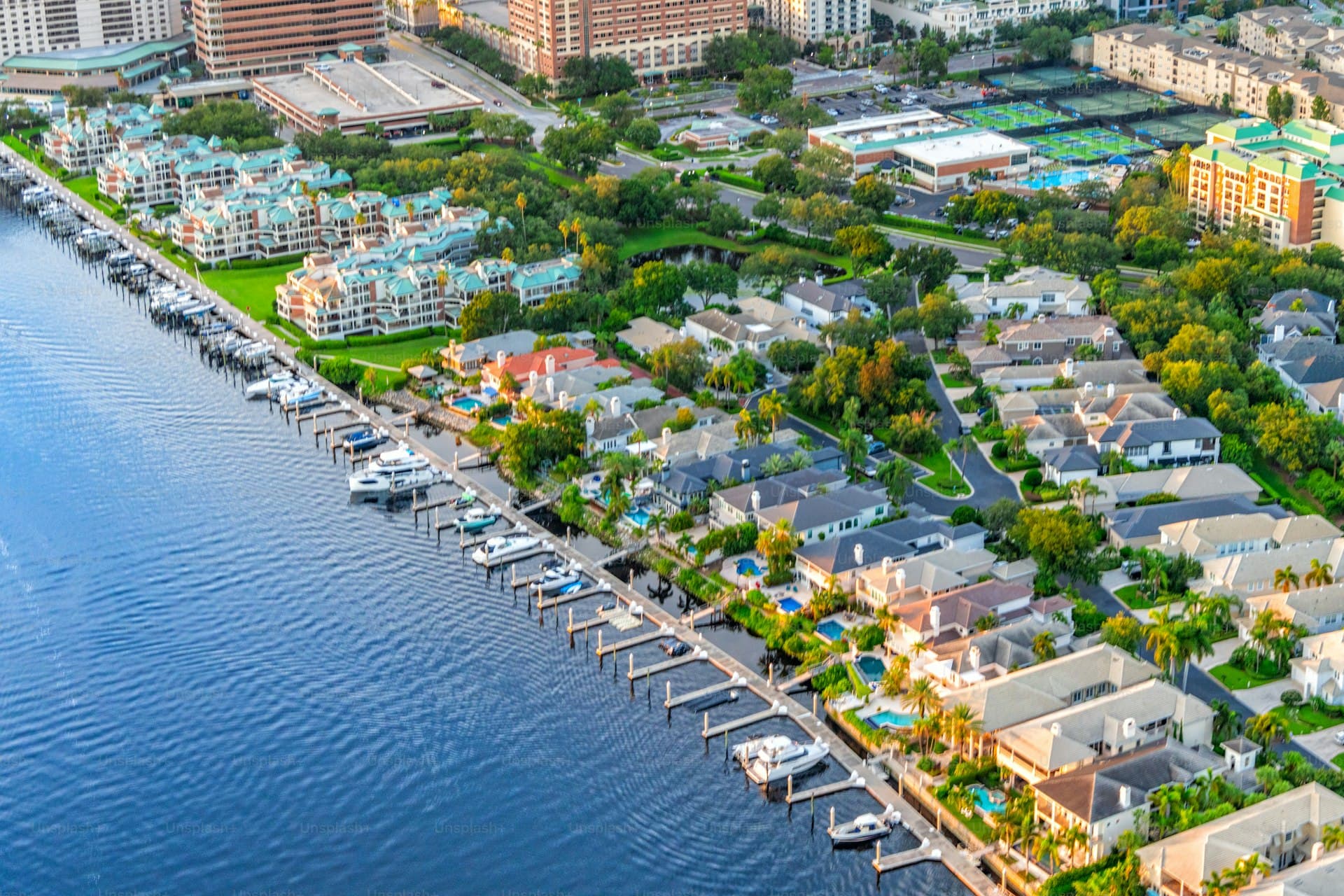
South Tampa
Aerial view of waterfront homes along Tampa Bay with boats and marina
Photo by Getty Images on Unsplash

New Tampa
Aerial view of suburban Tampa housing development with lakes and green spaces
Photo by Getty Images on Unsplash
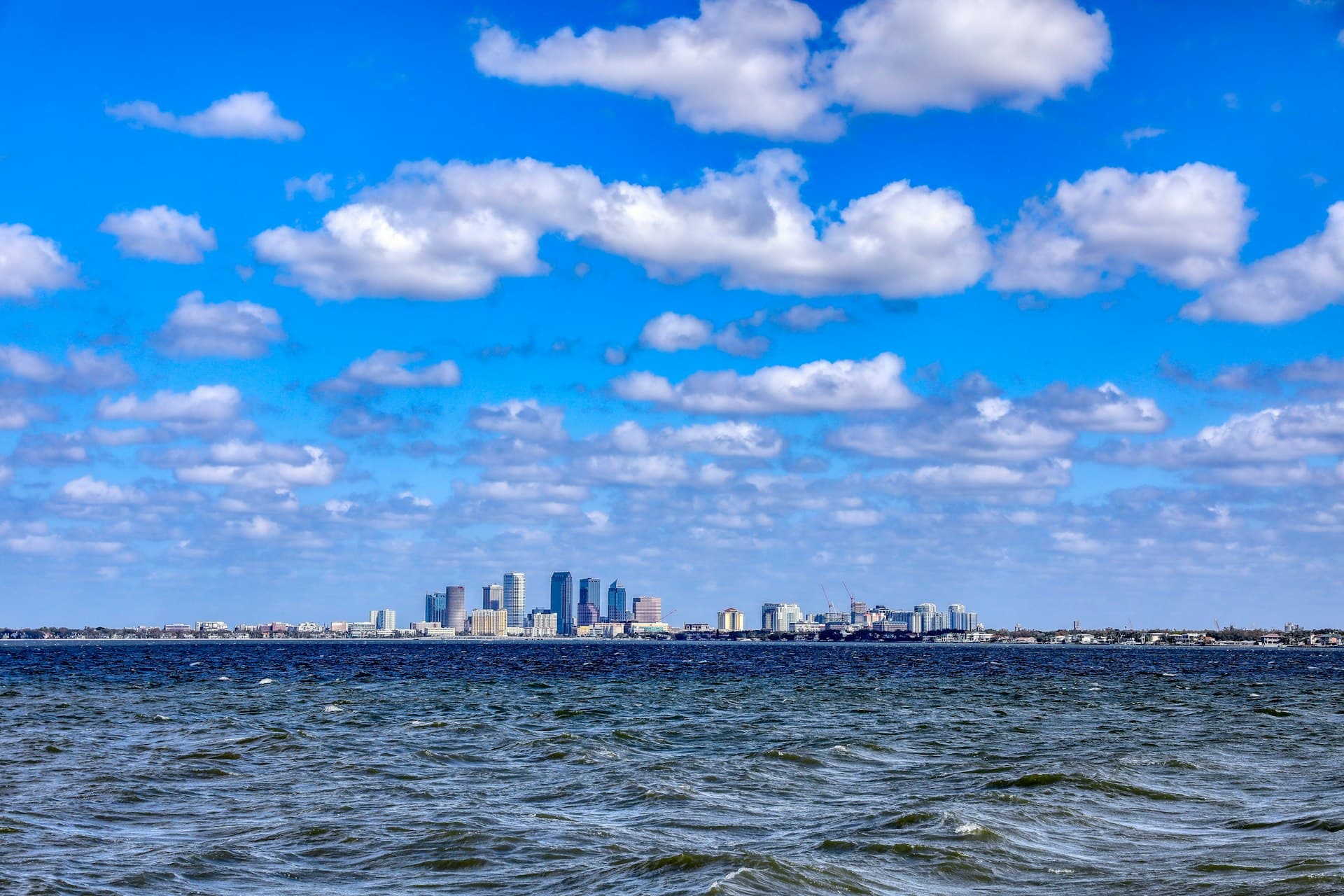
Residential Area
Tampa skyline viewed from across Tampa Bay under blue sky with clouds
Photo by Mick Haupt on Unsplash
Local Climate
Florida tropical storm with lightning over the ocean at night
Photo by Forrest Moreland on Unsplash

Local Landmark
Sunshine Skyway Bridge over Tampa Bay at twilight with illuminated cables
Photo by Joseph Corl on Unsplash
Frequently Asked Questions
Common questions about emergency HVAC repair in Tampa, Florida
Still have questions? Call our 24/7 emergency line.
Call (855) 321-3346More Cities in Florida
Emergency HVAC repair in nearby FL cities
Need Emergency HVAC Repair?
Call now for 24/7 emergency AC and heating repair in Tampa, Florida. Licensed, insured professionals available around the clock.
(855) 321-3346 — Emergency Service