Emergency HVAC Repair in JacksonvilleFlorida
24/7 emergency AC and heating repair from certified local technicians in Jacksonville, Florida.
Assess Your HVAC Emergency
Identify the severity of your issue and take the right action
Monitor & Schedule
- Weak or uneven airflow
- Unusual noises (buzzing, rattling)
- Thermostat not responding correctly
- Slight temperature inconsistency
Call Today
- No cooling or heating output
- System short-cycling repeatedly
- Strange smells from vents
- Water leaking from unit
Call Now — Emergency
- Gas smell near furnace
- Electrical burning smell
- Complete system failure
- Carbon monoxide alarm triggered
Why HVAC Emergencies Happen in Jacksonville
Jacksonville's climate puts extreme stress on HVAC systems. Understanding local conditions helps you prevent failures.

Photo by Zoshua Colah on Unsplash
Humid subtropical climate with 8+ months of cooling season
Summer temperatures regularly reach 92-93 degrees F from June through September
Nearly 70% humidity during hottest months, rising to 90% at times
Best Months
Avoid if Possible
- HVAC accounts for nearly 50% of home energy consumption in Jacksonville
- ENERGY STAR certified units use up to 8% less energy than traditional units
- JEA offers rebates on ENERGY STAR certified HVAC systems
- Smart thermostats can significantly reduce cooling demands when away
- High-SEER2 units (20+) can be up to 43% more efficient than minimum-rated units
The coastal location adds another layer of complexity. Salt-laden air from the Atlantic Ocean penetrates inland, causing accelerated corrosion on outdoor condenser units. Metal components, electrical connections, and coils deteriorate faster in Jacksonville than in inland Florida cities. Homes in Jacksonville Beach, Atlantic Beach, and Ponte Vedra face the highest corrosion risk and require corrosion-resistant units with protective coatings.
Hurricane season from June through November presents additional concerns. Tropical storms and hurricanes can damage outdoor equipment, cause extended power outages, and create flooding that affects HVAC components. Many Jacksonville homeowners have learned to prepare their systems before storms with surge protectors and hurricane straps, then schedule post-storm inspections to catch damage early.
The mild winters provide some relief, with temperatures occasionally dropping below 40 degrees Fahrenheit but rarely requiring extensive heating. This climate pattern makes heat pumps particularly attractive for Jacksonville homes, as they efficiently handle both the dominant cooling needs and occasional heating requirements. The nearly year-round humidity also demands systems with strong dehumidification capabilities to prevent mold growth and maintain indoor air quality.
How Jacksonville's Climate Affects Materials
Condenser Coils
Salt and humidity cause rapid corrosion; coastal homes need corrosion-resistant coatings
Ductwork
High humidity can cause condensation and mold; proper insulation and sealing essential
Electrical Components
Salt acts as conductor causing corrosion and short circuits in coastal areas
Refrigerant Lines
High pressure operation in extreme heat increases leak risk
Your Home Temperature Risk
When your HVAC fails in Jacksonville, indoor temperatures can reach dangerous levels
In Jacksonville's heat, a broken AC can push indoor temperatures past 100°F within hours. Heat stroke risk increases significantly — especially for children and elderly residents.
(855) 321-3346 — Get Emergency HelpJacksonville homeowners face common emergency scenarios: the system that suddenly stops cooling despite running, the compressor that makes alarming grinding noises, the unit that trips breakers repeatedly, or the dreaded discovery of water pooling beneath the air handler. Each situation requires quick assessment to determine whether you can wait for a scheduled appointment or need immediate 24/7 emergency service.
Loud metallic grinding or banging from the outdoor unit signals mechanical failures like seized bearings or broken fan blades. Continuing to run the system risks further damage and potential safety hazards. Water pooling indoors requires prompt attention to prevent ceiling damage, wall damage, and mold growth that Jacksonville's humidity promotes rapidly.
Before calling for emergency service, take immediate safety steps. Shut the system off at the thermostat and outdoor disconnect if you detect burning smells or see water near electrical components. Turn off the indoor breaker for persistent electrical tripping - don't reset it repeatedly. Ventilate the area if you detect chemical odors. Contain water with towels and position fans to limit damage while waiting for service.
Jacksonville emergency HVAC services like Elite AC LLC and Tropic Aire offer 24/7 response for urgent situations. Expect dispatch triage to confirm hazards and prioritize your call, followed by technician arrival for safety inspection and diagnosis. Emergency service typically carries after-hours premiums for the service call, plus repair needs vary based on the specific problem - from refrigerant work to compressor replacement for more serious failures.
HVAC Systems We Repair in Jacksonville
Heat pumps have gained significant popularity in Jacksonville because they excel in the local climate. They provide efficient cooling during the hot months and handle the mild winter heating needs without requiring a separate furnace. The technology operates at peak efficiency year-round in Jacksonville's temperature range, making heat pumps an excellent choice for whole-home comfort. Modern heat pumps with variable-speed compressors also provide superior humidity control, which is critical in Northeast Florida's moisture-laden environment.
Ductless mini-split systems offer excellent flexibility for Jacksonville homes. They work well for older homes lacking ductwork, room additions, or creating zones for different comfort preferences. Mini-splits also avoid the energy losses associated with ductwork, which can be significant in Jacksonville's hot attic spaces where ducts often run. Each zone operates independently, allowing precise temperature control and eliminating the inefficiency of conditioning unused spaces.
Geothermal systems represent the premium option for Jacksonville homeowners committed to long-term efficiency. These systems use the earth's stable underground temperature to provide heating and cooling, achieving the highest efficiency ratings available. Geothermal systems can last 25-50 years for the ground loop and provide dramatic reductions in energy consumption. They perform exceptionally well in humid climates like Jacksonville's, offering consistent comfort regardless of outdoor conditions.
For coastal areas, any system type should include corrosion-resistant features. Look for units with coated coils, stainless steel or aluminum components, and weatherproof electrical connections. The additional investment for coastal protection features can double the equipment lifespan in salt-air environments near Jacksonville Beach and Atlantic Beach.
HVAC Repair Requirements in Jacksonville
Contractors submit applications through the JaxEPICS online portal, including equipment specifications and installation plans. Initial permit review typically takes 25-30 business days, with resubmissions processed in 10 business days or less. Permits remain valid for 180 days, with each passed inspection resetting the clock for continued work.
Homeowners should be aware that starting work before permit issuance triggers penalties and can halt inspections until resolved. Reputable contractors handle the entire permit process, ensuring compliance with both local Jacksonville requirements and Florida's statewide HVAC efficiency standards requiring minimum 14.3 SEER2 ratings for most residential systems. The inspection process typically includes verification of proper installation, electrical connections, refrigerant line integrity, and compliance with manufacturer specifications.
Choosing a HVAC emergency technician in Jacksonville
Look for contractors with NATE (North American Technician Excellence) certified technicians, indicating advanced training in HVAC installation and repair. NATE-certified technicians have demonstrated knowledge of today's sophisticated heating and cooling systems by passing nationally recognized tests. Benefits include proper installation for optimal efficiency, fewer callbacks, and equipment that runs at peak performance. In Jacksonville specifically, experience with coastal corrosion protection is valuable, particularly for homes near the beaches.
Contractors like J&W Heating and Air specialize in protecting systems from salt air damage, while established companies like Tropic Aire (serving since 1959) and Standard Air bring decades of local experience. Always request a load calculation before accepting equipment recommendations. Proper sizing is critical in Jacksonville's climate - oversized units short-cycle and fail to remove humidity, while undersized units run constantly without achieving comfort.
Get multiple written estimates detailing equipment specifications, warranty terms, and complete scope of work. Ask about JEA rebate program participation - contractors familiar with the program can help you maximize available incentives. Be wary of quotes significantly below competitors, as this often indicates corner-cutting on installation quality or equipment.
Local Insights
Mandarin, one of Jacksonville's most established suburban communities, features predominantly single-family homes built from the 1970s through 1990s with aging HVAC systems now reaching end-of-life. Homeowners here frequently face full system replacements, with many upgrading from original builder-grade equipment to higher-efficiency heat pumps that better handle Florida's demanding climate.
The beach communities of Jacksonville Beach and Atlantic Beach face the most challenging conditions for HVAC equipment. Salt-laden ocean air accelerates corrosion on outdoor condenser units, making corrosion-resistant coatings and stainless steel components essential rather than optional upgrades. Systems in these areas may last only 8-10 years without proper protection, compared to 12-15 years inland.
Ponte Vedra represents Jacksonville's luxury market, where larger custom homes often feature sophisticated zoned systems with multiple air handlers serving different wings of the house. These high-end installations typically include whole-home dehumidification, advanced filtration, and smart home integration.
The Northside and Westside neighborhoods offer a mix of housing ages and styles, from mid-century ranch homes to newer construction. Homeowners in these areas often find excellent value in mid-tier equipment from brands like Goodman or Rheem, which deliver reliable performance for years of comfortable operation. Many planned communities in these areas have HOA requirements governing outdoor unit placement and screening that homeowners should verify before installation.
After any emergency repair, schedule a follow-up maintenance visit to address underlying issues and prevent recurrence. Regular preventive maintenance remains the best defense against AC emergencies, catching worn components and refrigerant levels before they cause failures. In Jacksonville's demanding climate, that maintenance investment pays dividends in reliability when you need your system most.
Verified HVAC technicians
Certified emergency technicians serving Jacksonville, Florida. Available 24/7 for AC and heating emergencies.
Golden Comfort AC & Heating Repair
Highly rated local HVAC team known for fast response times in Riverside area
Standard Air
4.9 · 85 reviews
Tropic Aire
4.8 · 150 reviews
Lloyd's Heating And Air
4.8 · 75 reviews
Elite AC LLC
4.8 · 95 reviews
Ace Air Conditioning & Appliance
4.7 · 120 reviews
+ 2 more HVAC technicians
More HVAC technicians in Jacksonville
J&W Heating and Air + Plumbing
Specializes in protecting coastal Florida homes from salt air corrosion, offers combined HVAC and plumbing services
Comfort Zone of North Florida
Specializes in helping Jacksonville homeowners select right-sized AC systems for humid subtropical climate
Ready to Get Started?
Connect with a licensed HVAC emergency technician in Jacksonville — available 24/7 for emergencies.
(855) 321-3346 — Emergency ServiceQuick Troubleshooting Guide
Try these steps before calling. If they don't work, we're here 24/7.
Check your thermostat settings
Make sure it's set to the correct mode (heat/cool) and the temperature is set correctly.
If this doesn't work ↓
Inspect your air filter
A clogged filter can restrict airflow and cause your system to overheat or freeze up.
If this doesn't work ↓
Check the circuit breaker
A tripped breaker can cut power to your HVAC system. Reset it and see if the system restarts.
If this doesn't work ↓
Check the outdoor unit
Make sure the outdoor unit is clear of debris and the fan is spinning when the system runs.
Still not working? Call a pro.
(855) 321-3346 — Emergency ServiceComplete Jacksonville Emergency HVAC Repair Guide
Everything you need to know about emergency hvac repair in Jacksonville. Expand any section for details.
Interior Signs
- Inconsistent temperatures between rooms despite running AC
- Excessive humidity indoors even when AC is running
- Musty or moldy odors from vents indicating poor dehumidification
- Rising energy bills without increased usage
- Frequent thermostat adjustments needed for comfort
Exterior Signs
- Visible rust or corrosion on outdoor unit (especially coastal homes)
- Unusual noises: grinding, squealing, or banging from condenser
- Ice forming on refrigerant lines
- Reduced airflow from vents
- Water pooling around indoor or outdoor units
25% Rule: Consider replacement if system is 10-15 years old, uses R-22 refrigerant, or has repeated expensive repairs. Also factor in whether repair frequency is increasing and if comfort levels have declined.
Jacksonville at a Glance
Local climate conditions and neighborhoods where HVAC emergencies are most common
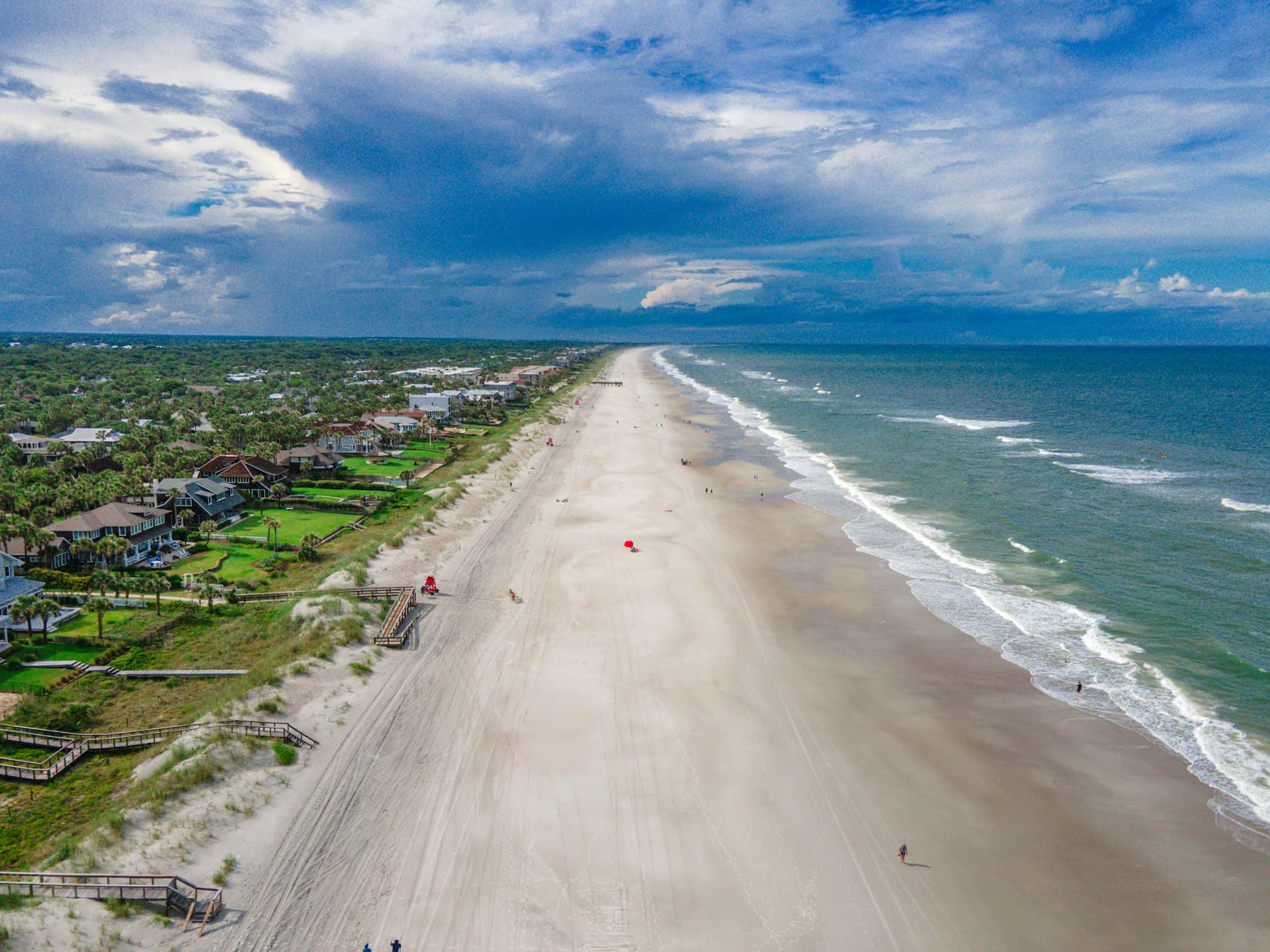
Jacksonville Beach/Atlantic Beach
Aerial view of Jacksonville Beach Florida coastline with homes and Atlantic Ocean
Photo by Josh Moore on Unsplash
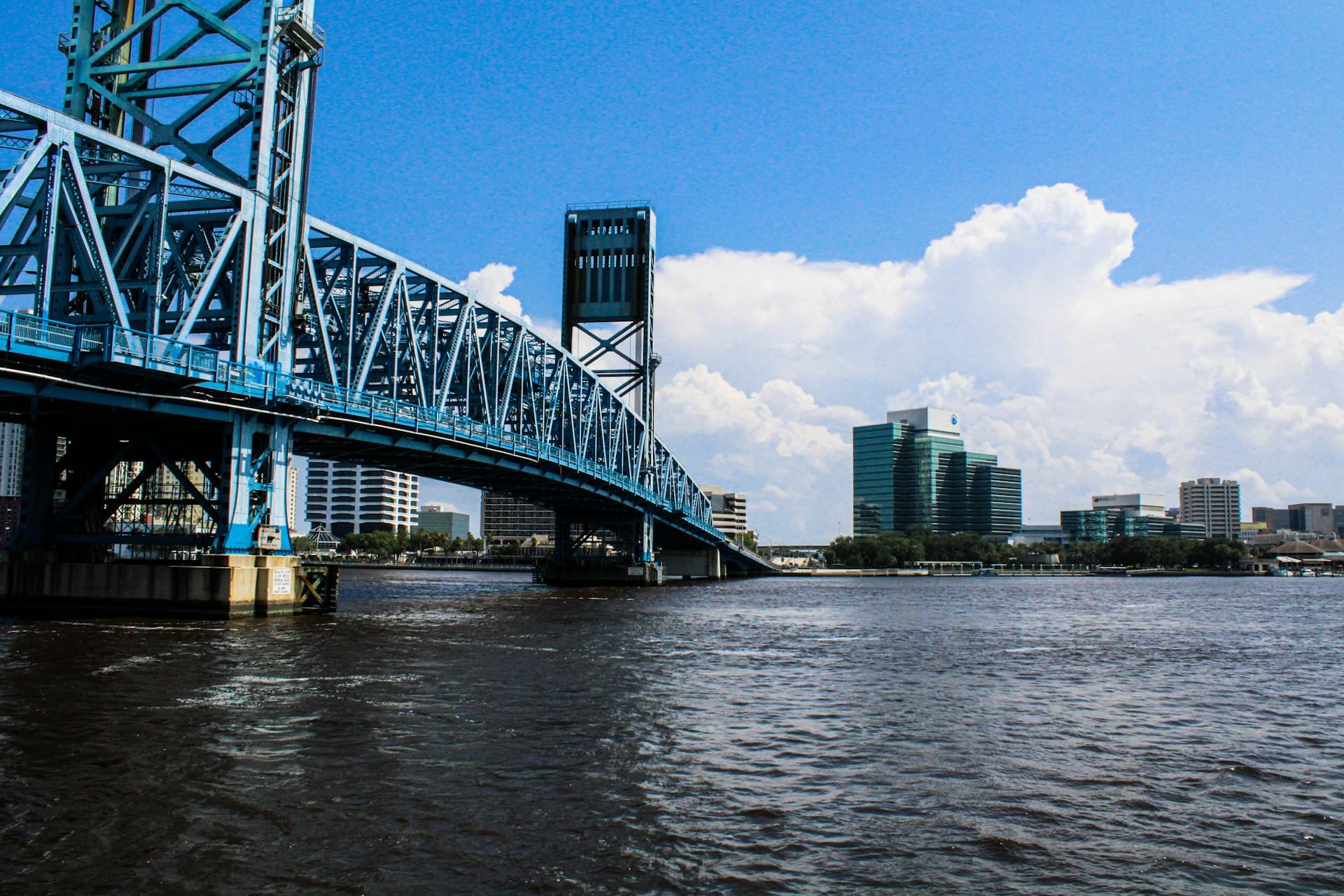
Local Landmark
Main Street Bridge over St Johns River with Jacksonville Florida skyline
Photo by Matthew Williams on Unsplash
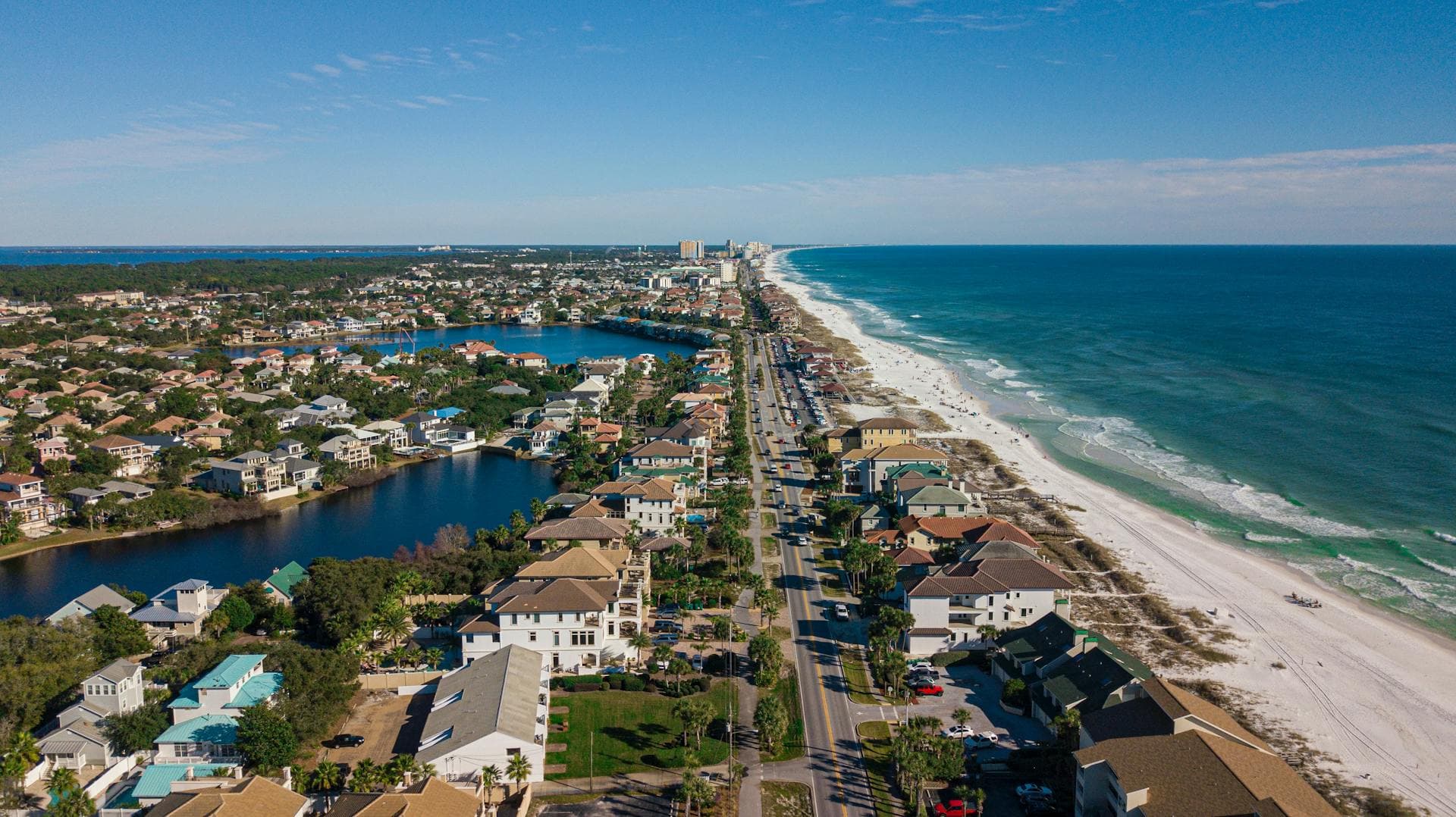
Residential Area
Aerial view of Florida coastal residential neighborhood with beachfront homes
Photo by Zachary Vessels on Pexels
Local Climate
Dramatic storm clouds over Florida coast representing hurricane season weather
Photo by Zoshua Colah on Unsplash
Frequently Asked Questions
Common questions about emergency HVAC repair in Jacksonville, Florida
Still have questions? Call our 24/7 emergency line.
Call (855) 321-3346More Cities in Florida
Emergency HVAC repair in nearby FL cities
Need Emergency HVAC Repair?
Call now for 24/7 emergency AC and heating repair in Jacksonville, Florida. Licensed, insured professionals available around the clock.
(855) 321-3346 — Emergency Service