Emergency HVAC Repair in RenoNevada
24/7 emergency AC and heating repair from certified local technicians in Reno, Nevada.
Assess Your HVAC Emergency
Identify the severity of your issue and take the right action
Monitor & Schedule
- Weak or uneven airflow
- Unusual noises (buzzing, rattling)
- Thermostat not responding correctly
- Slight temperature inconsistency
Call Today
- No cooling or heating output
- System short-cycling repeatedly
- Strange smells from vents
- Water leaking from unit
Call Now — Emergency
- Gas smell near furnace
- Electrical burning smell
- Complete system failure
- Carbon monoxide alarm triggered
Why HVAC Emergencies Happen in Reno
Reno's climate puts extreme stress on HVAC systems. Understanding local conditions helps you prevent failures.
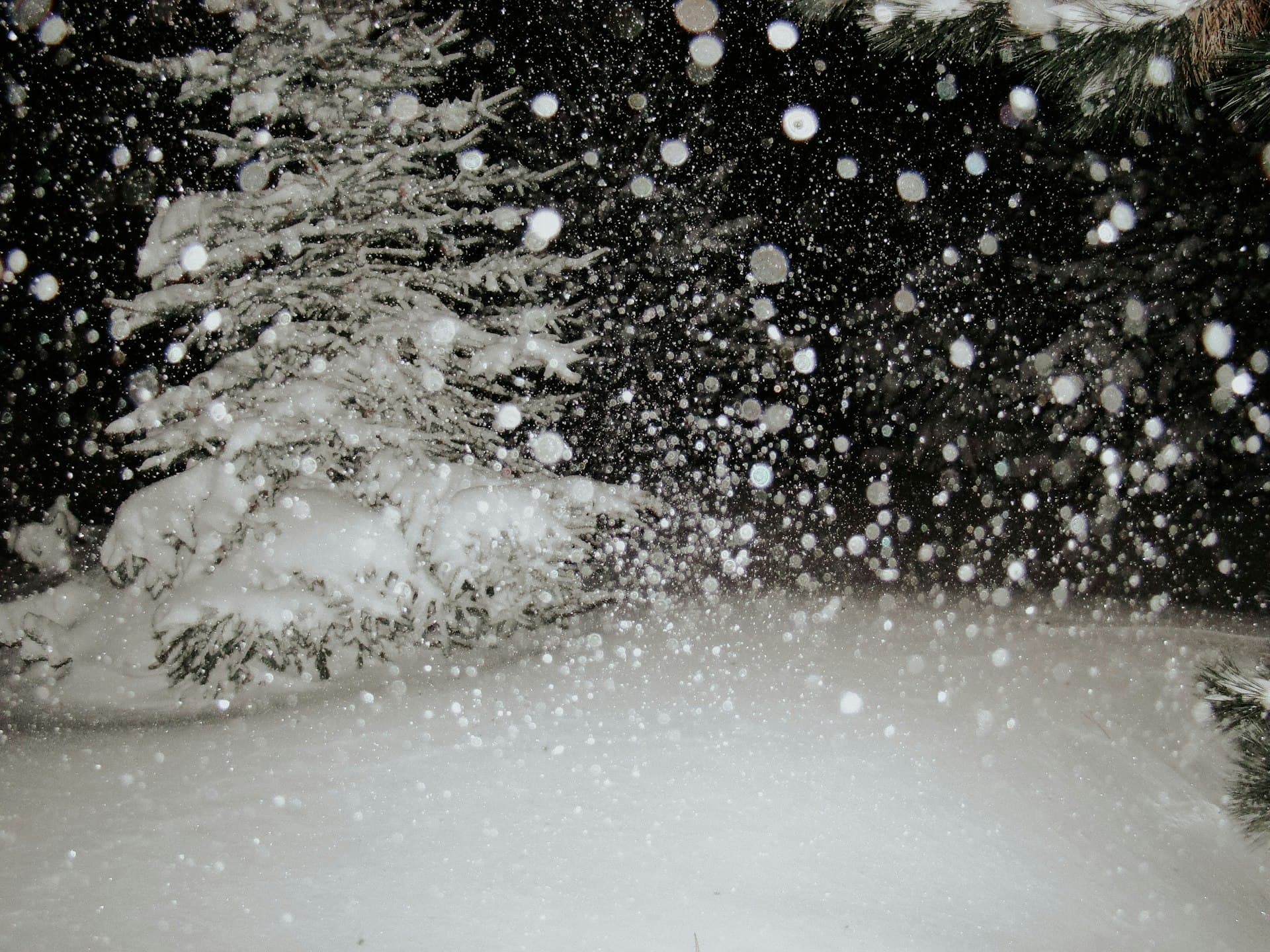
Photo by Jasmin Schuler on Unsplash
High desert climate with extreme temperature swings (40+ degree daily variations)
Cold winters requiring reliable heating (temperatures regularly below freezing)
Hot, dry summers with temperatures exceeding 95F requiring robust cooling
Best Months
Avoid if Possible
- NV Energy offers rebates for high-efficiency equipment (15+ SEER)
- Smart thermostats can save up to 23% on heating bills when properly configured
- Proper insulation critical - attic insulation should be R-49 or greater
- Duct sealing and insulation can significantly reduce energy waste
- Zoned systems reduce energy waste in multi-story homes
The altitude itself creates specific technical challenges. At Reno's elevation, there is approximately 20 percent less oxygen available for combustion, which directly affects how gas furnaces operate. Systems installed without proper altitude adjustments will run inefficiently, waste fuel, and may even pose safety risks. Local HVAC technicians must calibrate gas pressure settings specifically for high-altitude operation, and heat exchangers face increased stress from the extreme temperature differentials they must manage.
Reno's desert environment compounds these challenges. Humidity levels can drop as low as 10 percent, which dries out equipment components and makes indoor comfort difficult to maintain without supplemental humidification. The intense UV radiation at elevation, roughly 25 percent stronger than at sea level, accelerates the degradation of outdoor unit components, making durable equipment selection critical. Desert dust infiltrates everything, requiring more frequent filter changes than coastal or humid climates. During wildfire season, smoke particles further strain filtration systems and indoor air quality.
For these reasons, Reno homeowners should prioritize HVAC systems designed for demanding conditions. Dual fuel systems that combine heat pumps with gas furnace backup have become increasingly popular because they automatically select the most efficient heating source based on outdoor temperature. High-efficiency units rated 16 SEER or above help manage energy consumption during peak demand months, while variable-speed systems adapt smoothly to the rapid temperature changes that define Northern Nevada's climate.
How Reno's Climate Affects Materials
Standard A C units
May struggle with extreme heat and altitude; higher SEER ratings recommended
Gas furnaces
Require altitude adjustments for proper combustion at 4,500+ feet
Heat pumps
Highly efficient in moderate temps; may need backup heat for coldest days
Dual fuel systems
Ideal for Reno - automatically switches between heat pump and furnace based on temperature
Your Home Temperature Risk
When your HVAC fails in Reno, indoor temperatures can reach dangerous levels
In Reno's heat, a broken AC can push indoor temperatures past 100°F within hours. Heat stroke risk increases significantly — especially for children and elderly residents.
(855) 321-3346 — Get Emergency HelpRecognizing an emergency helps you act quickly. Complete system failure during extreme weather requires immediate professional attention. Strange burning smells when your furnace runs could indicate cracked heat exchangers or electrical problems that pose fire or carbon monoxide risks. Ice buildup on AC components, refrigerant leaks, or compressors that fail to start all warrant urgent service calls. In Reno's demanding climate, what might be a minor inconvenience elsewhere can quickly escalate into a dangerous situation.
Air conditioning failures during summer heat waves pose serious health risks, especially for children, elderly residents, and anyone with respiratory conditions. If your AC stops working when temperatures exceed 95 degrees, first check that the thermostat is set correctly and the circuit breaker has not tripped. If the system runs but does not cool, the problem may be refrigerant leaks or compressor failure requiring professional repair.
Carbon monoxide risks increase with furnace problems. Cracked heat exchangers can release this odorless, deadly gas into your home. Symptoms include headaches, dizziness, and nausea. If your CO detector alarms or family members experience these symptoms, evacuate immediately and call 911. Have your furnace inspected before returning home.
Several Reno contractors offer 24/7 emergency service. Lincoln Heating and Air responds around the clock and waives after-hours charges for maintenance plan members. Ross Heating and Air provides emergency availability including holidays. Goettl offers rapid response for AC breakdowns, and Cool Breeze HVAC provides same-day emergency service for both residential and commercial properties. Keep these numbers accessible so you can act fast when emergencies occur.
HVAC Systems We Repair in Reno
Gas furnaces remain the backbone of Reno heating because they deliver reliable warmth even when temperatures drop well below freezing. A quality gas furnace typically lasts 15 to 20 years with proper maintenance. However, furnaces require altitude adjustments for proper combustion at 4,500 feet, and they only provide heating, requiring a separate air conditioning system for summer cooling. For Reno's cold winters, a furnace rated 80,000 BTUs or higher suits most homes between 1,500 and 2,500 square feet.
Heat pumps offer an energy-efficient alternative that provides both heating and cooling from a single system. In moderate temperatures above 35 to 40 degrees, heat pumps consume significantly less energy than furnaces because they transfer heat rather than generating it. Modern cold-climate heat pumps have improved dramatically, operating efficiently even at lower temperatures than previous generations. However, heat pump efficiency still drops in extreme cold, making standalone heat pumps less reliable during Reno's coldest winter nights without a backup heating source.
Dual fuel systems represent the optimal solution for Reno's climate, combining a heat pump with a gas furnace backup. These systems automatically switch between the heat pump during mild weather and the furnace during cold snaps, maximizing efficiency year-round. The heat pump handles heating when outdoor temperatures remain above approximately 35 degrees, where it operates most efficiently. When temperatures drop below this threshold, the system seamlessly transitions to the gas furnace. This intelligent switching reduces wear on both components and extends overall equipment life.
Ductless mini-split systems work well for room additions, garages, or older homes lacking ductwork. Each indoor unit provides individual temperature control, eliminating the energy waste of conditioning unused rooms. For Reno's climate, choose units rated at least 18 SEER with cold-climate heat pump capabilities for winter heating support. Variable refrigerant flow technology allows these systems to precisely match heating and cooling output to demand, improving comfort and reducing energy consumption.
HVAC Repair Requirements in Reno
The city adopted the 2024 International Mechanical Code effective July 1, 2025, which governs all HVAC installations. For rooftop HVAC replacements, specific checklist requirements apply. Contractors performing the work must hold a valid Nevada State Contractors Board C-21 license for refrigeration and air conditioning work. Technicians handling refrigerants must have EPA Section 608 certification. Simpler projects may qualify for EZ Permits that bypass detailed plan review, allowing licensed contractors to apply, receive approval, and begin work more quickly.
Your HVAC contractor should handle the permit application process as part of their service. Before signing any contract, confirm that permits are included and that the contractor will schedule required inspections. Unpermitted work can create problems when selling your home and may void manufacturer warranties. The permit process ensures installations meet safety standards and building codes designed to protect homeowners. Always verify your contractor's license status at nvcontractorsboard.com before work begins to confirm they are authorized to pull permits and perform HVAC work in Nevada.
Choosing a HVAC emergency technician in Reno
Local experience matters significantly in Reno because of the altitude and climate challenges. Ask potential contractors specifically about their experience with high-altitude furnace adjustments and whether they understand the gas pressure calibrations required at 4,500 feet. Companies like Sierra Air Inc. with over 40 years in Northern Nevada and Lincoln Heating & Air with 30 years of local service have developed expertise in these regional requirements.
Obtain at least three written estimates before making a decision. Quality contractors like Ross Heating and Air, Paramount Heating and Air Conditioning, and Cool Breeze HVAC provide detailed breakdowns showing equipment, labor, permits, and any necessary modifications. Be wary of bids significantly lower than competitors, as this often indicates corner-cutting on equipment quality or installation practices. Look for contractors who explain their recommendations clearly and who are familiar with NV Energy rebate programs that can offset upgrade costs.
Confirm warranty terms in writing before work begins. Reputable companies offer both manufacturer warranties on equipment and their own labor warranties. Many Reno contractors including Lincoln Heating offer satisfaction guarantees and maintenance plans that include priority scheduling and discounted repairs. Given the demanding climate, establishing a relationship with a reliable contractor for ongoing maintenance proves valuable long-term.
Local Insights
Northwest Reno showcases the newer side of the city, with master-planned communities featuring modern construction and energy-efficient building practices. Homes here typically have newer HVAC systems already installed, though homeowners benefit from upgrading to smart thermostats and high-SEER equipment to maximize the energy savings these well-insulated properties can achieve. South Reno attracts families seeking larger homes with premium finishes, and these properties often require zoned HVAC systems to efficiently condition multiple floors and expansive square footage.
Across the border in Sparks, a mix of housing ages creates varied HVAC needs. Many neighborhoods developed during the 1990s and 2000s building boom now have systems approaching or exceeding their 15 to 20 year lifespans, making this area particularly active for replacement projects. Cold Springs, situated at higher elevation northwest of the city, experiences even colder winter temperatures than downtown Reno, placing additional demands on heating systems and making furnace reliability paramount. Sun Valley offers more affordable housing stock but often requires efficiency upgrades to reduce utility costs for budget-conscious homeowners. Throughout all these areas, the common thread remains Reno's high-altitude climate challenges, from altitude-adjusted combustion to dust filtration, that make local HVAC expertise essential for any installation or repair project.
Verified HVAC technicians
Certified emergency technicians serving Reno, Nevada. Available 24/7 for AC and heating emergencies.
Lincoln Heating & Air
Family-owned with 30 years experience, offers 100% satisfaction guarantee and 24/7 emergency service
Paramount Heating and Air Conditioning
4.9 · 156 reviews
Sierra Air Inc.
4.8 · 342 reviews
Cool Breeze Heating and Air Conditioning
4.8 · 178 reviews
Ross Heating and Air Conditioning
4.7 · 198 reviews
Paul's Heating and Air Conditioning
4.7 · 145 reviews
+ 1 more HVAC technicians
More HVAC technicians in Reno
Goettl Air Conditioning and Plumbing
National brand with local Reno presence, 24/7 rapid response for emergencies
Ready to Get Started?
Connect with a licensed HVAC emergency technician in Reno — available 24/7 for emergencies.
(855) 321-3346 — Emergency ServiceQuick Troubleshooting Guide
Try these steps before calling. If they don't work, we're here 24/7.
Check your thermostat settings
Make sure it's set to the correct mode (heat/cool) and the temperature is set correctly.
If this doesn't work ↓
Inspect your air filter
A clogged filter can restrict airflow and cause your system to overheat or freeze up.
If this doesn't work ↓
Check the circuit breaker
A tripped breaker can cut power to your HVAC system. Reset it and see if the system restarts.
If this doesn't work ↓
Check the outdoor unit
Make sure the outdoor unit is clear of debris and the fan is spinning when the system runs.
Still not working? Call a pro.
(855) 321-3346 — Emergency ServiceComplete Reno Emergency HVAC Repair Guide
Everything you need to know about emergency hvac repair in Reno. Expand any section for details.
Interior Signs
- Uneven temperatures between rooms
- Weak or reduced airflow from vents
- Unusual odors when system runs
- Excessive dust despite filter changes
- Humidity issues - too dry or too humid
- Thermostat needs constant adjustment
- Strange noises from ductwork or vents
Exterior Signs
- Visible rust or corrosion on outdoor unit
- Ice buildup on AC unit or refrigerant lines
- Unusual noises from compressor or fan
- Unit running constantly without cycling off
- Visible refrigerant leaks
- Fan blades damaged or not spinning properly
- Debris buildup around unit reducing airflow
25% Rule: Consider replacement if your system is over 15 years old and repairs become frequent, or if you are experiencing consistent performance issues. Rising energy bills despite maintenance also suggest declining efficiency. For Reno's climate, upgrading to a dual fuel or high-efficiency system often provides better long-term value than repairing an aging unit.
Reno at a Glance
Local climate conditions and neighborhoods where HVAC emergencies are most common
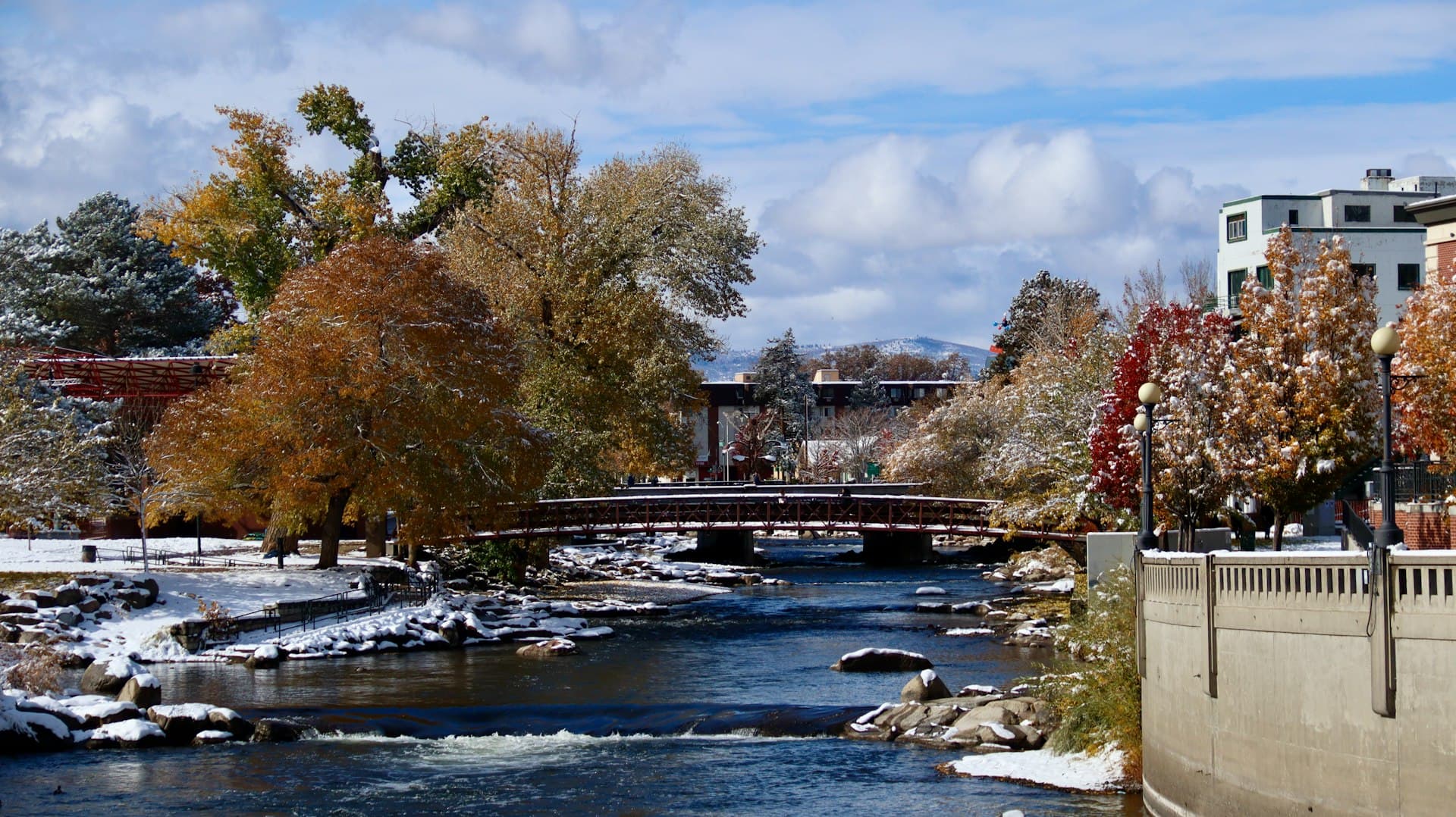
Midtown
Truckee River Walk in Reno with bridge and fall foliage dusted with snow
Photo by Manny Becerra on Unsplash
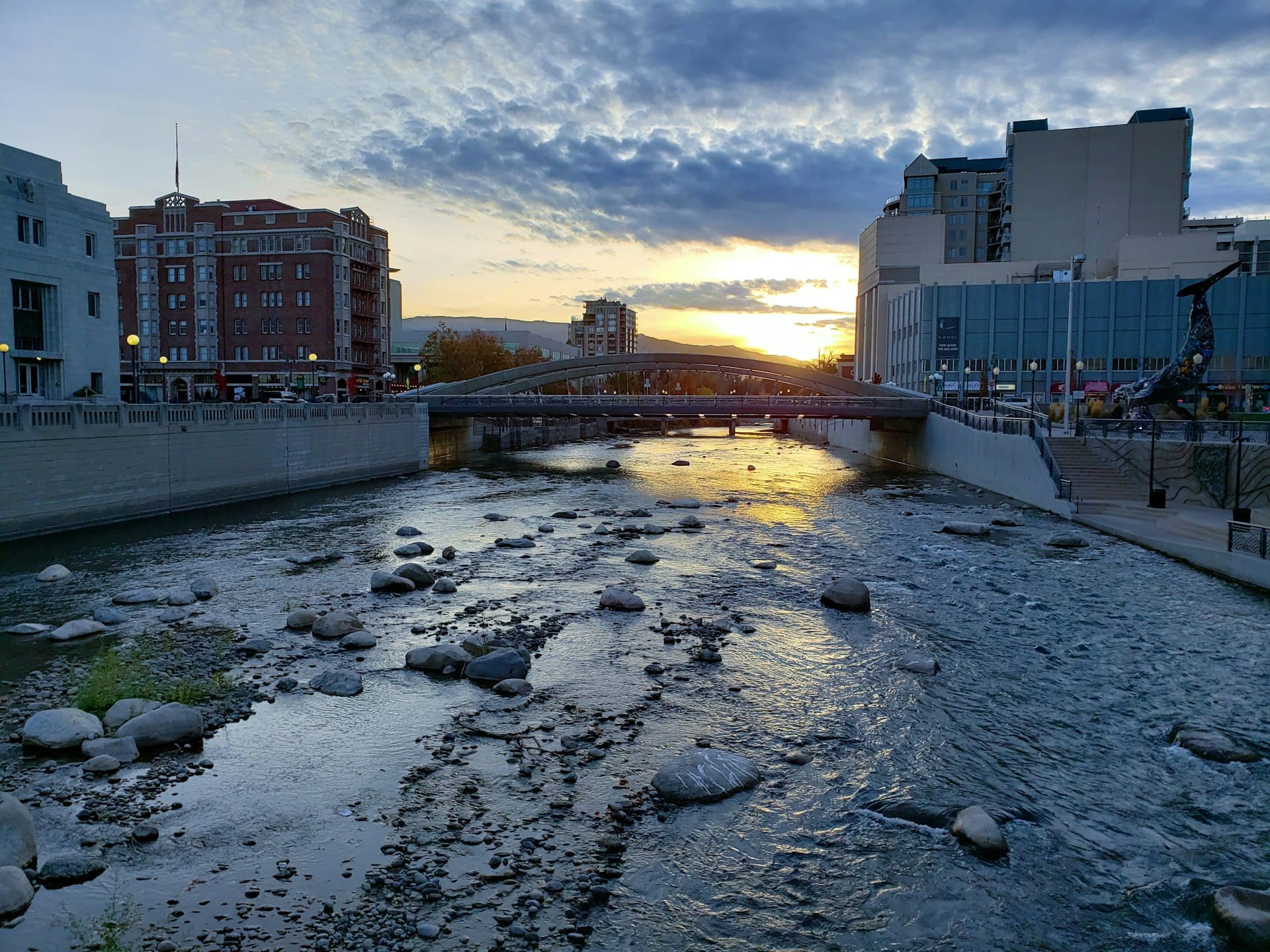
Downtown
Truckee River flowing through downtown Reno Riverwalk District at sunset
Photo by Tucker Monticelli on Unsplash
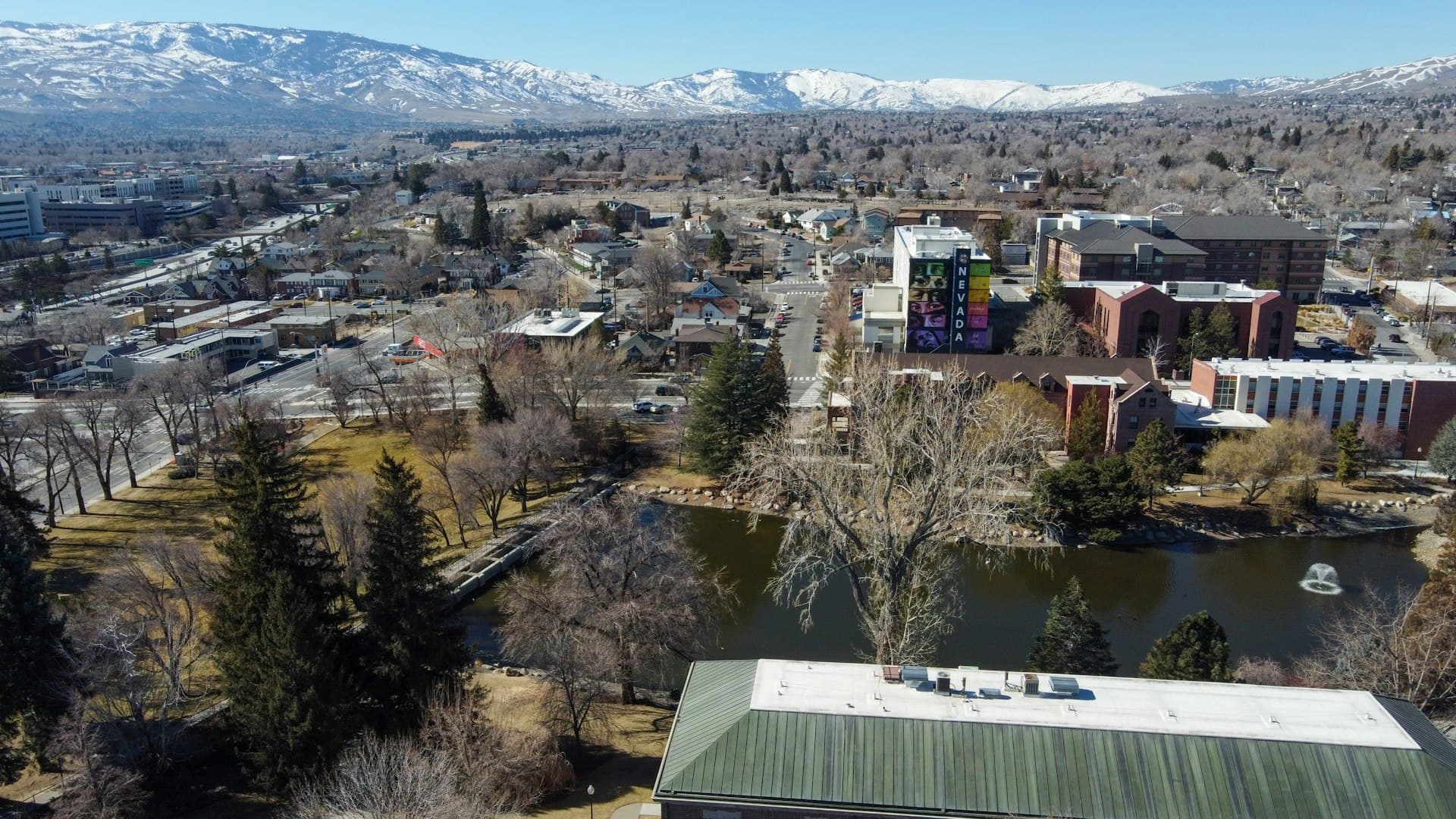
Residential Area
Aerial view of University of Nevada Reno campus and surrounding residential neighborhoods with Sierra Nevada mountains
Photo by Manny Becerra on Unsplash
Local Climate
Nevada winter blizzard with heavy snowfall through pine trees
Photo by Jasmin Schuler on Unsplash

Local Landmark
Sierra Nevada alpine lake with snow-capped mountain peaks
Photo by Caleb Jack on Unsplash
Frequently Asked Questions
Common questions about emergency HVAC repair in Reno, Nevada
Still have questions? Call our 24/7 emergency line.
Call (855) 321-3346More Cities in Nevada
Emergency HVAC repair in nearby NV cities
Need Emergency HVAC Repair?
Call now for 24/7 emergency AC and heating repair in Reno, Nevada. Licensed, insured professionals available around the clock.
(855) 321-3346 — Emergency Service