Emergency HVAC Repair in Las VegasNevada
24/7 emergency AC and heating repair from certified local technicians in Las Vegas, Nevada.
Assess Your HVAC Emergency
Identify the severity of your issue and take the right action
Monitor & Schedule
- Weak or uneven airflow
- Unusual noises (buzzing, rattling)
- Thermostat not responding correctly
- Slight temperature inconsistency
Call Today
- No cooling or heating output
- System short-cycling repeatedly
- Strange smells from vents
- Water leaking from unit
Call Now — Emergency
- Gas smell near furnace
- Electrical burning smell
- Complete system failure
- Carbon monoxide alarm triggered
Why HVAC Emergencies Happen in Las Vegas
Las Vegas's climate puts extreme stress on HVAC systems. Understanding local conditions helps you prevent failures.

Photo by Busy Bee and Green Tea on Unsplash
Extreme summer heat exceeding 115 degrees Fahrenheit with over 100 days annually above 100 degrees
AC systems run for extended periods during July and August, accelerating wear
Attic temperatures often exceed 140 degrees, affecting duct performance
Best Months
Avoid if Possible
- SEER2 ratings of 16+ recommended due to extended cooling season
- Variable-speed systems becoming the new baseline in 2025
- Heat pumps can significantly reduce energy consumption compared to older AC units
- NV Energy rebates available for high-efficiency systems
- Federal tax credits available for qualifying heat pump installations
- Proper duct sealing can improve efficiency by 20-30%
The extreme heat forces air conditioning systems to work harder and run longer than almost anywhere else in the country. During July and August, units often operate for 12 to 16 hours daily, accelerating wear on compressors, fan motors, and electrical components. This sustained operation can reduce the typical lifespan of HVAC equipment by several years compared to moderate climates. The outdoor condenser unit faces particular stress, as it must reject heat into air that is already superheated, causing refrigerant pressures to spike and efficiency to drop.
Attic temperatures in Las Vegas homes commonly exceed 140 degrees during peak summer, creating significant challenges for ductwork. Conditioned air traveling through ducts in these superheated spaces loses cooling capacity before reaching living areas, forcing the system to work even harder. This thermal stress also affects duct seals and connections, leading to air leaks that compound efficiency losses. Proper duct insulation and sealing are critical in this environment.
The desert also brings heavy dust loads, especially during monsoon season haboobs that can blanket the valley in fine particles. This dust rapidly clogs air filters, coats condenser coils, and infiltrates outdoor equipment. Monthly filter changes during summer are essential rather than optional, and annual coil cleaning helps maintain system efficiency. The combination of heat, dust, and low humidity requires Las Vegas homeowners to be more proactive about maintenance than those in milder climates.
How Las Vegas's Climate Affects Materials
Central A C
Most common choice; requires high SEER ratings (16+) for efficiency in extended cooling season
Heat Pumps
Growing in popularity; excellent cooling efficiency with mild winter heating capability
Ductless Mini- Splits
Ideal for additions or older homes without existing ductwork
Evaporative Coolers
Less effective due to low humidity making them viable only in certain conditions
Your Home Temperature Risk
When your HVAC fails in Las Vegas, indoor temperatures can reach dangerous levels
In Las Vegas's heat, a broken AC can push indoor temperatures past 100°F within hours. Heat stroke risk increases significantly — especially for children and elderly residents.
(855) 321-3346 — Get Emergency HelpLas Vegas summers push HVAC systems to their absolute limits. The sustained heat from June through September means your AC runs almost continuously, and this constant operation accelerates wear on critical components. Compressor failures, refrigerant leaks, and electrical problems strike most often during the hottest periods when systems are under maximum stress. The combination of extreme temperatures and aging equipment makes emergency breakdowns a common occurrence across the valley.
Recognizing the warning signs before complete failure can help you act before losing cooling entirely. Unusual noises, reduced airflow, warm air from vents, frequent cycling, or ice forming on refrigerant lines all indicate problems requiring immediate attention. Addressing these symptoms early often means the difference between a manageable repair and a complete system replacement during peak summer demand when contractor availability is limited.
While waiting for a technician, take steps to minimize heat buildup. Close blinds and curtains to block direct sunlight, which can raise indoor temperatures by 10 to 15 degrees. Open windows only if outdoor temperatures drop below indoor levels, typically after sunset. Use fans to circulate air and consider relocating family members and pets to the coolest room in the house or temporarily to an air-conditioned location.
Common emergency repairs in Las Vegas include compressor failures where the system stops producing cold air entirely, refrigerant leaks causing gradual cooling loss, electrical issues preventing startup, and fan motor burnouts affecting airflow. Quality emergency services like Bob's Repair, which maintains a 4.95-star rating from over 2,000 customers, provide 24/7 dispatch with EPA-certified technicians who arrive in fully-stocked trucks capable of handling most repairs on the first visit.
Reputable emergency services provide upfront assessment and clear explanations before beginning work, with no hidden charges or surprise additions. They should be able to diagnose the problem quickly and explain your options honestly, whether that means a straightforward repair or a recommendation for replacement if the system has reached the end of its useful life.
If your system is older than 10 to 12 years and requires significant repairs, emergency technicians may recommend replacement rather than repair. In these situations, continuing to invest in an aging system often makes less sense than upgrading to modern, efficient equipment. However, quality contractors will present both options honestly and let you make the informed decision based on your specific circumstances and timeline.
HVAC Systems We Repair in Las Vegas
Central air conditioning paired with a gas furnace remains the dominant choice in Las Vegas homes. These systems deliver the powerful cooling capacity needed for triple-digit temperatures while providing efficient gas heating for mild winters. For this climate, SEER2 ratings of 16 or higher are strongly recommended, as lower-efficiency systems will struggle to maintain comfort while consuming significantly more energy. Premium brands like Trane, Carrier, and Lennox offer systems specifically engineered for extreme heat conditions, though quality installations of mid-tier brands like Goodman and Rheem also perform reliably when properly sized.
Heat pump systems have gained significant popularity in Las Vegas, particularly following updated efficiency standards and available incentive programs. Modern heat pumps deliver exceptional cooling efficiency that can match or exceed traditional AC systems while providing electric heating for winter months. Since Las Vegas winters are mild, heat pumps operate in their most efficient range during heating season. Dual-fuel systems combining a heat pump with a gas furnace backup offer optimal flexibility, using the heat pump for cooling and moderate conditions while switching to gas only during the coldest periods.
Ductless mini-split systems provide an excellent solution for homes without existing ductwork, room additions, or spaces with persistent comfort issues. Their zoned approach allows precise temperature control room by room, and they avoid the efficiency losses associated with duct systems running through superheated attics. However, the need for multiple indoor units and outdoor condensers may present aesthetic considerations in HOA communities with strict guidelines.
Evaporative coolers, while effective in many desert climates, are less suitable as primary cooling in Las Vegas. Despite the dry air, extreme temperatures often push evaporative systems beyond their effective operating range. They may serve as supplemental cooling for garages or outdoor spaces but cannot reliably maintain indoor comfort during the hottest summer months when temperatures exceed 110 degrees.
HVAC Repair Requirements in Las Vegas
All contractors performing HVAC work must hold a valid Nevada C-21 Refrigeration and Air Conditioning license, which homeowners can verify through the Nevada State Contractors Board website at nvcontractorsboard.com. The C-21 license requires contractors to demonstrate at least four years of journeyman-level experience, pass both business law and trade examinations, and maintain appropriate bonding and insurance. Additionally, contractors need a City of Las Vegas business license to operate legally within city limits.
Reputable companies include permit handling in their installation process and manage the application as part of their standard service. After installation, inspections are required to verify code compliance and ensure safety standards are met. This typically involves verification of electrical connections, refrigerant line installation, and proper equipment operation. Commercial projects face additional requirements including more extensive plan review and potentially longer approval timelines. Working with a licensed contractor who handles permitting ensures your installation meets all local and state requirements.
Choosing a HVAC emergency technician in Las Vegas
Start by verifying credentials through the Nevada State Contractors Board. Top-rated local contractors like Sahara Air Conditioning with 45 years of operation, Silver State Refrigeration with their spotless complaint record, and Infinity Heating & Cooling as Trane Comfort Specialists all maintain active C-21 licenses in good standing. NATE certification for technicians indicates advanced training and competency testing beyond basic licensing requirements.
The best contractors perform Manual J load calculations to properly size your system rather than simply matching your existing equipment tonnage. This engineering calculation accounts for your home's square footage, insulation levels, window efficiency, and orientation to determine precisely how much cooling capacity you need. Oversized systems short-cycle and waste energy while undersized units run constantly without reaching target temperatures.
Request detailed written estimates that itemize equipment, labor, permits, and any ductwork modifications. Be wary of quotes significantly lower than competitors, as this often indicates corners being cut on installation quality or equipment grades. Quality contractors explain available rebates and tax credits, discuss multiple equipment options at different efficiency levels, and never pressure you into immediate decisions with high-pressure tactics. Reviews mentioning thorough evaluations, clear communication, and responsive follow-up service indicate companies that prioritize long-term customer relationships over quick transactions.
Local Insights
Henderson, sprawling across the southeastern valley, offers a mix of established neighborhoods and rapidly expanding new construction. Older homes in areas like Green Valley may have systems from the 1990s and 2000s that are due for efficiency upgrades, while newer developments in Inspirada and Cadence feature modern equipment sized for the desert climate. The variable age of housing stock means HVAC contractors encounter everything from legacy systems requiring replacement to cutting-edge variable-speed heat pumps.
Downtown and Central Las Vegas present unique challenges that suburban areas do not face. Older homes built before modern efficiency standards often have inadequate ductwork running through superheated attic spaces, and the urban heat island effect can push temperatures several degrees higher than outlying areas. These neighborhoods require contractors experienced with retrofitting older homes and solving comfort problems created by decades of modifications.
North Las Vegas has experienced explosive growth, with new subdivisions featuring modern construction and systems designed for extreme heat from day one. The affordable housing focus means value-oriented equipment choices are common, but proper installation remains critical for long-term performance. Sun City Summerlin and other 55-plus communities add another layer of consideration, with HOA requirements for equipment placement, noise restrictions on outdoor units, and residents who often prioritize reliability and indoor air quality alongside cooling capacity.
Preventive maintenance significantly reduces emergency breakdown risk. Scheduling tune-ups before summer and changing filters monthly keeps systems operating reliably when you need them most. Many contractors offer maintenance plans that include priority emergency service, reduced service rates, and annual inspections that catch developing problems before they become failures.
When emergency repair needs arise and your system has significant age or recurring issues, consider acting quickly to install a new system before the hottest months arrive. Summer installation wait times can stretch to weeks when demand peaks, while spring installations often offer faster scheduling and potentially better availability of your preferred equipment options.
Verified HVAC technicians
Certified emergency technicians serving Las Vegas, Nevada. Available 24/7 for AC and heating emergencies.
Sahara Air Conditioning & Heating, Inc.
45 years of continuous operation, spotless complaint record, NATE-certified technicians, locally owned
Silver State Refrigeration, HVAC & Plumbing
9.4
Infinity Heating & Cooling LLC
9.2
Ambient Edge LLC
9.1
Sun Country Heating & Cooling Inc.
8.8
Black Mountain Air
8.7
+ 2 more HVAC technicians
More HVAC technicians in Las Vegas
Bob's Repair AC, Heating and Solar Experts
Top-rated by over 1,500 customers, 24/7 emergency service
Mr. Gates Heating and Cooling
Performs Manual J load calculations on every install, transparent approach
Ready to Get Started?
Connect with a licensed HVAC emergency technician in Las Vegas — available 24/7 for emergencies.
(855) 321-3346 — Emergency ServiceQuick Troubleshooting Guide
Try these steps before calling. If they don't work, we're here 24/7.
Check your thermostat settings
Make sure it's set to the correct mode (heat/cool) and the temperature is set correctly.
If this doesn't work ↓
Inspect your air filter
A clogged filter can restrict airflow and cause your system to overheat or freeze up.
If this doesn't work ↓
Check the circuit breaker
A tripped breaker can cut power to your HVAC system. Reset it and see if the system restarts.
If this doesn't work ↓
Check the outdoor unit
Make sure the outdoor unit is clear of debris and the fan is spinning when the system runs.
Still not working? Call a pro.
(855) 321-3346 — Emergency ServiceComplete Las Vegas Emergency HVAC Repair Guide
Everything you need to know about emergency hvac repair in Las Vegas. Expand any section for details.
Interior Signs
- Inconsistent temperatures or hot spots throughout the home
- Humidity issues despite AC running
- Unusual odors when system operates
- Excessive dust accumulation
- Thermostat not maintaining set temperature
- Unusually high energy bills
Exterior Signs
- Outdoor unit making loud or unusual noises
- Condenser coils visibly dirty or damaged
- Refrigerant leaks or ice formation on lines
- Unit short-cycling frequently
- System more than 10-15 years old
- Frequent repairs needed
25% Rule: If repair frequency is increasing or your unit is over 10-12 years old with multiple issues, replacement is typically more practical. In Las Vegas extreme climate, aging systems lose efficiency rapidly and older refrigerant systems face increasing maintenance challenges as technology transitions continue.
Las Vegas at a Glance
Local climate conditions and neighborhoods where HVAC emergencies are most common
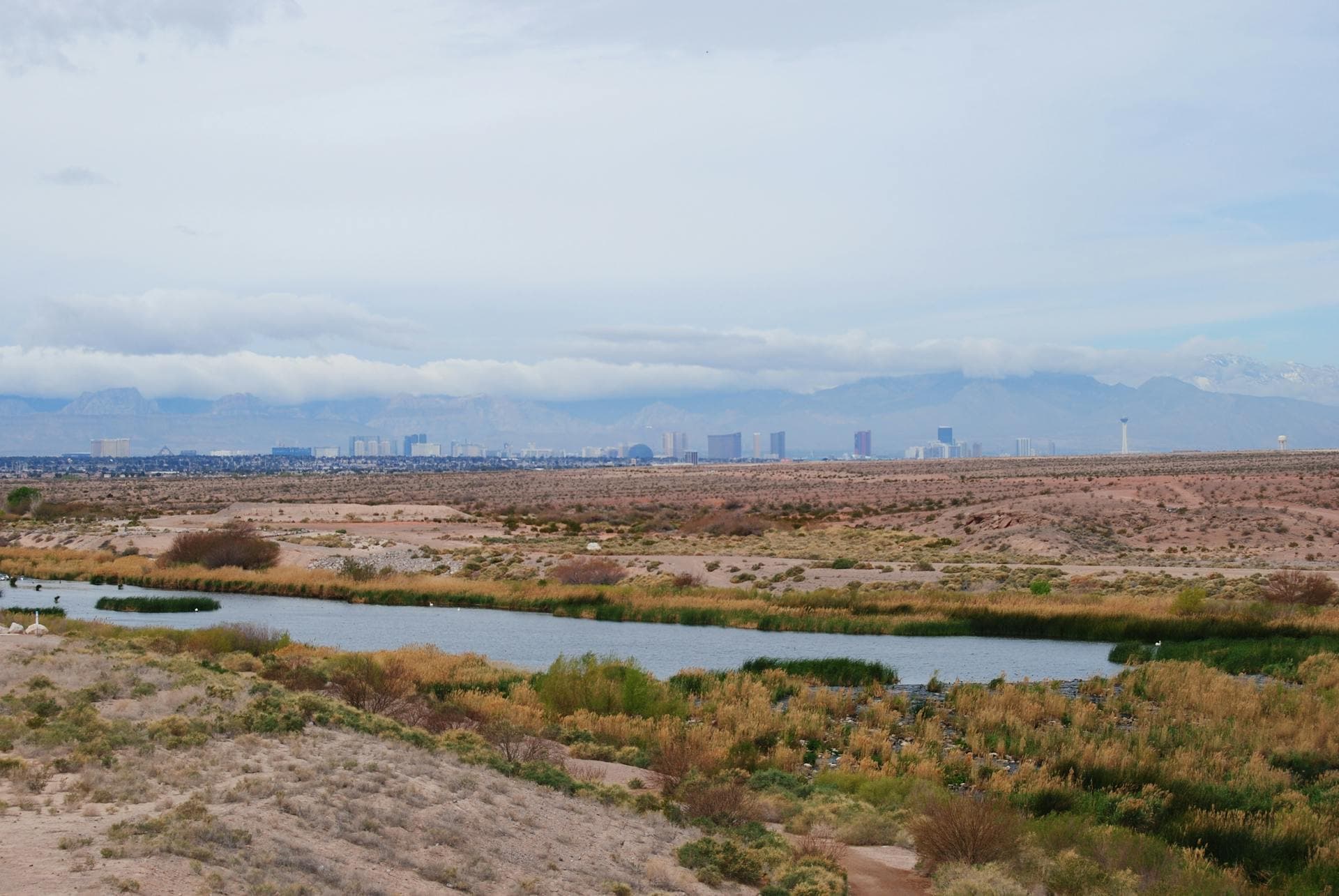
Henderson
Henderson Nevada desert landscape with Las Vegas skyline and mountains in the distance
Photo by Brent Baumgartner on Pexels
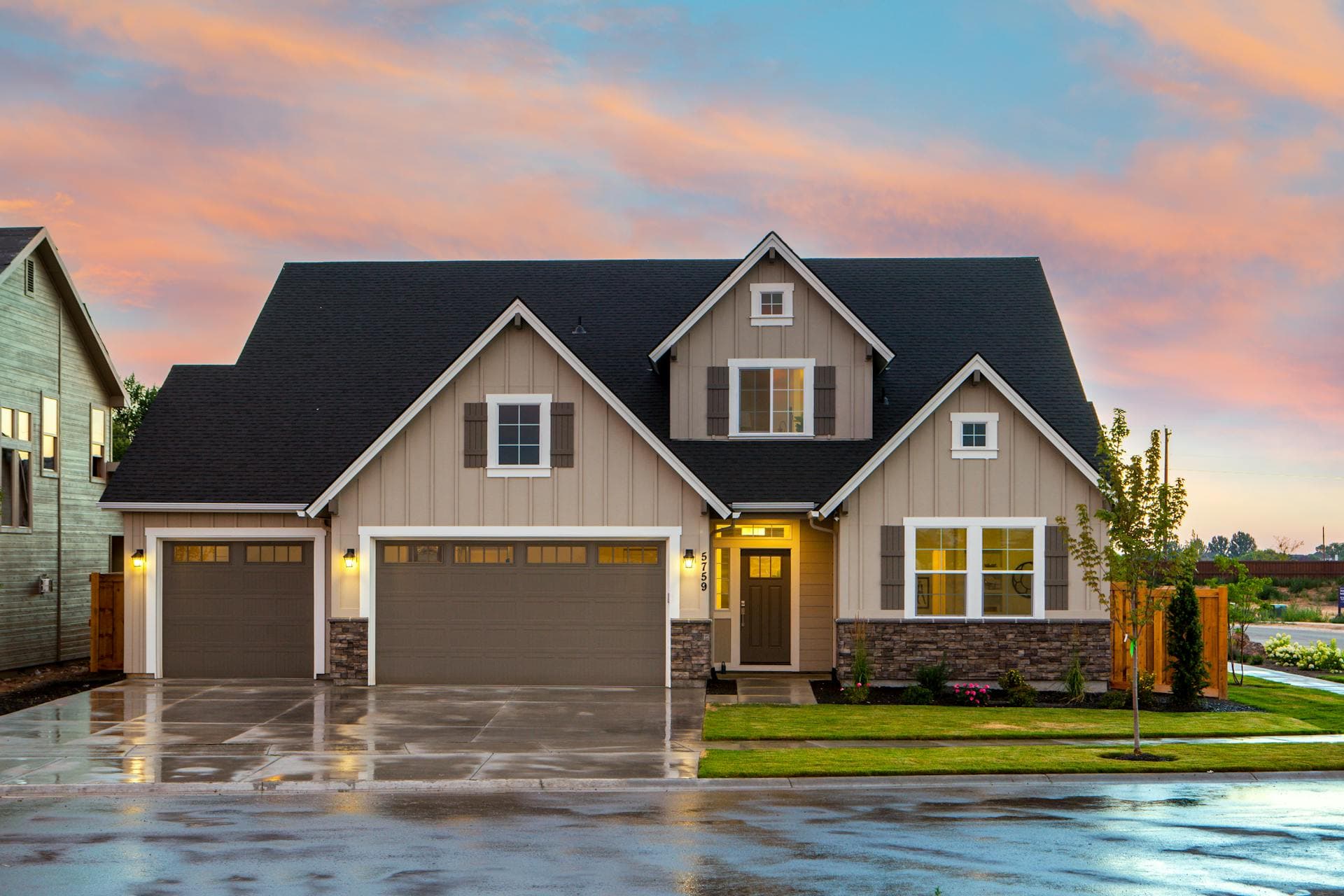
Summerlin
Modern suburban family home typical of Las Vegas master-planned communities
Photo by Binyamin Mellish on Pexels
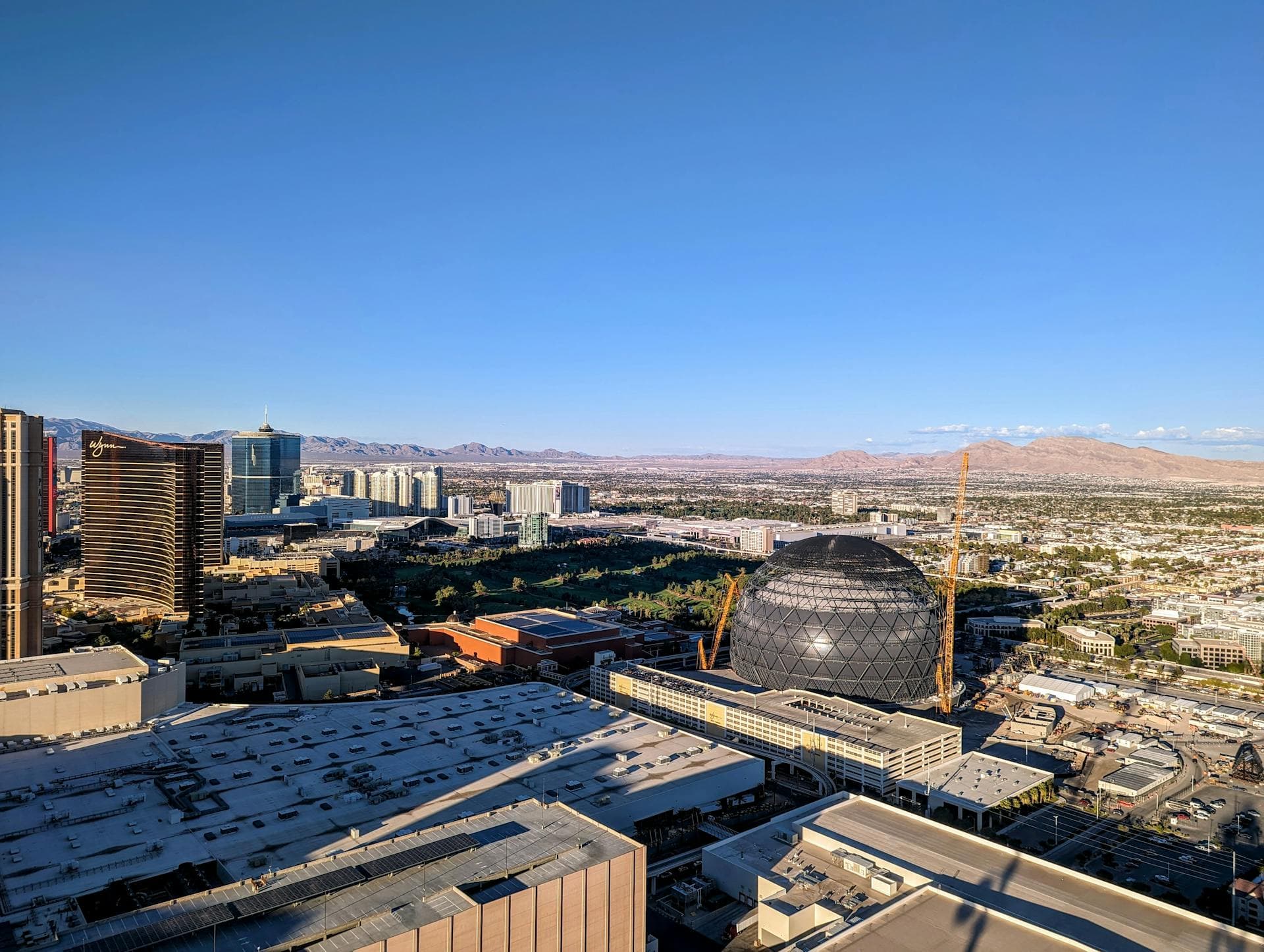
Residential Area
Aerial view of Las Vegas with the Sphere venue and resort hotels
Photo by Akio on Pexels
Local Climate
Red Rock Canyon red rock formations near Las Vegas Nevada
Photo by Busy Bee and Green Tea on Unsplash

Local Landmark
The City of Las Vegas Thanks You gateway arch sign with downtown skyline
Photo by Vitor Milanez on Pexels
Frequently Asked Questions
Common questions about emergency HVAC repair in Las Vegas, Nevada
Still have questions? Call our 24/7 emergency line.
Call (855) 321-3346More Cities in Nevada
Emergency HVAC repair in nearby NV cities
Need Emergency HVAC Repair?
Call now for 24/7 emergency AC and heating repair in Las Vegas, Nevada. Licensed, insured professionals available around the clock.
(855) 321-3346 — Emergency Service