Emergency HVAC Repair in PhoenixArizona
24/7 emergency AC and heating repair from certified local technicians in Phoenix, Arizona.
Assess Your HVAC Emergency
Identify the severity of your issue and take the right action
Monitor & Schedule
- Weak or uneven airflow
- Unusual noises (buzzing, rattling)
- Thermostat not responding correctly
- Slight temperature inconsistency
Call Today
- No cooling or heating output
- System short-cycling repeatedly
- Strange smells from vents
- Water leaking from unit
Call Now — Emergency
- Gas smell near furnace
- Electrical burning smell
- Complete system failure
- Carbon monoxide alarm triggered
Why HVAC Emergencies Happen in Phoenix
Phoenix's climate puts extreme stress on HVAC systems. Understanding local conditions helps you prevent failures.
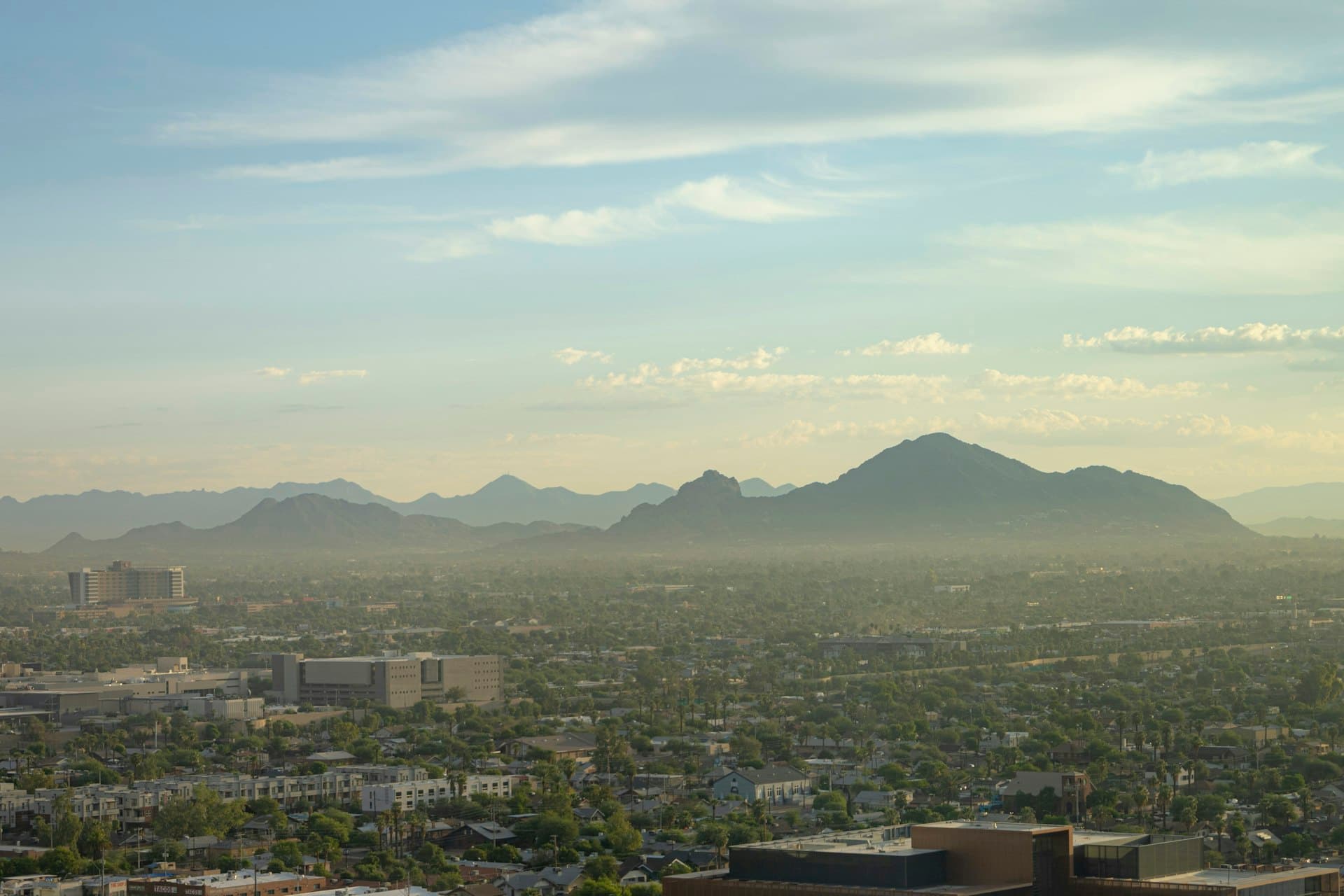
Photo by James A. Molnar on Unsplash
Extreme heat with 100+ days above 100F annually, often exceeding 110-115F
AC systems run 6-8 months continuously, causing accelerated wear
Desert dust and haboobs clog filters and coat condenser coils rapidly
Best Months
Avoid if Possible
- AC accounts for 40-50% of summer energy bills in Phoenix
- Higher SEER2 ratings reduce energy consumption - 16 SEER2 uses 12-13% less energy than 14 SEER2
- Variable capacity systems can reduce energy costs significantly compared to standard units
- SRP Cool Cash rebates available for energy-efficient systems
- Long-term energy savings substantial with high-efficiency systems
The extreme heat places enormous strain on air conditioning components. Compressors must work overtime just to maintain comfortable indoor temperatures, leading to accelerated wear on motors, capacitors, and electrical components. Unlike systems in moderate climates that cycle on and off throughout the day, Phoenix AC units often run for extended periods without rest, causing thermal stress that shortens component life. Studies show that HVAC systems in Phoenix typically last only 10-12 years compared to the national average of 15-20 years.
Beyond the heat, Phoenix's desert environment presents unique challenges from dust and low humidity. Frequent dust storms, known locally as haboobs, deposit fine particles that quickly clog air filters and coat condenser coils. This dust accumulation acts as insulation on condenser coils, preventing efficient heat release and forcing the system to work even harder. Phoenix homeowners must check their air filters monthly during the cooling season from April through October, often replacing them every 30 days rather than the 90-day intervals recommended in other climates.
The lack of humidity in Phoenix creates additional problems for HVAC equipment. Dry conditions cause rubber seals to crack, electrical insulation to deteriorate, and materials throughout the system to degrade faster than in humid environments. This combination of extreme heat, continuous operation, dust infiltration, and low humidity creates the perfect storm of conditions that demand robust equipment, proper sizing, and vigilant maintenance to keep Phoenix homes comfortable and systems running efficiently.
How Phoenix's Climate Affects Materials
Standard A C units
Reduced lifespan due to continuous operation in extreme heat
Variable speed systems
Better performance in sustained heat, more efficient cycling
Heat pumps
Excellent choice for Phoenix due to mild winters and efficient cooling
Your Home Temperature Risk
When your HVAC fails in Phoenix, indoor temperatures can reach dangerous levels
In Phoenix's heat, a broken AC can push indoor temperatures past 100°F within hours. Heat stroke risk increases significantly — especially for children and elderly residents.
(855) 321-3346 — Get Emergency HelpPhoenix's extreme heat makes AC failure particularly hazardous for vulnerable populations including young children, elderly residents, and those with health conditions. Indoor temperatures in an uncooled Phoenix home can rise to dangerous levels within hours during peak summer, creating conditions that cause heat exhaustion or heat stroke. The city regularly issues excessive heat warnings, and every summer brings tragic stories of heat-related deaths.
Recognizing the warning signs of impending system failure helps you act before a complete breakdown occurs. Strange noises from your unit, reduced cooling capacity, warm air blowing from vents, ice on refrigerant lines, or a system that runs constantly without reaching set temperature all indicate problems requiring immediate professional attention.
Several Phoenix HVAC companies specialize in emergency response. Emergency Air Heating Cooling and Plumbing operates 24/7 year-round and serves as the official HVAC partner of the Arizona Cardinals, reflecting their scale and reliability. They have over 20 years of experience and dispatch technicians to Phoenix neighborhoods including Ahwatukee Foothills, Desert Ridge, Paradise Valley, and throughout the metro area. Chas Roberts offers emergency AC services including weekends with the phone line 602-386-2732 for immediate response.
While waiting for emergency service, take steps to protect your family and prevent further damage. Move vulnerable family members to a cooled location if possible, whether a neighbor's home, community cooling center, or air-conditioned vehicle. Close blinds and curtains to block solar heat gain. Stay hydrated and recognize signs of heat illness. Document any visible damage or unusual sounds from the unit for the technician.
Common causes of emergency failures in Phoenix include capacitor burnout from heat stress, compressor failure from overwork, and condenser fan motor problems from grease buildup or dust infiltration. Capacitor issues are relatively quick repairs often completed within an hour, while compressor replacement may require more extensive work or system replacement if the unit is older.
HVAC Systems We Repair in Phoenix
Variable speed inverter systems have emerged as the gold standard for Phoenix installations, representing the most popular choice among homeowners seeking optimal performance. These systems use inverter-driven compressors that can precisely modulate cooling output rather than simply cycling on and off. In Phoenix's sustained heat, this translates to more consistent temperatures, dramatically reduced energy consumption, and significantly quieter operation. The extended lifespan of 18-25 years and energy savings of up to 26 percent compared to conventional units make them an excellent long-term investment for desert living.
Heat pumps have gained significant traction in Phoenix and represent an excellent alternative to traditional AC plus furnace combinations. Modern heat pumps perform efficiently even when outdoor temperatures exceed 110 degrees Fahrenheit, and they excel during Arizona's mild winters when heating is occasionally needed but temperatures rarely drop to freezing. The National Resources Defense Council reports that replacing an older AC with a heat pump can improve cooling efficiency by 50 percent while providing heating capability.
Standard central air conditioning systems meeting the minimum SEER2 rating of 14.3 remain available and provide adequate cooling for budget-conscious homeowners, though they consume more energy and experience greater wear from the constant cycling required in extreme heat. Mid-efficiency systems in the 16+ SEER2 range offer a reasonable middle ground with better performance and reduced energy consumption. Ductless mini-split systems provide zone-by-zone control and work well for room additions or homes with inadequate ductwork, though they are typically supplemental rather than whole-home solutions. Each system type has distinct advantages depending on your home's specific needs and your priorities for efficiency and comfort.
HVAC Repair Requirements in Phoenix
The process typically takes two to four weeks for standard residential HVAC installations, though some minor work may qualify for same-day over-the-counter permits. Your contractor should handle the permit application, submitting required documentation including equipment specifications and installation plans. All contractors must be licensed through the Arizona Registrar of Contractors (ROC) to perform HVAC work.
Phoenix adopted the 2024 Phoenix Building Construction Code effective August 1, 2025, which includes updated standards for HVAC installations. Required inspections verify proper installation, refrigerant handling, and electrical connections. Your contractor should schedule these inspections to avoid project delays and ensure your installation passes on the first attempt.
Choosing a HVAC emergency technician in Phoenix
Start by verifying Arizona Registrar of Contractors licensing and EPA Section 608 certification, which is mandatory for handling refrigerants. Top Phoenix contractors like American Home Water and Air, Hobaica Services, and Magic Touch Mechanical carry additional credentials like NATE certification and maintain excellent reputations built over decades of service. Look for companies offering 24/7 emergency service, as AC failures during Phoenix summers can be dangerous.
Critical to any installation is a Manual J load calculation, which determines the proper system size for your specific home. Contractors who skip this step and simply match your existing equipment size may install undersized systems that run continuously or oversized units that short-cycle and wear out prematurely. Request this calculation as part of any replacement quote.
Get written estimates from at least three contractors, comparing not just equipment specifications and warranty terms but also included services. Top contractors represent multiple brands at various efficiency levels, including Carrier, Trane, Lennox, Bosch, and Goodman, allowing you to choose based on your efficiency goals and comfort requirements. Be wary of contractors who demand large upfront payments, cannot provide references, or pressure you for immediate decisions. Quality HVAC installation in Phoenix is an investment that should last 10-15 years or more with proper maintenance.
Local Insights
Paradise Valley represents the luxury end of the Phoenix market, where sprawling estates often require sophisticated multi-zone systems capable of independently controlling temperatures across large square footage. These high-end installations frequently incorporate whole-home air filtration and humidity control to maintain pristine indoor air quality despite the dusty desert environment. Arcadia presents different challenges, with its mix of historic homes and modern renovations requiring creative retrofit solutions to integrate efficient HVAC into older structures never designed for central air conditioning.
Central Phoenix encompasses the city's oldest housing stock, where aging infrastructure and outdated electrical systems often complicate HVAC upgrades. Many homes in this area still run on undersized or inefficient equipment, making them prime candidates for system replacement and duct sealing. North Gateway offers a mix of housing ages with consistently strong demand for AC services, as the area's rapid growth has created neighborhoods where both new installations and system replacements are common. Throughout all these areas, the brutal summer heat unites Phoenix homeowners in their reliance on air conditioning, making HVAC system selection and maintenance a critical concern regardless of neighborhood.
Do not delay calling for emergency service during extreme heat. Attempting DIY repairs on electrical components or refrigerant systems is dangerous and may void warranties. Professional technicians have the training, tools, and parts to restore cooling quickly. Act fast, stay safe, and trust experienced Phoenix HVAC professionals to get your system running when every degree matters.
Verified HVAC technicians
Certified emergency technicians serving Phoenix, Arizona. Available 24/7 for AC and heating emergencies.
American Home Water and Air
One of Phoenix's largest HVAC companies with strong reputation
Hobaica Services
4.9 · 1200 reviews
Magic Touch Mechanical
4.9 · 1500 reviews
Larson Air Conditioning
4.9 · 648 reviews
Ideal Air Conditioning and Insulation
4.8 · 450 reviews
Emergency Air Heating Cooling & Plumbing
4.8 · 800 reviews
+ 1 more HVAC technicians
More HVAC technicians in Phoenix
AC by J
Known for educational content on Arizona HVAC issues
Ready to Get Started?
Connect with a licensed HVAC emergency technician in Phoenix — available 24/7 for emergencies.
(855) 321-3346 — Emergency ServiceQuick Troubleshooting Guide
Try these steps before calling. If they don't work, we're here 24/7.
Check your thermostat settings
Make sure it's set to the correct mode (heat/cool) and the temperature is set correctly.
If this doesn't work ↓
Inspect your air filter
A clogged filter can restrict airflow and cause your system to overheat or freeze up.
If this doesn't work ↓
Check the circuit breaker
A tripped breaker can cut power to your HVAC system. Reset it and see if the system restarts.
If this doesn't work ↓
Check the outdoor unit
Make sure the outdoor unit is clear of debris and the fan is spinning when the system runs.
Still not working? Call a pro.
(855) 321-3346 — Emergency ServiceComplete Phoenix Emergency HVAC Repair Guide
Everything you need to know about emergency hvac repair in Phoenix. Expand any section for details.
Interior Signs
- Hot spots or uneven temperatures throughout the home
- High humidity levels indoors despite AC running
- Increased dust or poor indoor air quality
- Thermostat not maintaining set temperature
- Strange odors when system runs
Exterior Signs
- Unusual noises from outdoor unit (grinding, squealing, banging)
- Ice formation on refrigerant lines or coils
- Grease buildup around condenser unit shaft
- Visible rust or corrosion on unit
- Condenser fan not rotating when system is on
25% Rule: If your unit is over 10 years old and experiencing frequent repairs, replacement is typically more practical. R-22 refrigerant systems should be replaced regardless of age due to the refrigerant phase-out.
Phoenix at a Glance
Local climate conditions and neighborhoods where HVAC emergencies are most common
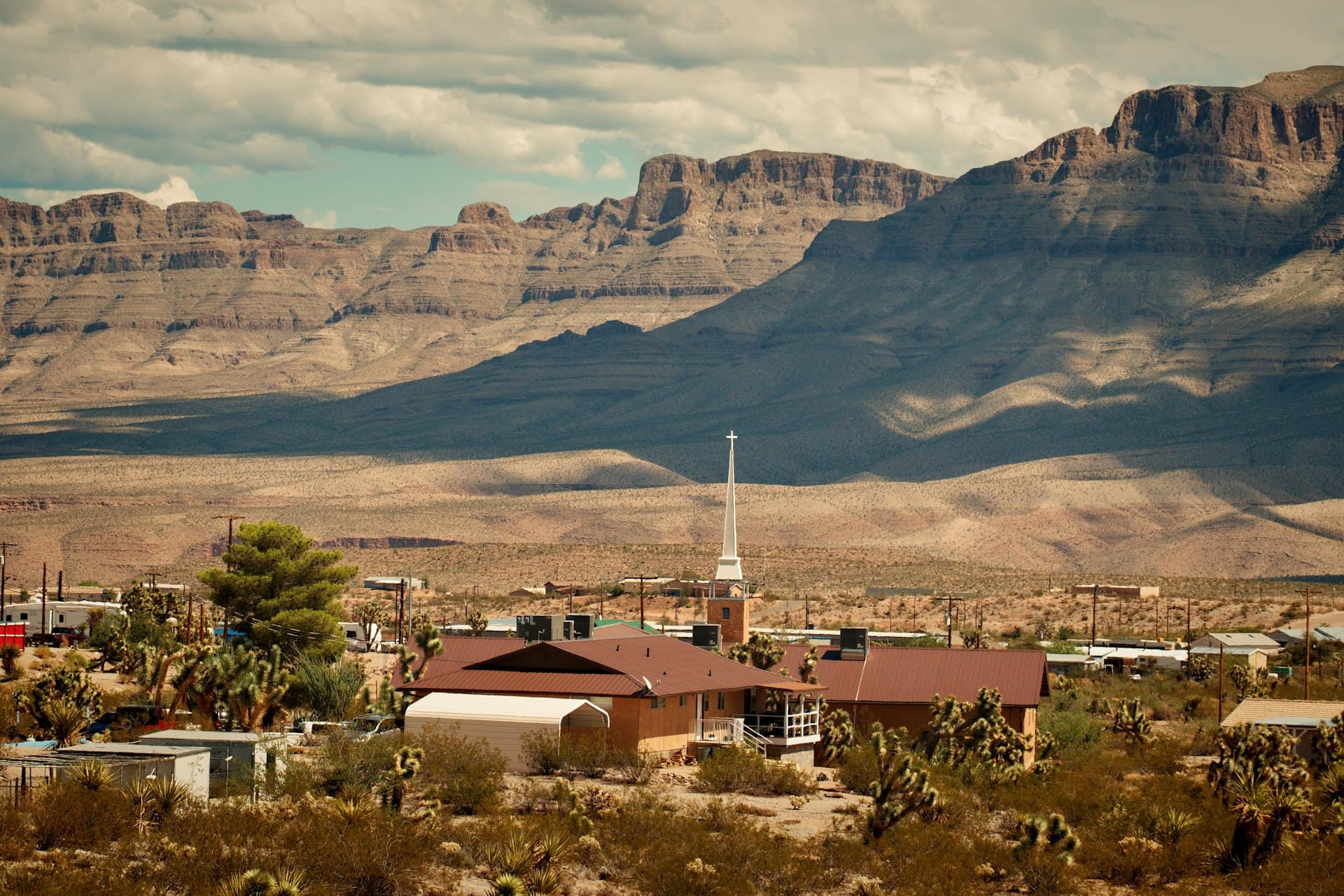
Ahwatukee Foothills
Arizona desert town with residential homes and dramatic mountain cliffs in the background
Photo by Michael Yantis on Unsplash
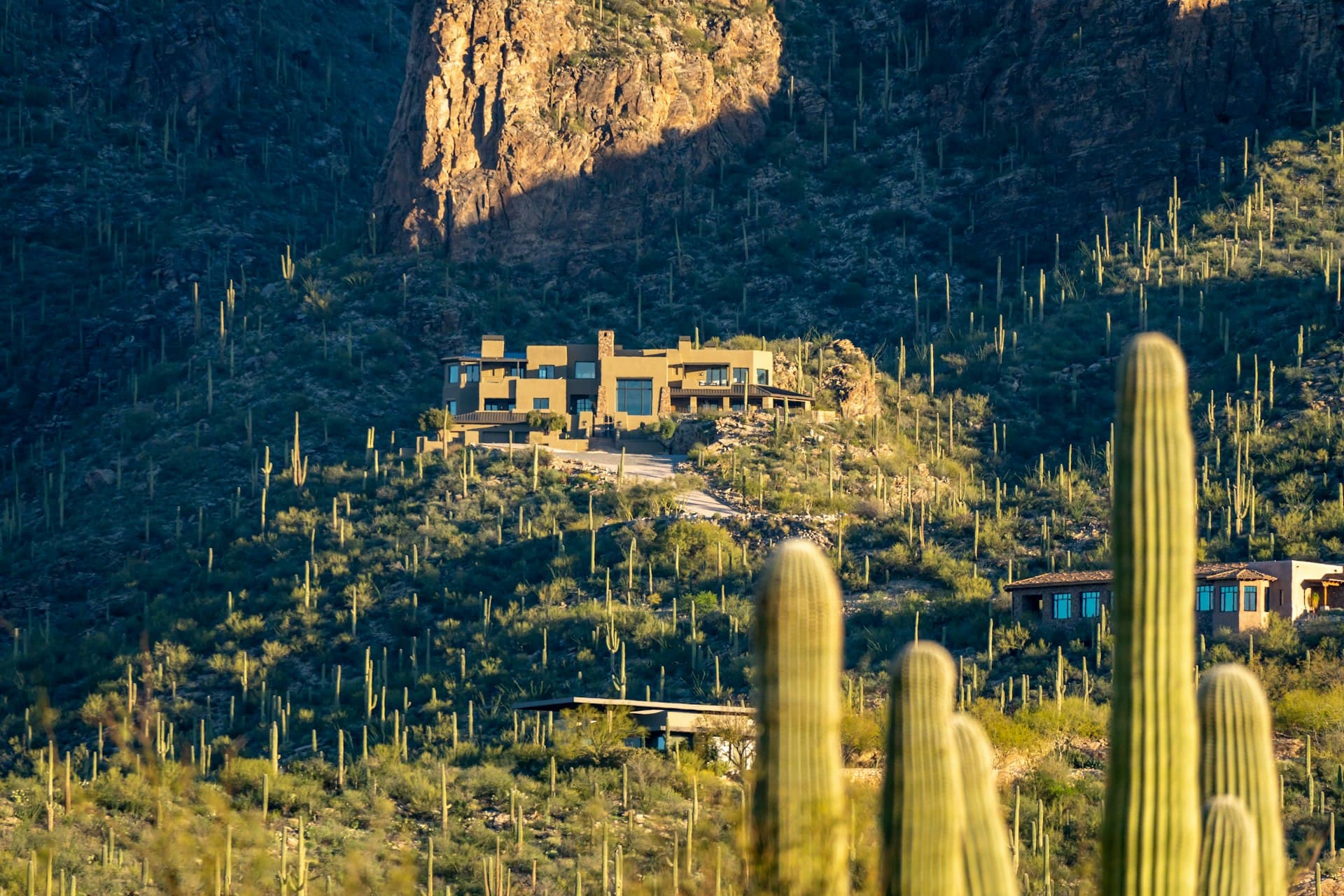
Paradise Valley
Luxury hillside home nestled among saguaro cacti in the Phoenix Arizona mountains
Photo by JC Cervantes on Unsplash
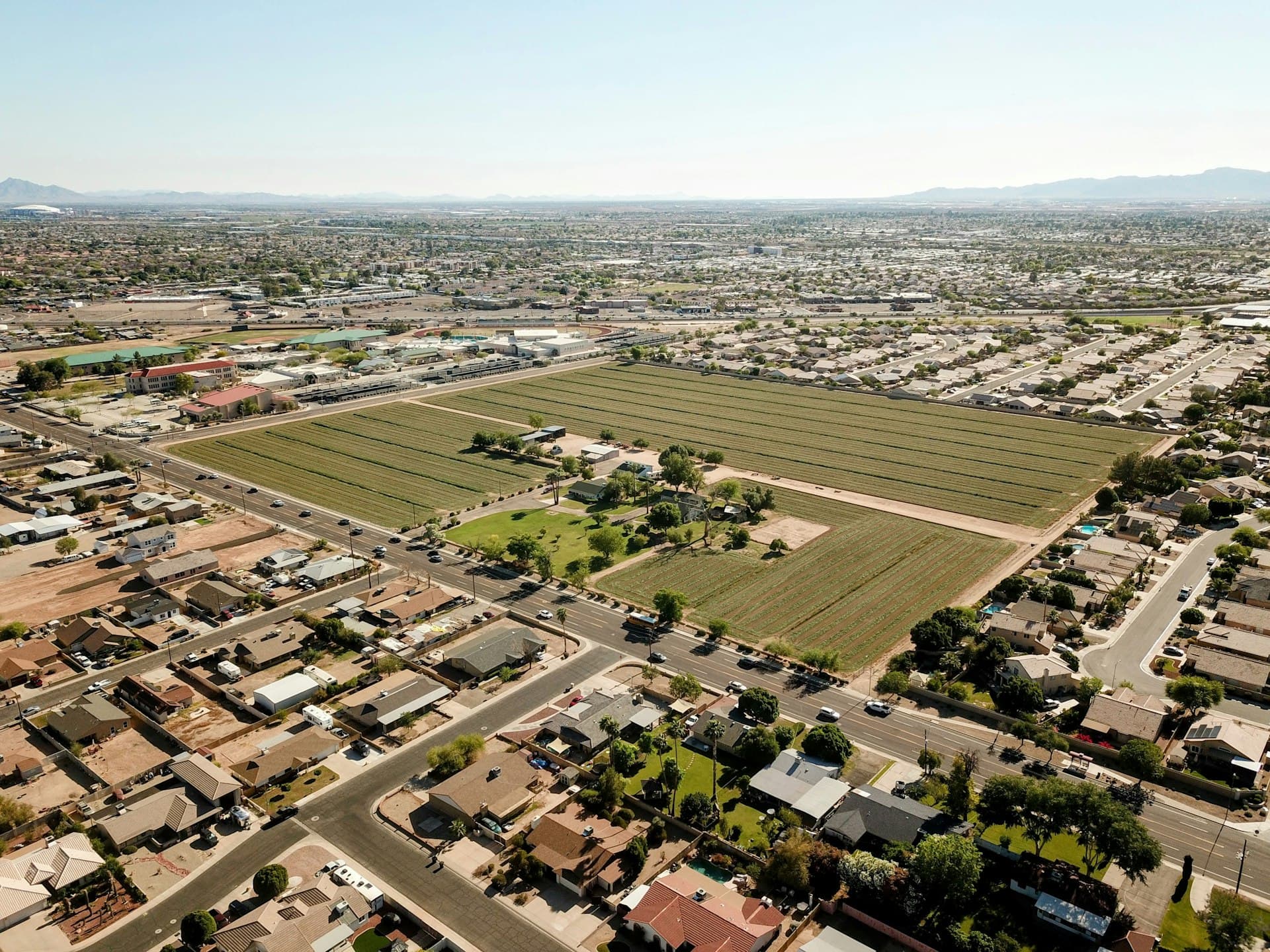
Residential Area
Aerial view of Phoenix metro residential neighborhoods showing typical suburban development
Photo by Avi Waxman on Unsplash
Local Climate
Phoenix valley view with Camelback Mountain showing hazy heat conditions typical of Arizona summers
Photo by James A. Molnar on Unsplash
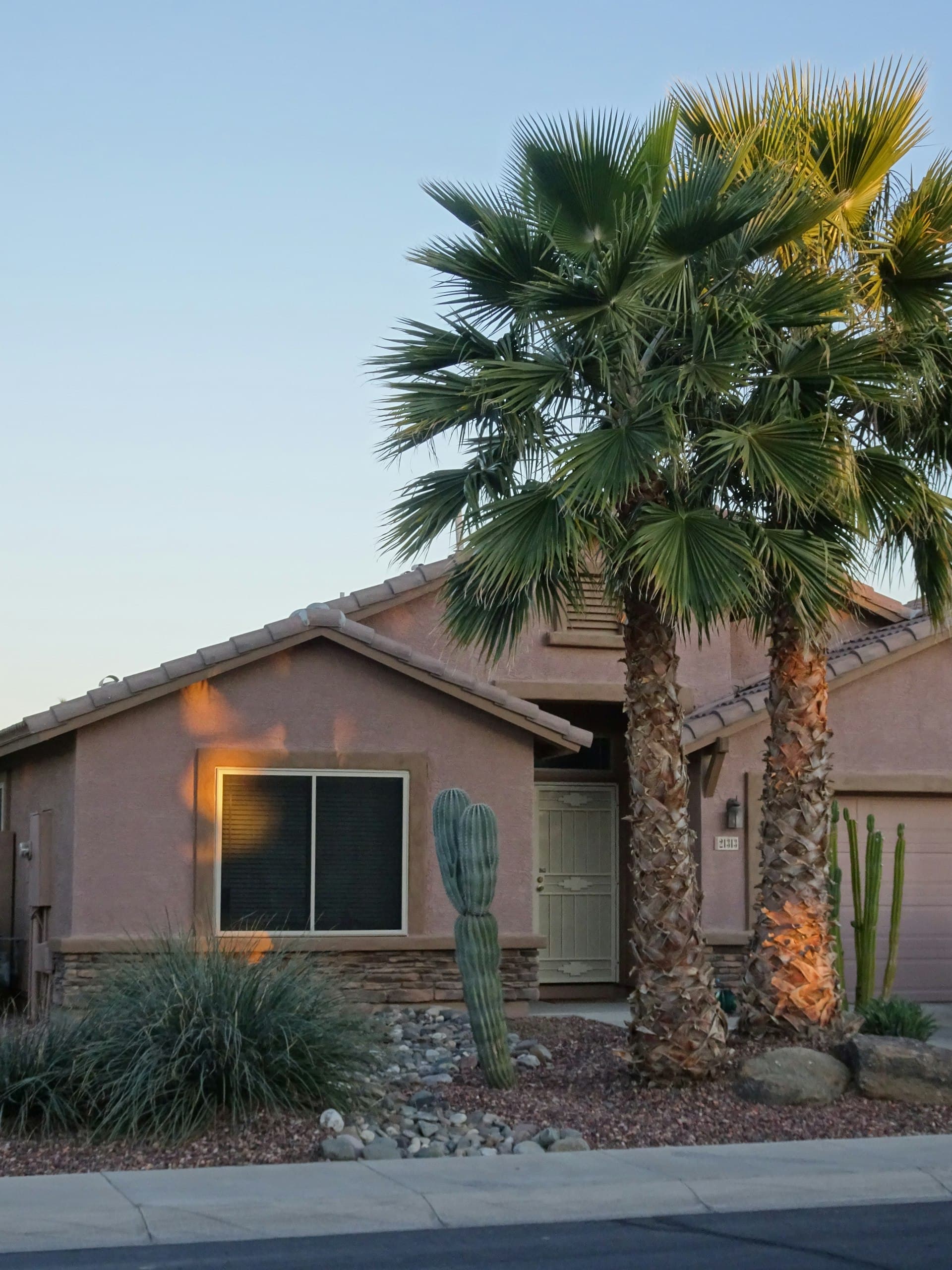
Local Landmark
Typical Phoenix Arizona home with desert landscaping palm tree and stucco exterior
Photo by Natalie Brennan on Unsplash
Frequently Asked Questions
Common questions about emergency HVAC repair in Phoenix, Arizona
Still have questions? Call our 24/7 emergency line.
Call (855) 321-3346More Cities in Arizona
Emergency HVAC repair in nearby AZ cities
Need Emergency HVAC Repair?
Call now for 24/7 emergency AC and heating repair in Phoenix, Arizona. Licensed, insured professionals available around the clock.
(855) 321-3346 — Emergency Service