Emergency HVAC Repair in MesaArizona
24/7 emergency AC and heating repair from certified local technicians in Mesa, Arizona.
Assess Your HVAC Emergency
Identify the severity of your issue and take the right action
Monitor & Schedule
- Weak or uneven airflow
- Unusual noises (buzzing, rattling)
- Thermostat not responding correctly
- Slight temperature inconsistency
Call Today
- No cooling or heating output
- System short-cycling repeatedly
- Strange smells from vents
- Water leaking from unit
Call Now — Emergency
- Gas smell near furnace
- Electrical burning smell
- Complete system failure
- Carbon monoxide alarm triggered
Why HVAC Emergencies Happen in Mesa
Mesa's climate puts extreme stress on HVAC systems. Understanding local conditions helps you prevent failures.
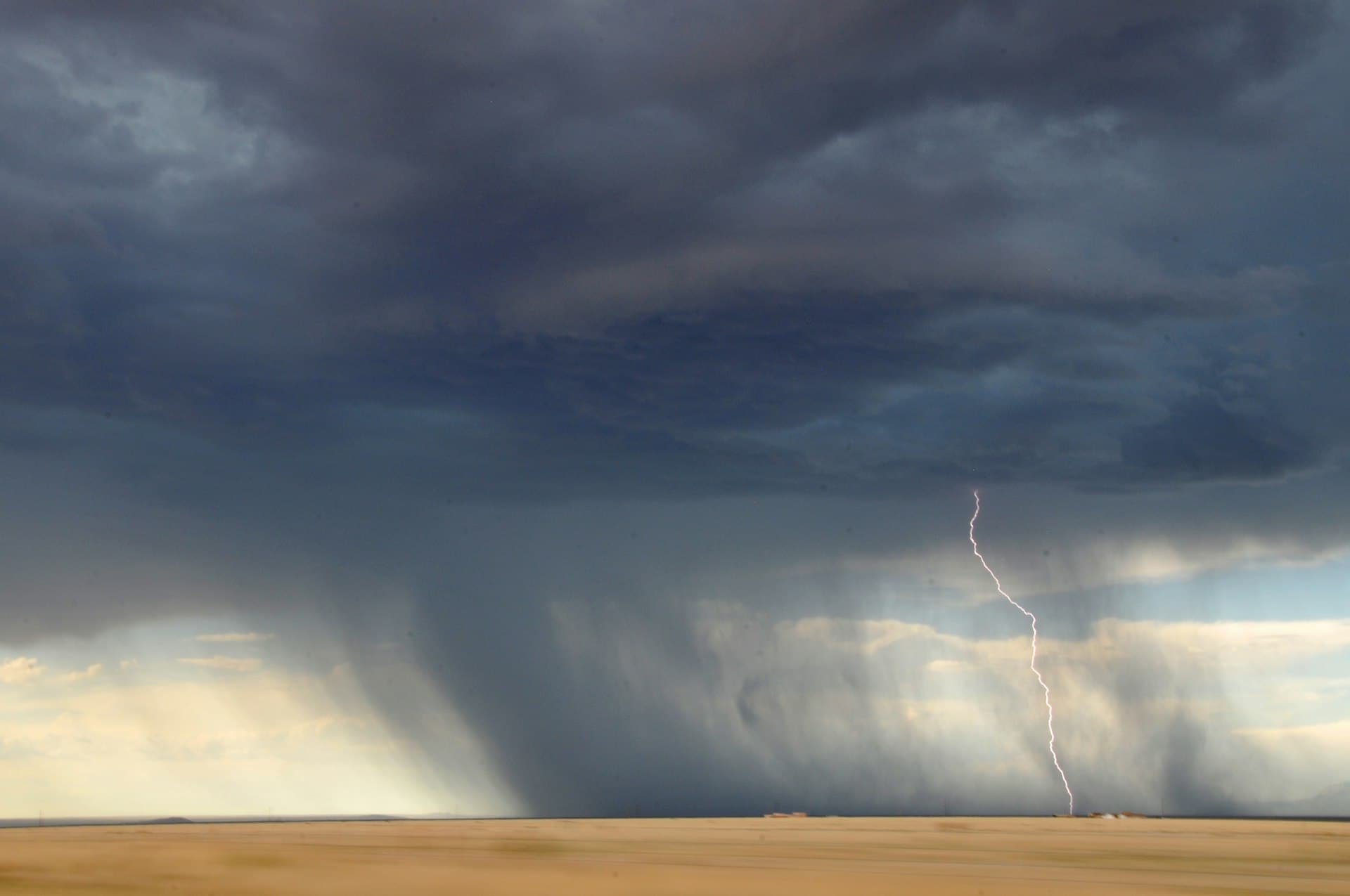
Photo by Lucy Chian on Unsplash
Extreme summer heat regularly exceeding 115°F with record highs of 120°F
80+ days per year above 100°F requiring continuous AC operation
Monsoon season (June 15 - September 30) brings haboob dust storms
Best Months
Avoid if Possible
- Arizona homes use 60-70% more energy for cooling than national average
- High-SEER units provide significant monthly savings on electricity
- Smart thermostats can reduce energy consumption by 10%
- Proper insulation and duct sealing critical for efficiency
The Sonoran Desert environment creates multiple challenges beyond raw heat. Monsoon season, running from mid-June through late September, brings intense dust storms known as haboobs that can reduce AC system efficiency by 15 to 20 percent if coils are not regularly cleaned. These fine particles infiltrate outdoor condensing units, coating coils and blocking airflow. The intense Arizona sun also delivers some of the nation's strongest UV radiation, which degrades plastic components, rubber seals, and wire insulation on outdoor units far faster than in northern states.
These extreme conditions have measurable impacts on HVAC equipment longevity. According to HVAC industry data, component failure rates in Arizona run 40 to 60 percent higher than in moderate climates. Compressors that might last 12 to 18 years elsewhere typically fail within 8 to 12 years in Mesa. Capacitors, critical for starting motors, last only 3 to 5 years versus 7 to 10 years normally. The continuous operation without rest cycles creates thermal stress that systematically breaks down mechanical and electrical components. Mesa homeowners should plan for more frequent repairs and potentially earlier system replacement than homeowners in cooler regions. Understanding this reality helps residents budget appropriately and maintain their systems proactively.
How Mesa's Climate Affects Materials
compressors
Continuous operation causes wear, lasting 8-12 years vs 12-18 in moderate climates
capacitors
Heat stress causes failure in 3-5 years vs 7-10 normally
contactors
Fail in 5-8 years vs 10-15 years in moderate climates
refrigerant Lines
Temperature swings cause expansion/contraction stress
outdoor Coils
Dust coating requires monthly cleaning during monsoon
Your Home Temperature Risk
When your HVAC fails in Mesa, indoor temperatures can reach dangerous levels
In Mesa's heat, a broken AC can push indoor temperatures past 100°F within hours. Heat stroke risk increases significantly — especially for children and elderly residents.
(855) 321-3346 — Get Emergency HelpSeveral Mesa contractors specialize in emergency response. Emergency Air Heating Cooling and Plumbing, the official HVAC partner of the Arizona Cardinals and Diamondbacks, offers 24/7 service with same-day response. Goettl maintains 67 trucks serving the Mesa area around the clock, with technicians carrying common parts for immediate repairs. Aristotle Air Conditioning and Heating provides after-hours emergency appointments from their Mesa location.
While waiting for emergency service, take steps to protect yourself and minimize damage. Close blinds and curtains to block solar heat gain. Use portable fans to circulate air. If temperatures become dangerous, relocate to a cooling center, friend's home, or air-conditioned public space. Do not attempt DIY repairs on refrigerant systems, as this violates federal law and risks injury.
For insurance purposes, document the failure and any damage with photos. Most homeowners policies cover sudden equipment breakdowns but not gradual wear. Contact your insurer within 24 to 48 hours if filing a claim. Keep all repair receipts and technician reports.
Common emergency failures in Mesa include capacitor burnout from heat stress, contactor failures from continuous operation, compressor failures from thermal overload, and refrigerant leaks from expansion and contraction stress on lines. Experienced technicians can often complete these repairs within hours, restoring cooling the same day.
HVAC Systems We Repair in Mesa
Central air conditioning systems remain the dominant choice in Mesa, typically paired with either gas furnaces or electric air handlers. Standard single-stage systems in the 14 to 16 SEER2 range provide reliable cooling but run continuously during peak summer, consuming more energy. Two-stage systems offer improved comfort by running at lower capacity during moderate conditions, stepping up only when temperatures spike above 110 degrees.
Variable-speed inverter systems represent the premium tier for Mesa homeowners seeking maximum efficiency and comfort. Brands like Bosch, Carrier Infinity, and American Standard Platinum offer SEER ratings from 18 to 26, the highest efficiency available. These systems modulate their output precisely, maintaining consistent temperatures within half a degree while operating whisper-quiet. For Mesa's extreme conditions, the efficiency gains translate to significant monthly energy savings during the long cooling season. Variable-speed compressors also experience less thermal stress from constant on-off cycling, potentially extending equipment life in the demanding desert environment.
Heat pumps have gained popularity in Mesa because they provide both cooling and heating from a single system. Since Mesa winters are mild, rarely dropping below 40 degrees, heat pumps operate efficiently year-round. They qualify for enhanced federal tax credits and eliminate the need for a separate furnace, simplifying system maintenance. Heat pumps are particularly well-suited for Mesa's climate profile where heating demands are minimal.
Ductless mini-split systems work well for room additions, guest casitas, or older homes without existing ductwork. These systems offer zone-by-zone temperature control, allowing homeowners to cool only occupied spaces. American Standard's dust-resistant spine fin coils handle Arizona's particulate-heavy air better than traditional coil designs, reducing maintenance frequency. For maximum longevity in Mesa's punishing climate, investing in systems with commercial-grade electrical components rated for high-temperature operation pays dividends over the equipment's life.
HVAC Repair Requirements in Mesa
The permit process typically takes one to five business days for approval. Once installation is complete, the city conducts an inspection to verify the work meets building codes. Mesa follows the International Mechanical Code, with the 2024 codes going into effect on January 8, 2026. Contractors must ensure installations comply with current requirements regarding refrigerant handling, electrical connections, and equipment placement.
For permit questions or to verify a contractor's license status, contact Mesa Development Services at 480-644-4273 or email PermitServices@mesaaz.gov. The department operates Monday through Thursday, 7 AM to 6 PM, with essential service call center hours on Fridays. All legitimate HVAC contractors in Arizona must hold a valid ROC (Registrar of Contractors) license, which you can verify online at roc.az.gov. Residential HVAC work requires an R-39 license classification, while commercial work requires a C-39 license. Many contractors hold the CR-79 dual license covering both residential and commercial air conditioning and refrigeration work.
Choosing a HVAC emergency technician in Mesa
Several established companies have built strong reputations serving Mesa homeowners. Goettl Air Conditioning and Plumbing has operated in Arizona since 1939, maintaining a 4.7-star rating across more than 13,000 Google reviews. They offer 24/7 emergency service with 67 trucks serving the Mesa area. Aristotle Air Conditioning and Heating, located in Mesa at 7318 S 89th Pl, has earned excellent reviews as a family-owned Bryant dealer. Magic Touch Mechanical, founded in Mesa in 1997, specializes in high-efficiency variable-speed systems and represents brands including Trane, Lennox, and Bosch. Emergency Air partners with the Arizona Cardinals and Diamondbacks while providing round-the-clock emergency repairs.
When evaluating contractors, look for NATE certification, which indicates technicians have passed rigorous industry testing. Request written estimates before work begins and compare quotes from at least three companies. Be wary of unusually low bids, which often indicate corner-cutting. Quality contractors will perform proper load calculations to size your system correctly rather than simply replacing with the same size unit. Ask about warranties on both parts and labor, as reputable companies stand behind their work for years. Finally, verify the contractor carries proper insurance and offers a satisfaction guarantee.
Local Insights
Red Mountain Ranch presents unique challenges as a golf community with larger homes requiring 3.5 to 5 ton systems. The expansive floor plans and vaulted ceilings common in this area demand properly sized equipment and careful load calculations to maintain comfort throughout. Las Sendas, the luxury community nestled against the Usery Mountains, features premium homes where high-end variable-speed systems match both the property values and homeowner expectations for whisper-quiet, precise temperature control.
The newer Eastmark development in southeast Mesa represents the latest in energy-efficient construction, with homes built to current energy codes and many featuring modern high-SEER systems from installation. HOA regulations here and throughout Mesa's master-planned communities often specify equipment screening and placement requirements, making it essential to work with contractors familiar with local community standards. Gold Canyon residents on Mesa's eastern edge face intensified dust challenges from the surrounding desert terrain, requiring more vigilant coil cleaning and filter maintenance, particularly during monsoon season when haboob dust storms sweep through the valley.
Verified HVAC technicians
Certified emergency technicians serving Mesa, Arizona. Available 24/7 for AC and heating emergencies.
Aristotle Air Conditioning & Heating
Family-owned, located in Mesa at 7318 S 89th Pl
Magic Touch Mechanical
4.8 · 800 reviews
Emergency Air Heating Cooling & Plumbing
4.8 · 650 reviews
True North Air Conditioning
4.8 · 203 reviews
Goettl Air Conditioning and Plumbing
4.7 · 13053 reviews
Honest Air Conditioning
4.7 · 380 reviews
+ 1 more HVAC technicians
More HVAC technicians in Mesa
We Fix It Home Services
Family-owned serving Pinal and Maricopa Counties
Ready to Get Started?
Connect with a licensed HVAC emergency technician in Mesa — available 24/7 for emergencies.
(855) 321-3346 — Emergency ServiceQuick Troubleshooting Guide
Try these steps before calling. If they don't work, we're here 24/7.
Check your thermostat settings
Make sure it's set to the correct mode (heat/cool) and the temperature is set correctly.
If this doesn't work ↓
Inspect your air filter
A clogged filter can restrict airflow and cause your system to overheat or freeze up.
If this doesn't work ↓
Check the circuit breaker
A tripped breaker can cut power to your HVAC system. Reset it and see if the system restarts.
If this doesn't work ↓
Check the outdoor unit
Make sure the outdoor unit is clear of debris and the fan is spinning when the system runs.
Still not working? Call a pro.
(855) 321-3346 — Emergency ServiceComplete Mesa Emergency HVAC Repair Guide
Everything you need to know about emergency hvac repair in Mesa. Expand any section for details.
Interior Signs
- Warm air blowing from vents despite thermostat setting
- Weak airflow or uneven cooling between rooms
- Unusual humidity levels indoors
- Burning or musty odors from vents
- Visible mold growth around vents or air handler
- Excessive dust despite filter changes
Exterior Signs
- Loud grinding, banging, or hissing noises from outdoor unit
- Ice formation on refrigerant lines or coils
- Water pooling around indoor or outdoor units
- Visible rust or corrosion on outdoor unit
- Condenser fan not spinning
- Refrigerant leaks (oily residue around connections)
25% Rule: If your AC is over 10 years old and repair needs are significant, replacement is typically the smarter financial choice. In Mesa's climate, systems over 15 years old should be proactively replaced before summer to avoid emergency failures during extreme heat.
Mesa at a Glance
Local climate conditions and neighborhoods where HVAC emergencies are most common
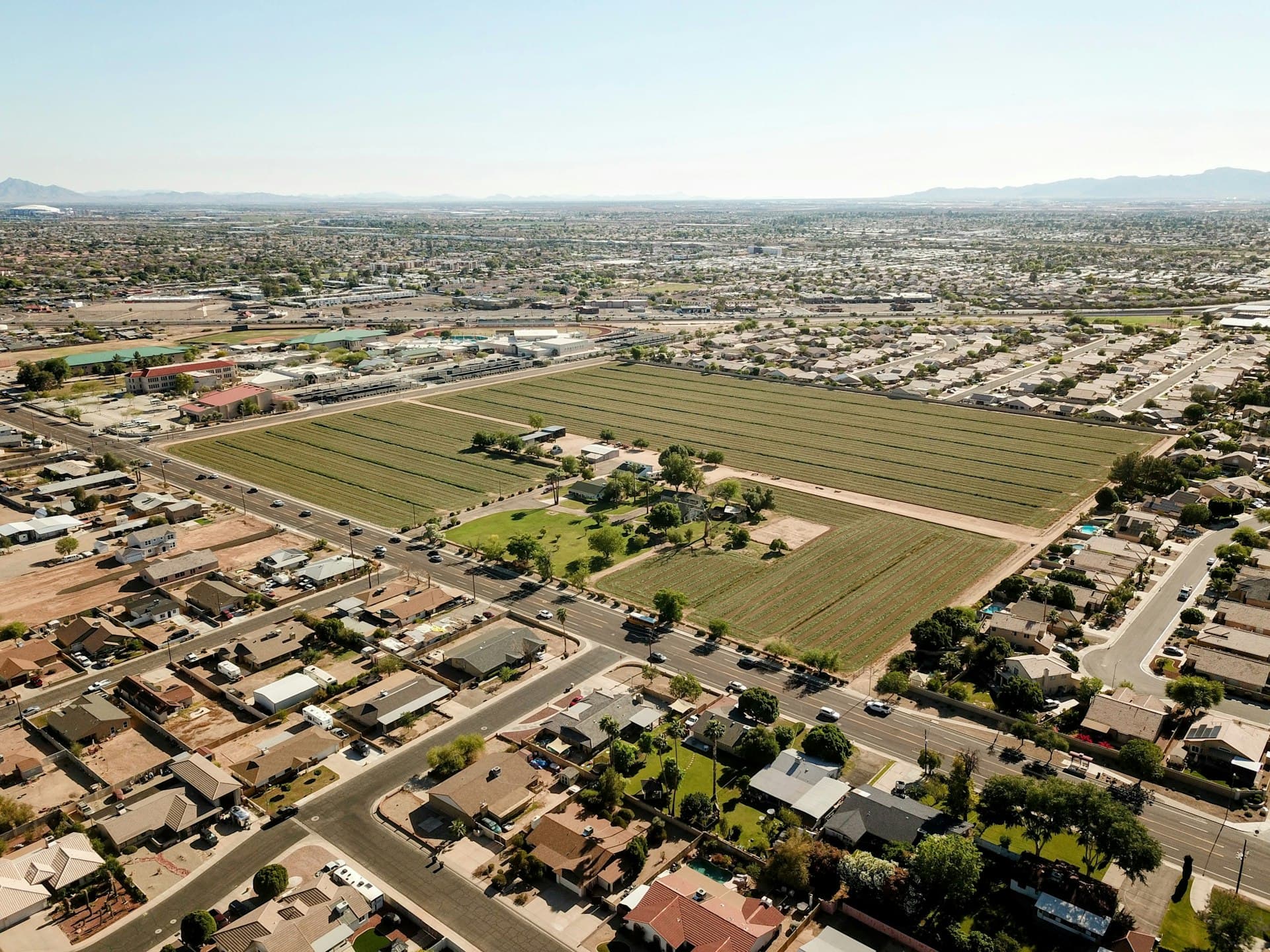
Dobson Ranch
Aerial view of Phoenix metro suburban neighborhood with farm field
Photo by Avi Waxman on Unsplash
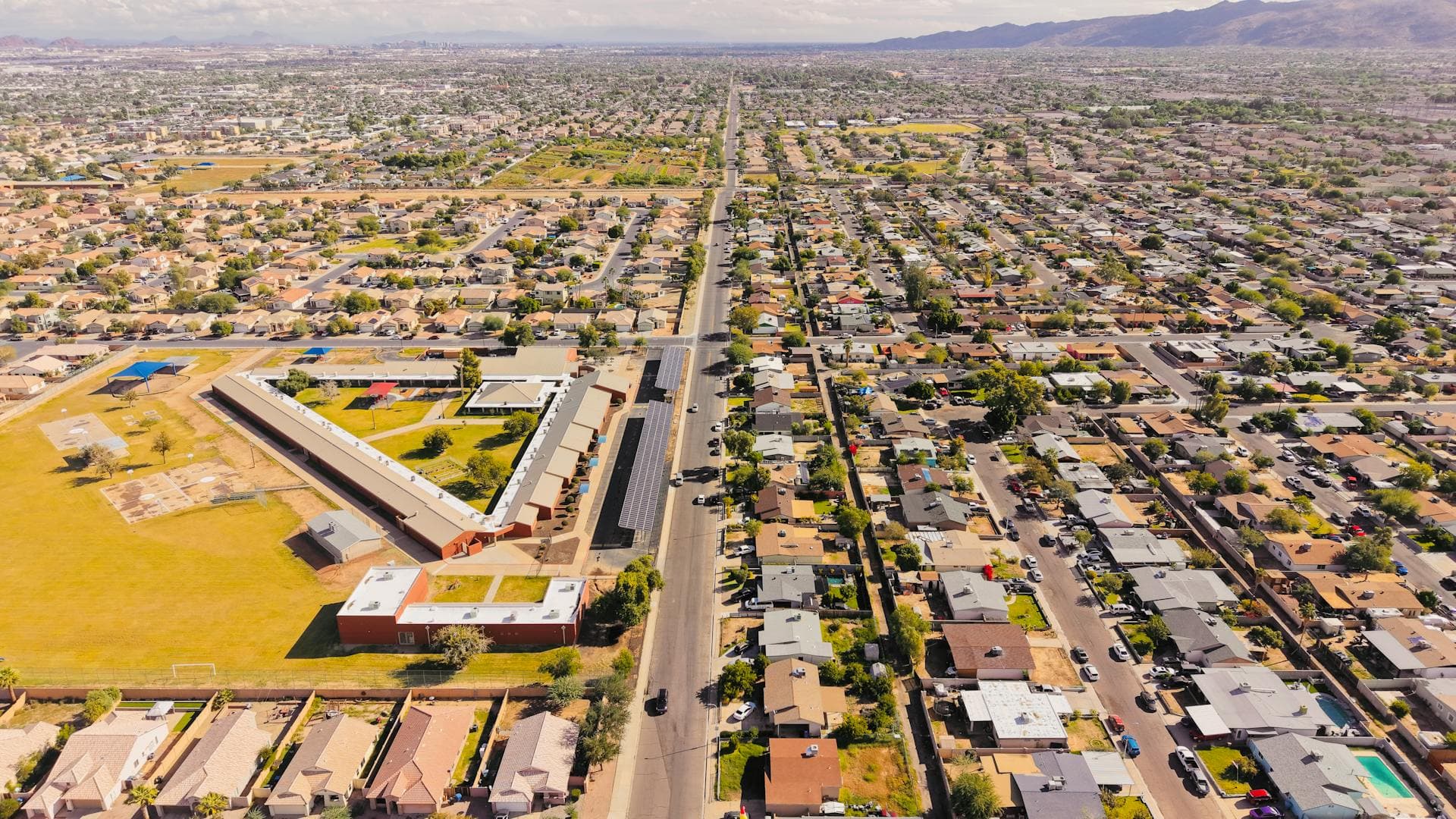
Eastmark
Aerial view of Arizona residential neighborhood with mountains in background
Photo by Chris The Island on Pexels
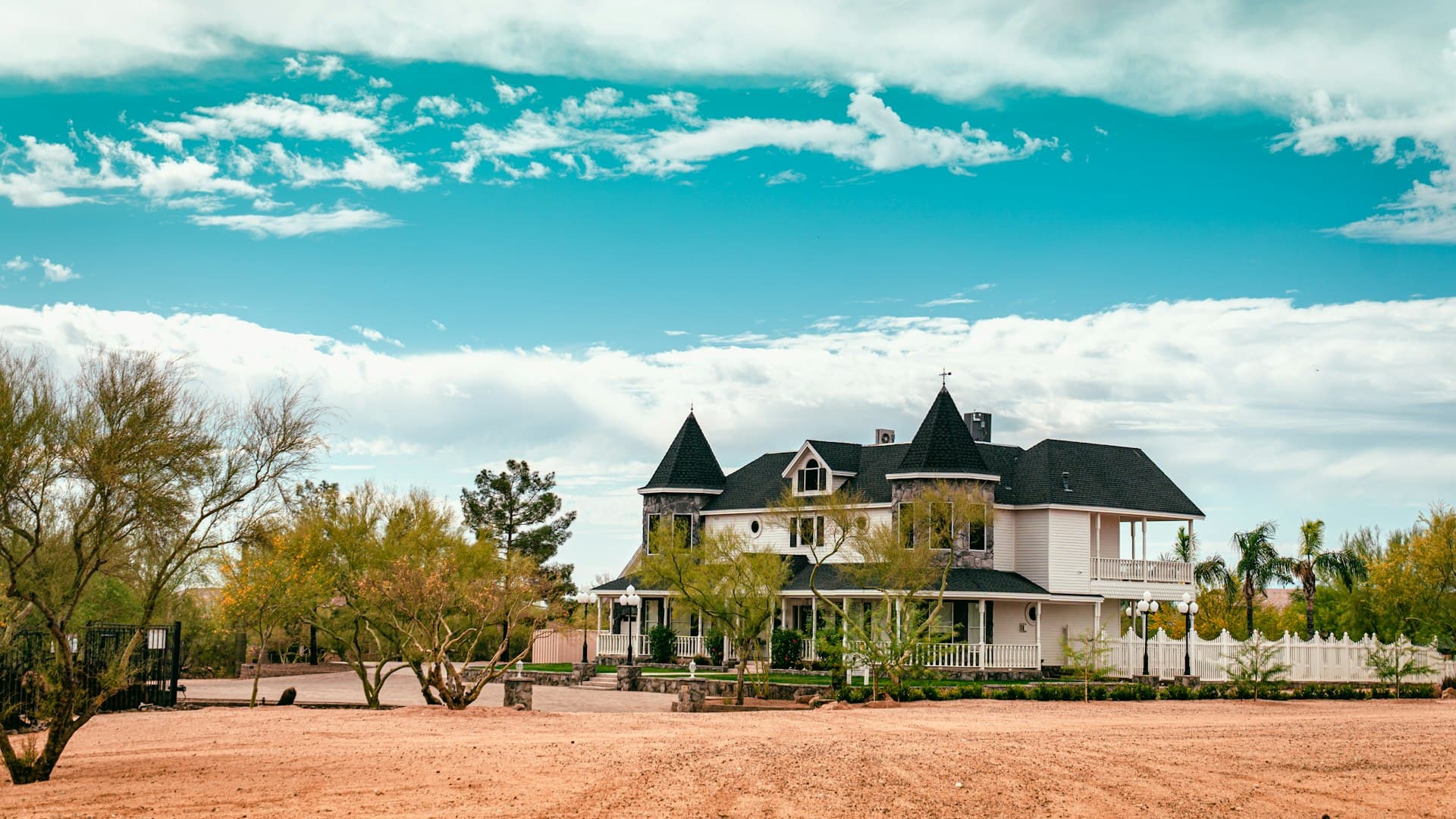
Residential Area
Victorian-style home in Phoenix Arizona desert landscape
Photo by iStrfry Marcus on Unsplash
Local Climate
Monsoon lightning strike over desert landscape
Photo by Lucy Chian on Unsplash
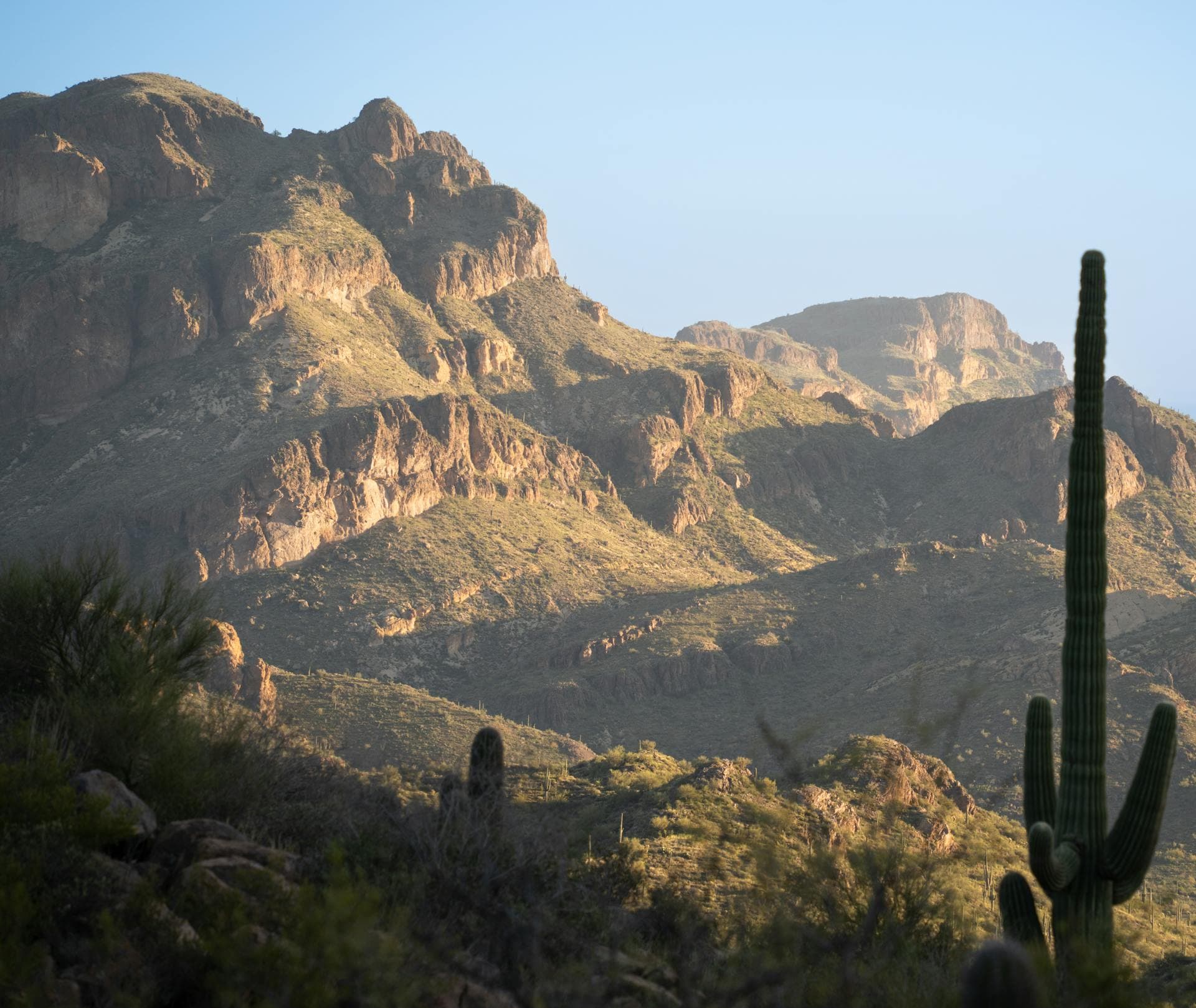
Local Landmark
Superstition Mountains with saguaro cactus in Arizona
Photo by Alex Moliski on Pexels
Frequently Asked Questions
Common questions about emergency HVAC repair in Mesa, Arizona
Still have questions? Call our 24/7 emergency line.
Call (855) 321-3346More Cities in Arizona
Emergency HVAC repair in nearby AZ cities
Need Emergency HVAC Repair?
Call now for 24/7 emergency AC and heating repair in Mesa, Arizona. Licensed, insured professionals available around the clock.
(855) 321-3346 — Emergency Service