Emergency HVAC Repair in San DiegoCalifornia
24/7 emergency AC and heating repair from certified local technicians in San Diego, California.
Assess Your HVAC Emergency
Identify the severity of your issue and take the right action
Monitor & Schedule
- Weak or uneven airflow
- Unusual noises (buzzing, rattling)
- Thermostat not responding correctly
- Slight temperature inconsistency
Call Today
- No cooling or heating output
- System short-cycling repeatedly
- Strange smells from vents
- Water leaking from unit
Call Now — Emergency
- Gas smell near furnace
- Electrical burning smell
- Complete system failure
- Carbon monoxide alarm triggered
Why HVAC Emergencies Happen in San Diego
San Diego's climate puts extreme stress on HVAC systems. Understanding local conditions helps you prevent failures.

Photo by MontyLov on Unsplash
Coastal salt air causes accelerated corrosion on outdoor HVAC units
Marine layer creates humidity fluctuations requiring proper system sizing
Inland areas (Escondido, Ramona, Alpine) experience significantly hotter summers
Best Months
Avoid if Possible
- SDG&E offers rebates for high-efficiency heat pump installations
- Federal tax credits available for ENERGY STAR certified equipment
- Title 24 requires programmable/smart thermostats for new installations
- Heat pumps provide 200-300% efficiency compared to resistance heating
- Proper system sizing prevents short-cycling and energy waste
The coastal marine layer that blankets neighborhoods like La Jolla, Pacific Beach, Ocean Beach, and Coronado creates humidity fluctuations that require properly sized equipment. More critically, the salt-laden air accelerates corrosion on outdoor HVAC components. Condenser coils, metal fins, and cabinet housings are particularly vulnerable, and without protective coastal coatings, systems can fail years before their expected lifespan. Homes within two to three miles of the ocean should strongly consider anti-corrosion protection during any HVAC installation.
Inland communities experience dramatically different conditions. Areas like Escondido, Poway, Ramona, and Alpine regularly see summer temperatures 10 to 20 degrees higher than coastal neighborhoods, with occasional spikes above 100 degrees during Santa Ana wind events. These inland microclimates require more robust cooling capacity, and the wider temperature swings between day and night create different demands on HVAC equipment.
San Diego's mild winters mean minimal heating is needed for most of the year. This creates a common problem: oversized furnaces that short-cycle, wasting energy and wearing out prematurely. Heat pumps have emerged as the ideal solution for the region, providing efficient cooling during warm months while easily handling the modest heating requirements of San Diego winters. The technology transfers heat rather than generating it, achieving two to three times the efficiency of traditional systems in our temperate climate.
How San Diego's Climate Affects Materials
Heat Pumps
Excellent choice - 2-3x more efficient than standard AC, handles both mild heating and cooling needs
Central A C + Gas Furnace
Often oversized for San Diego's mild climate, leading to energy waste
Ductless Mini Splits
Ideal for zone control and older homes without ductwork; perfect for coastal areas with proper coating
Standard Condensers
Require coastal coating protection within 2-3 miles of ocean to prevent salt corrosion
Your Home Temperature Risk
When your HVAC fails in San Diego, indoor temperatures can reach dangerous levels
In San Diego's heat, a broken AC can push indoor temperatures past 100°F within hours. Heat stroke risk increases significantly — especially for children and elderly residents.
(855) 321-3346 — Get Emergency HelpEmergency HVAC situations require quick assessment and action. Understanding when you need immediate 24/7 service versus when you can wait for a scheduled appointment saves money while ensuring your family's comfort. Many San Diego HVAC companies offer round-the-clock emergency response, with technicians available to diagnose and often repair problems the same day.
Knowing the warning signs that precede system failure helps prevent true emergencies. But when your AC stops cooling in the middle of a heat wave or your heater won't start on a cold morning, you need reliable professionals who can respond fast.
San Diego offers several contractors with proven 24/7 emergency response capabilities. Action Air Conditioning & Heating, with over 25 years of experience, provides around-the-clock emergency AC repair across San Diego and surrounding areas. One Hour Heating & Air Conditioning offers their on-time guarantee even for emergency calls. Their dedicated emergency crews handle urgent situations throughout the region.
While waiting for emergency service, take steps to prevent additional damage. If you notice water leaking, turn off the system and place towels or containers to catch drips. For suspected electrical issues, shut off power to the unit at your breaker panel. Keep doors and windows closed to maintain whatever temperature you have, and move to the coolest room in your home if AC has failed during summer.
For coastal emergencies, salt air corrosion is often the culprit behind sudden failures. Corroded electrical connections, degraded coils, and rusted components can fail without warning. If your coastal home's system fails, mention the proximity to the ocean when calling for service, as technicians may need to bring specific parts or coatings.
Emergency service typically involves premium scheduling to prioritize urgent calls. However, when your family's comfort is at stake during extreme weather, rapid response provides peace of mind and quick resolution.
HVAC Systems We Repair in San Diego
Heat pumps have become the standout choice for San Diego homeowners. Unlike furnaces that burn fuel to generate heat, heat pumps transfer warmth from one location to another, making them remarkably efficient in mild climates. In San Diego's moderate temperatures, heat pumps operate at peak efficiency nearly year-round, providing both cooling and heating from a single system. According to ENERGY STAR, heat pumps can reduce energy consumption significantly compared to traditional heating methods, and in mild climates like San Diego's, homeowners can expect substantial reductions in their energy bills while maintaining consistent comfort throughout the year.
Ductless mini-split systems represent another excellent option, particularly for the many older San Diego homes built without existing ductwork. ENERGY STAR certified mini-splits use up to 60 percent less energy than standard electric heating systems, and modern units achieve efficiency ratings up to 28.5 SEER2 for cooling. These systems eliminate the energy losses associated with duct leaks, which can account for up to 30 percent of cooling energy in older homes. Mini-splits excel in providing room-by-room temperature control, ideal for households where family members have different comfort preferences or for homes with additions that existing ductwork does not reach.
Traditional central air conditioning paired with gas furnaces remains common but is increasingly viewed as oversized for San Diego's needs. The furnace component, designed for cold climates, rarely operates efficiently during San Diego's mild winters, leading to short-cycling and premature wear. For homes with existing ductwork, converting to a heat pump system often makes more sense than replacing a furnace that will barely be used.
For coastal properties, any outdoor unit requires special consideration. Factory-applied or aftermarket coastal coatings can extend system life by several years by protecting against salt air corrosion. Brands like Mitsubishi, Daikin, and Carrier offer models specifically designed for coastal performance, and contractors like Carini Home Services specialize in proper unit placement and protection for beach-adjacent homes.
HVAC Repair Requirements in San Diego
For straightforward like-for-like replacements in single-family homes, the Simple Permit process allows faster approval, often within one to five business days, without requiring full plan review. This streamlined approach applies when replacing existing equipment with similar capacity and configuration. More complex installations involving system changes, ductwork modifications, or structural alterations require standard permit review with plan submission.
California's Title 24 compliance adds important requirements to HVAC installations. HERS (Home Energy Rating System) testing is mandatory when more than 40 feet of new ductwork is installed in unconditioned spaces, verifying that the system meets state energy efficiency standards. Smart or programmable thermostats are also required for new installations under Title 24 regulations. Equipment weighing over 400 pounds or requiring structural support alterations triggers additional engineering review requirements.
All HVAC contractors performing permitted work in California must hold a valid Contractors State License Board (CSLB) C-20 classification license, which specifically covers warm-air heating, ventilating, and air-conditioning work. The C-20 license authorizes contractors to fabricate, install, maintain, service, and repair complete HVAC systems including ducts, registers, humidity controls, and thermostats. Homeowners can verify any contractor's license status online at the CSLB website. Your HVAC contractor should handle all permit applications and coordinate required inspections, including the final HERS verification if applicable.
Choosing a HVAC emergency technician in San Diego
Top-rated local contractors include One Hour Heating & Air Conditioning, known for their on-time guarantee and 24/7 emergency services; Airmaxx Heating & Air Conditioning, specialists in ductless mini-splits with transparent pricing; Heat Busters Inc., with over 20 years of experience focusing on heat pumps; Carini Home Services, experts in coastal HVAC protection; and Allegiance Heating & Air Conditioning, highly rated for mini-split installations across the county.
Request detailed written estimates from at least three contractors, ensuring quotes include equipment specifications, SEER ratings, labor details, permit handling, and any Title 24 compliance testing. Be wary of quotes significantly lower than competitors without clear explanations. Verify that your contractor will handle all permitting and inspections, and ask about manufacturer certifications such as Mitsubishi Diamond Contractor status, which often provides extended warranty coverage.
Local Insights
Inland communities face an entirely different reality. Escondido, Poway, Ramona, and Alpine regularly experience summer temperatures 15 to 20 degrees hotter than their coastal counterparts, with Santa Ana wind events pushing thermometers well past 100 degrees. These neighborhoods demand more robust cooling capacity, and many homeowners maintain backup furnace capability for the occasional cold winter night. The larger lot sizes and sprawling ranch-style homes typical of these inland areas often require multi-zone systems to maintain consistent comfort throughout the house.
Central urban neighborhoods including Downtown, Hillcrest, and North Park present their own unique challenges. Many homes in these historic districts were built in the early 1900s without any ductwork, and strict historic preservation guidelines may limit exterior modifications. Mini-split systems have become the go-to solution, allowing homeowners to add modern climate control without invasive duct installation. Condo residents throughout these areas frequently encounter HOA restrictions governing outdoor unit placement, requiring creative solutions and contractors experienced in navigating community association requirements.
Don't wait when you notice warning signs. Unusual noises, weak airflow, strange odors, or systems that short-cycle frequently often precede complete failures. Scheduling prompt repairs during business hours prevents the stress of system failure during extreme weather. Your family's comfort shouldn't wait, and neither should your call to a qualified HVAC professional.
Verified HVAC technicians
Certified emergency technicians serving San Diego, California. Available 24/7 for AC and heating emergencies.
Airmaxx Heating & Air Conditioning
Specializes in ductless mini-split systems and provides transparent pricing
Heat Busters Inc.
4.9 · 275 reviews
Allegiance Heating & Air Conditioning
4.9 · 399 reviews
One Hour Heating & Air Conditioning
4.8 · 450 reviews
Carini Home Services
4.8 · 520 reviews
Atlas HVAC Inc.
4.8 · 210 reviews
+ 2 more HVAC technicians
More HVAC technicians in San Diego
Blue Diamond Heating & Air
BBB accredited, handles all permitting and Title 24 compliance
Action Air Conditioning & Heating
Offers 24-hour emergency AC repair services
Ready to Get Started?
Connect with a licensed HVAC emergency technician in San Diego — available 24/7 for emergencies.
(855) 321-3346 — Emergency ServiceQuick Troubleshooting Guide
Try these steps before calling. If they don't work, we're here 24/7.
Check your thermostat settings
Make sure it's set to the correct mode (heat/cool) and the temperature is set correctly.
If this doesn't work ↓
Inspect your air filter
A clogged filter can restrict airflow and cause your system to overheat or freeze up.
If this doesn't work ↓
Check the circuit breaker
A tripped breaker can cut power to your HVAC system. Reset it and see if the system restarts.
If this doesn't work ↓
Check the outdoor unit
Make sure the outdoor unit is clear of debris and the fan is spinning when the system runs.
Still not working? Call a pro.
(855) 321-3346 — Emergency ServiceComplete San Diego Emergency HVAC Repair Guide
Everything you need to know about emergency hvac repair in San Diego. Expand any section for details.
Interior Signs
- Uneven temperatures between rooms
- Weak airflow from vents
- Unusual odors when system runs
- Excessive dust or poor indoor air quality
- Humidity control problems
- Rising energy bills despite normal usage
Exterior Signs
- Visible rust or corrosion on outdoor unit (especially near coast)
- Loud startup noises, grinding, or rattling
- Refrigerant leaks or ice buildup on lines
- Short cycling (frequent on/off)
- System struggles to maintain temperature
- Condenser fan not spinning properly
25% Rule: Consider replacement if your system is over 15 years old, requires repairs exceeding half the replacement value, uses R-22 refrigerant (phased out), or consistently fails to maintain comfort. For San Diego coastal homes, accelerated corrosion may warrant earlier replacement.
San Diego at a Glance
Local climate conditions and neighborhoods where HVAC emergencies are most common

Coastal
Beautiful California coastal beach at sunset
Photo by Sean O. on Unsplash

Pacific Beach
San Diego coastal cliffs and ocean waves at sunset
Photo by Neil Soni on Unsplash
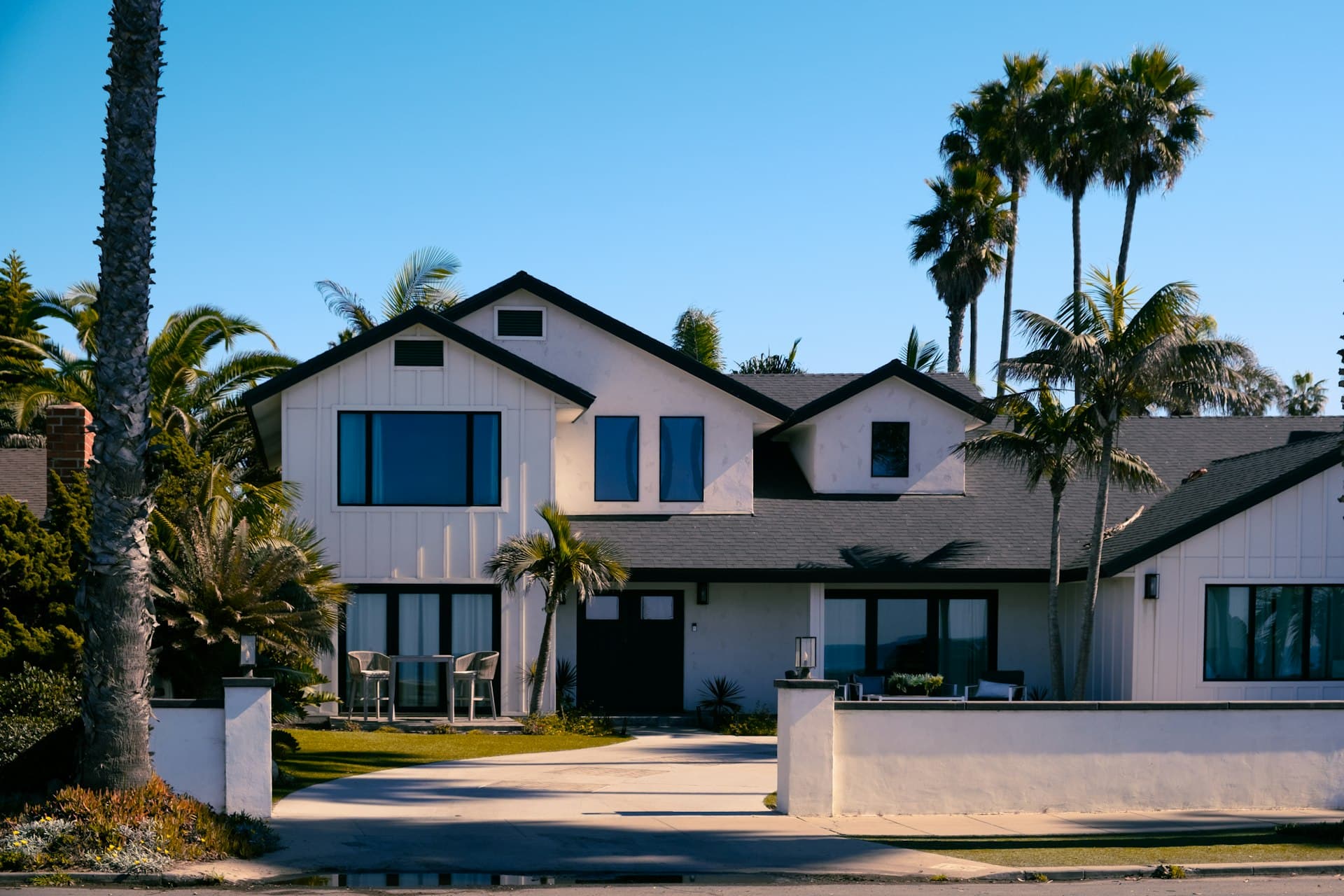
Residential Area
Beautiful white San Diego home with palm trees
Photo by Giusy Iaria on Unsplash
Local Climate
San Diego coastal waves with palm trees and cloudy sky
Photo by MontyLov on Unsplash

Local Landmark
Coronado Bridge spanning San Diego Bay
Photo by Juan Macias on Pexels
Frequently Asked Questions
Common questions about emergency HVAC repair in San Diego, California
Still have questions? Call our 24/7 emergency line.
Call (855) 321-3346More Cities in California
Emergency HVAC repair in nearby CA cities
Need Emergency HVAC Repair?
Call now for 24/7 emergency AC and heating repair in San Diego, California. Licensed, insured professionals available around the clock.
(855) 321-3346 — Emergency Service