Emergency HVAC Repair in DenverColorado
24/7 emergency AC and heating repair from certified local technicians in Denver, Colorado.
Assess Your HVAC Emergency
Identify the severity of your issue and take the right action
Monitor & Schedule
- Weak or uneven airflow
- Unusual noises (buzzing, rattling)
- Thermostat not responding correctly
- Slight temperature inconsistency
Call Today
- No cooling or heating output
- System short-cycling repeatedly
- Strange smells from vents
- Water leaking from unit
Call Now — Emergency
- Gas smell near furnace
- Electrical burning smell
- Complete system failure
- Carbon monoxide alarm triggered
Why HVAC Emergencies Happen in Denver
Denver's climate puts extreme stress on HVAC systems. Understanding local conditions helps you prevent failures.
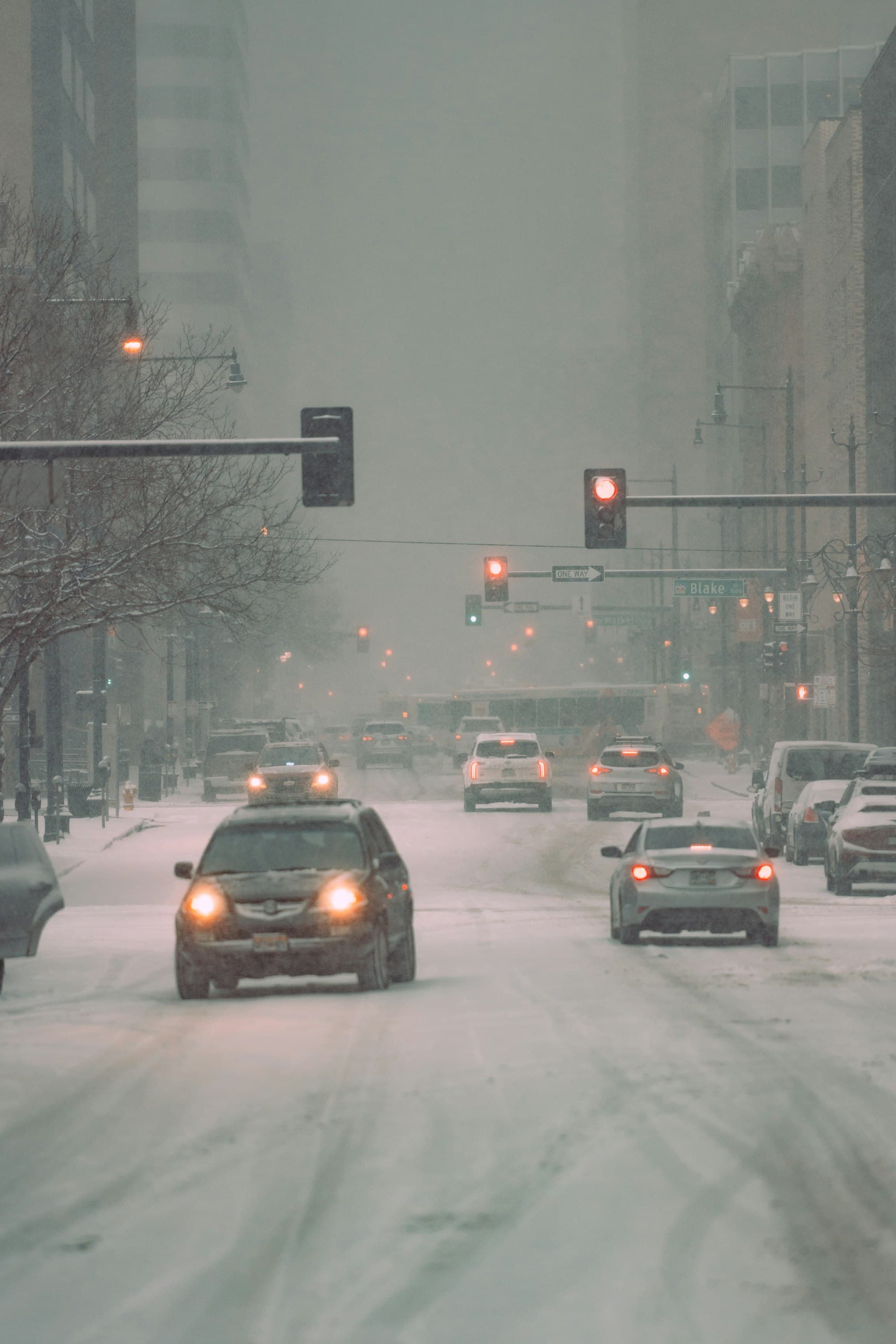
Photo by Colin Lloyd on Unsplash
High altitude (5,280 feet) reduces air density and HVAC efficiency
Cold winters with sub-zero temperatures require high-performance furnaces or cold-climate heat pumps
Large temperature swings between day and night (up to 40 degrees)
Best Months
Avoid if Possible
- High-efficiency systems can reduce monthly bills by 20%+ despite altitude challenges
- Cold-climate heat pumps achieve 200-300% efficiency vs gas
- Variable-speed motors improve efficiency for day/night temperature swings
- Proper insulation and air sealing maximize HVAC efficiency
- Solar panels popular due to 300+ sunny days; can offset heat pump electricity costs
The Denver climate itself presents additional challenges with its dramatic temperature swings. It's not uncommon for temperatures to fluctuate 30 to 40 degrees within a single day, especially during spring and fall. This puts significant stress on HVAC systems that must rapidly switch between heating and cooling modes. Winter temperatures regularly drop below zero during cold snaps, while summer afternoons can exceed 95 degrees. The heating season runs roughly from October through April, with January averaging highs around 43 degrees and lows in the teens.
Denver's legendary dry air compounds these challenges. The city receives only about 15 inches of precipitation annually, and winter humidity levels often drop to uncomfortable levels inside homes. This dry air doesn't retain heat efficiently, making homes feel colder than the thermostat indicates and forcing heating systems to run longer. Most HVAC professionals strongly recommend whole-home humidifiers for Denver residences, targeting indoor humidity between 30% and 50% for optimal comfort. The combination of altitude effects, extreme temperature variations, and low humidity makes proper HVAC system selection and sizing more critical in Denver than in most American cities.
How Denver's Climate Affects Materials
furnaces
Must be derated 4% per 1,000 feet above sea level; gas furnaces burn less efficiently at altitude due to lower oxygen
heat Pumps
Cold-climate models essential; standard heat pumps lose efficiency below freezing
air Conditioners
Reduced efficiency due to thinner air; may need larger capacity units
ductwork
Must be properly sized for increased airflow needs at altitude
Your Home Temperature Risk
When your HVAC fails in Denver, indoor temperatures can reach dangerous levels
In Denver's heat, a broken AC can push indoor temperatures past 100°F within hours. Heat stroke risk increases significantly — especially for children and elderly residents.
(855) 321-3346 — Get Emergency HelpThe dramatic temperature swings that define Denver's climate put exceptional stress on HVAC equipment. A system that ran fine during yesterday's 50-degree afternoon may struggle when tonight's temperature plunges 40 degrees. High-altitude operation compounds this stress, as equipment works harder to compensate for thinner air. These factors contribute to Denver seeing its share of unexpected HVAC failures, particularly at the worst possible moments when systems face peak demand during temperature extremes.
When emergencies do strike, several Denver HVAC companies offer around-the-clock response. True Heating & Cooling maintains an average response time of just 1.1 hours with 24/7 availability. Gustafson Heating & Air Conditioning, Dad's Heating & AC, and D & A Heating and Air all provide emergency service. Expect to pay premium rates for after-hours calls, but this investment is worthwhile when you need immediate help during extreme weather conditions.
While waiting for emergency service, take steps to protect your home. If your furnace fails in winter, open cabinet doors to allow warm air circulation around pipes, keep faucets dripping slightly, and use space heaters safely in occupied rooms. For AC failures in summer, close blinds against sun exposure, use fans to circulate air, and stay hydrated. If your system shows signs of refrigerant leaks or electrical problems, turn it off completely and avoid contact until professionals arrive.
HVAC Systems We Repair in Denver
High-efficiency gas furnaces remain the backbone of Denver home heating, with models rated at ninety-six percent AFUE or higher recommended for optimal performance at altitude. These furnaces must be properly configured with high-altitude conversion kits to account for reduced oxygen levels, ensuring safe and efficient combustion. When paired with a central air conditioner rated at fifteen SEER2 or higher, this traditional combination provides reliable year-round comfort. However, growing electrification incentives and substantial utility rebates are making heat pumps increasingly attractive for Denver homeowners seeking long-term efficiency gains.
Dual-fuel systems represent the optimal choice for many Denver homeowners seeking both efficiency and reliability. These configurations pair a cold-climate heat pump with a gas furnace backup, using the heat pump during moderate temperatures when it operates most efficiently, then switching to the furnace during extreme cold. This approach maximizes energy savings while ensuring heating capacity on the coldest days. For homes without existing ductwork, ductless mini-split systems offer an efficient alternative, providing zone-controlled heating and cooling without the expense of installing new ducts. Variable-speed equipment of any type proves particularly valuable in Denver, allowing systems to modulate output continuously rather than cycling on and off, which better handles the city's dramatic daily temperature swings while reducing overall energy consumption and improving indoor comfort.
HVAC Repair Requirements in Denver
Your licensed HVAC contractor should handle the entire permit process, including application submission and scheduling required inspections. Denver requires mechanical contractors to hold appropriate supervisor certificates, with different certification levels for residential versus commercial work. Inspections verify proper venting configurations, electrical connections, refrigerant handling procedures, and compliance with high-altitude installation requirements specific to Denver's elevation. Never hire a contractor who suggests skipping permits, as unpermitted work can create safety hazards, void manufacturer warranties, complicate future home sales, and result in code enforcement actions. Most reputable Denver HVAC companies include permit coordination in their standard service and manage all required paperwork on your behalf.
Choosing a HVAC emergency technician in Denver
Request detailed written quotes from at least three contractors that specify equipment model numbers, efficiency ratings, and whether high-altitude modifications are included. Quality contractors perform Manual J load calculations to properly size your system rather than simply matching your existing equipment's capacity. Be wary of quotes significantly below market rates or contractors who provide estimates without inspecting your home. The lowest bid often leads to undersized equipment or corners cut during installation.
Look for contractors emphasizing cold-climate heat pump expertise if you're considering that technology, as proper installation is critical for performance at Denver's altitude. Established companies like Gustafson Heating & Air Conditioning, in business since 1971, or Signature Heating & Air, operating since 1999, offer the experience needed for complex Denver installations. Verify licensing, insurance, and that the contractor will pull all required permits and schedule city inspections.
Local Insights
The southern suburbs of Highlands Ranch and Lone Tree represent the opposite end of the spectrum, with newer construction featuring spacious mechanical rooms and modern electrical infrastructure. These larger homes, many exceeding 3,000 square feet with finished basements, typically require 4 to 5 ton systems and benefit from zoned configurations that can heat or cool different levels independently. The master-planned communities in this area generally have straightforward HOA requirements for outdoor equipment placement, though homeowners should verify screening requirements before installation.
Parker and Castle Rock continue expanding with a mix of established neighborhoods and new developments, creating varied HVAC demands across the area. Growing summer temperatures have increased AC demand in communities that historically relied primarily on heating, prompting many homeowners to upgrade from swamp coolers to refrigerated air conditioning. Aurora and Centennial feature substantial housing stock from the 1960s through 2000s, where aging ductwork and original equipment often need comprehensive upgrades. These mid-century homes frequently benefit from duct sealing and insulation improvements alongside new HVAC equipment to maximize system efficiency at Denver's demanding altitude.
Verified HVAC technicians
Certified emergency technicians serving Denver, Colorado. Available 24/7 for AC and heating emergencies.
True Heating & Cooling
Forbes Home top-rated, 1.1 hour response time
Colorado Home Cooling
4.8 · 495 reviews
UniColorado Heating & Cooling
4.6 · 76 reviews
Dad's Heating & AC
4.6 · 95 reviews
Signature Heating & Air, Inc.
4.5 · 1108 reviews
Gustafson Heating & Air Conditioning Inc.
4.5 · 66 reviews
+ 2 more HVAC technicians
More HVAC technicians in Denver
D & A Heating and Air, LLC
22+ years experience, emergency service available
Supreme Home Services
Family-owned, Lone Tree-based, serves Denver Metro
Ready to Get Started?
Connect with a licensed HVAC emergency technician in Denver — available 24/7 for emergencies.
(855) 321-3346 — Emergency ServiceQuick Troubleshooting Guide
Try these steps before calling. If they don't work, we're here 24/7.
Check your thermostat settings
Make sure it's set to the correct mode (heat/cool) and the temperature is set correctly.
If this doesn't work ↓
Inspect your air filter
A clogged filter can restrict airflow and cause your system to overheat or freeze up.
If this doesn't work ↓
Check the circuit breaker
A tripped breaker can cut power to your HVAC system. Reset it and see if the system restarts.
If this doesn't work ↓
Check the outdoor unit
Make sure the outdoor unit is clear of debris and the fan is spinning when the system runs.
Still not working? Call a pro.
(855) 321-3346 — Emergency ServiceComplete Denver Emergency HVAC Repair Guide
Everything you need to know about emergency hvac repair in Denver. Expand any section for details.
Interior Signs
- Inconsistent temperatures between rooms
- Excessive dust or poor air quality despite filter changes
- Humidity problems (too dry or clammy)
- Strange odors when system runs
- Loud noises from vents or equipment
- Thermostat struggles to maintain set temperature
Exterior Signs
- Visible rust or corrosion on outdoor unit
- Ice buildup on heat pump in winter (beyond normal defrost)
- Unusual noises from outdoor unit (grinding, banging, buzzing)
- Short cycling (unit turns on and off frequently)
- Refrigerant leaks or oily residue around connections
25% Rule: Consider replacement if your system is over 12-15 years old, repair frequency has increased significantly, you've had multiple repairs in the past year, R-22 refrigerant is still used, or energy bills are steadily increasing despite maintenance.
Denver at a Glance
Local climate conditions and neighborhoods where HVAC emergencies are most common
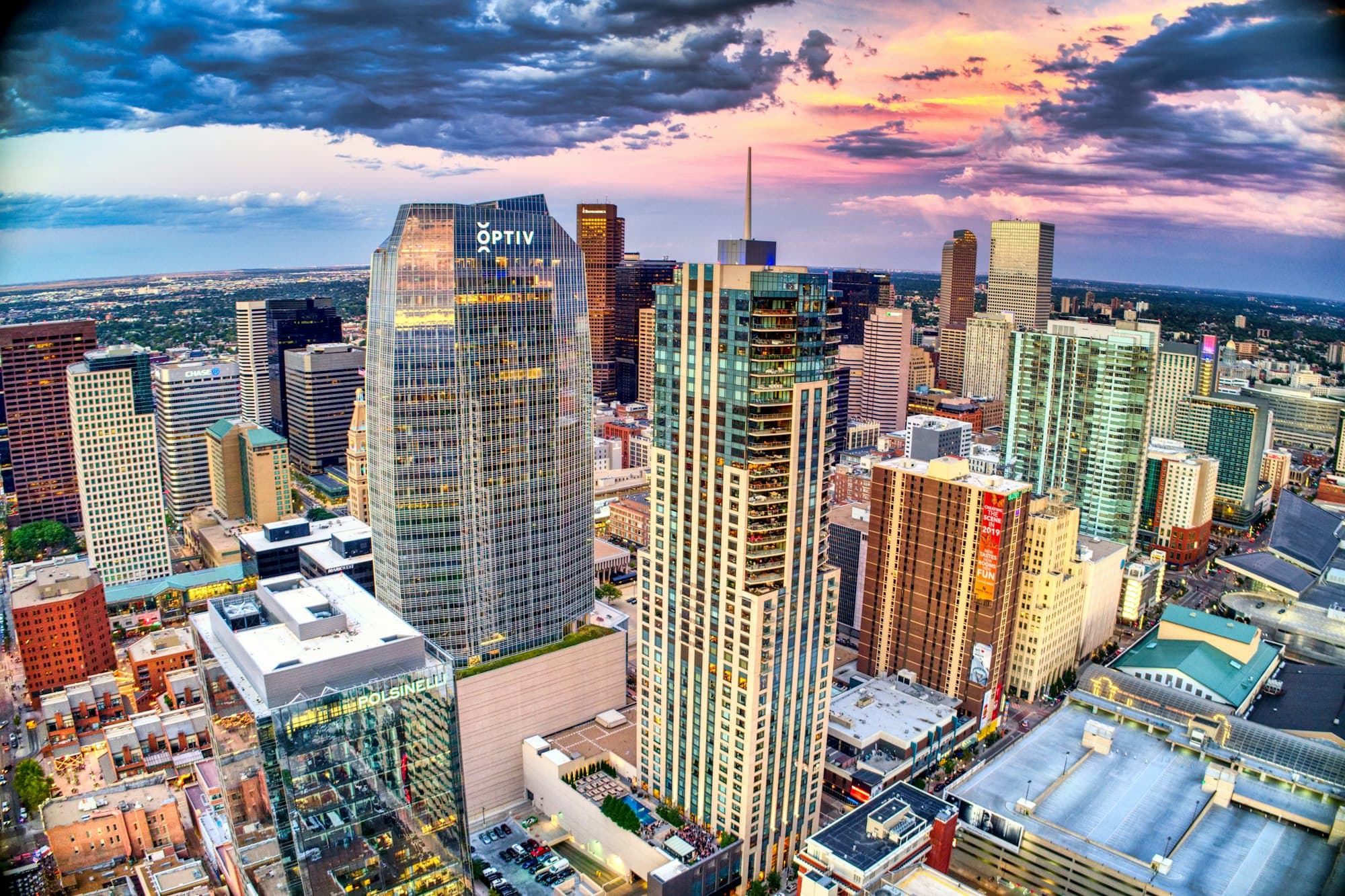
Downtown
Downtown Denver high-rise buildings during golden hour
Photo on Unsplash
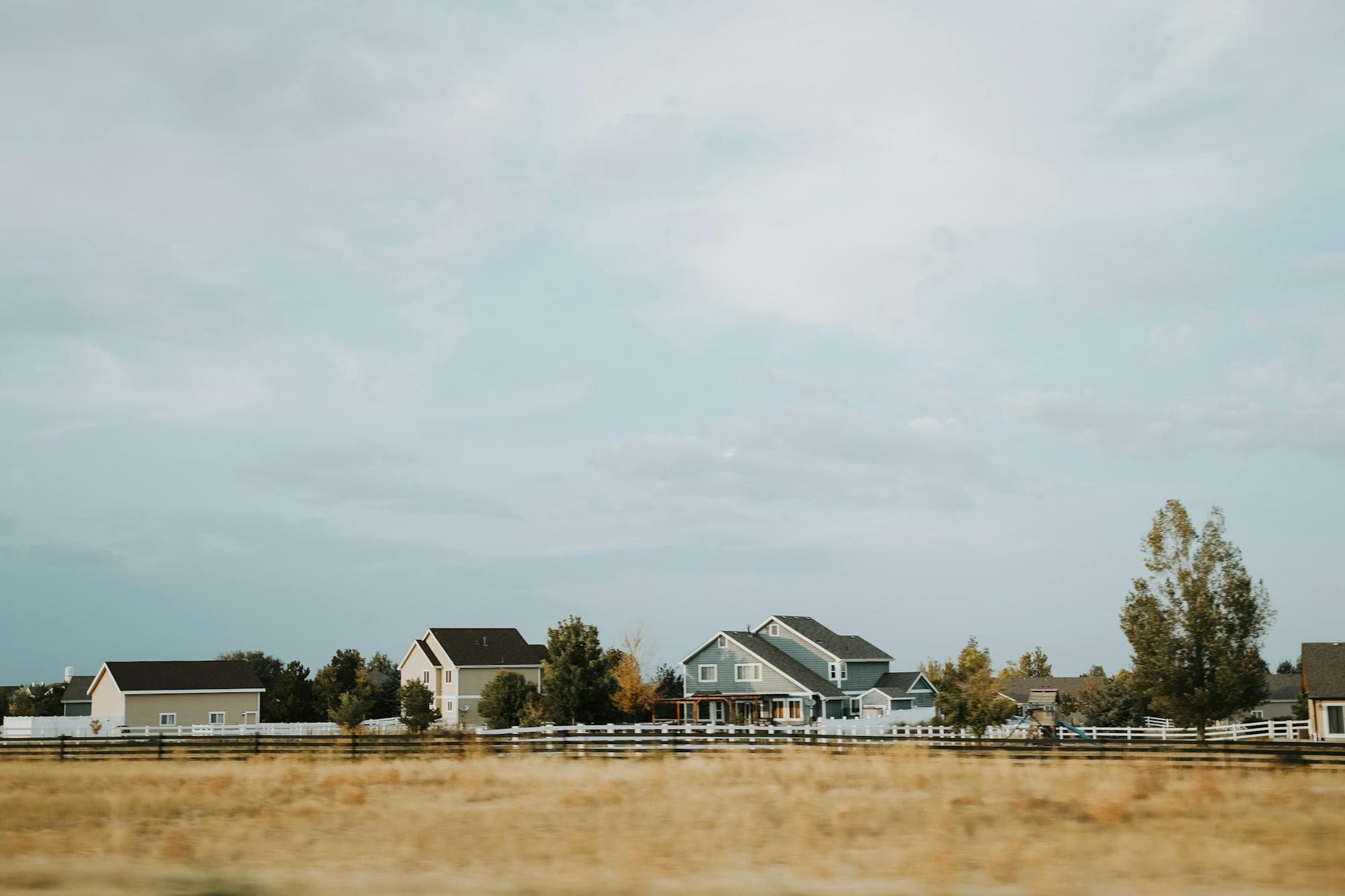
Residential Area
Suburban homes near Denver Colorado with open landscape
Photo by Lalada on Pexels
Local Climate
Denver city street during winter snowstorm
Photo by Colin Lloyd on Unsplash

Local Landmark
Red Rocks formations near Denver Colorado
Photo by Caleb Jack on Unsplash

Aerial view of Denver street intersection
Photo by Richard Melick on Unsplash
Frequently Asked Questions
Common questions about emergency HVAC repair in Denver, Colorado
Still have questions? Call our 24/7 emergency line.
Call (855) 321-3346Need Emergency HVAC Repair?
Call now for 24/7 emergency AC and heating repair in Denver, Colorado. Licensed, insured professionals available around the clock.
(855) 321-3346 — Emergency Service